Here is my guide to the Texas public hunt Draw and APH (Annual Public Hunting) system and how it works. TPWD tends to change things and how they are done so I will try to update this guide as changes come to my attention. However, it is possible that things stated herein are already outdated.
Draw Hunts
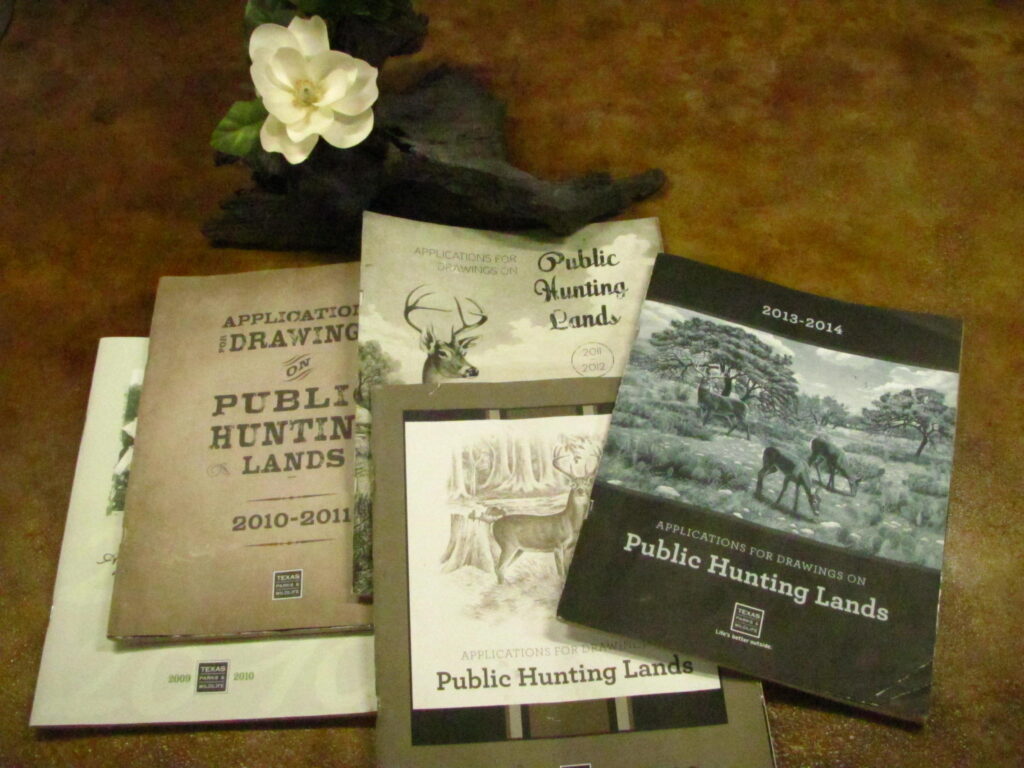
In years past, of which there have been an alarming number of, TPWD would mail out a hunt booklet to hopeful applicants. The Applications for Drawings on Public Hunting Lands booklet was the eagerly awaited means by which hunters would apply, by mail, for one hunt in each category, i.e. Gun Deer, Feral Hog, etc. These applications would be placed into a lottery and drawn at the applicable time. Winners would then be notified by mail or phone.
The days of excitement and anticipation of waiting for the hunt book to arrive are long gone. Now all drawn hunts are provided on-line, even the “post card” hunts which used to require mailing in a simple post card to each hunt area for an in-house draw. Today, all hunts are available through the on-line system only. As an added benefit a hunter can apply for as many hunts as they wish in each category. Also a hunter can check the status of their application at any time and quickly learn if they had won a hunt and pay for their permit.
Today the system is much different. As stated, everything is on line. Each year, around early to mid July, TPWD updates the draw hunt site with the new hunts for that year. To apply you only need to review the hunts offered, pick the hunt you want, add it to your cart and then pay the fee. Usually $3 per person per hunt. Some hunts are $10 PP and a few don’t cost anything.
Then you wait.
A day or two after the deadline (on the 1st or 15th of the month) for the hunt a drawing is conducted. If you were lucky enough to win a hunt you are usually notified by email. But the impatient among you, like me, can check the status of all of your applications anytime.
________________________________
So how does each area determine how many permits to give out? WMA’s (Wildlife Management Areas), State Parks, SNA’s (State Natural Areas) and even private land and Federal properties will each have done studies and taken censuses of their deer/target species populations and determined how many animals needed to be/could be taken to maintain healthy numbers.
Some areas, although public land, never allow hunting because the deer numbers are at or below optimal. Some areas are temporarily impacted by weather, fire, or other events which may close hunting for a time while the land and animal populations recover. Other areas may need to thin out their populations to help them through rough years or remove older animals. And, unfortunately, some areas don’t have public hunts because the area manager doesn’t want to be bothered by them. It takes experience and intimate knowledge of each specific area and it’s carrying capacity to decide what would be best.
Once these harvestable numbers are arrived at, formulas, tables and and a bit of magic are used to decide how many hunters could be allowed to hunt and how many animals could be taken so as to not adversely impact the property. All to arrive at one simple number. The amount of permits which will be drawn for that hunt.
But it isn’t even that simple because the style of hunting is also taken into consideration. Most hunts fall into two types. By Compartment, or By Assigned Blind. By compartment hunt areas usually have a bit of flexibility on how many hunters the area can accommodate. By assigned blind areas are pretty much limited by the number of blinds available,
By Compartment
Generally, this means that the hunter (or group of hunters) is given a specific area within the property in which to hunt. A map is provided to detail the boundaries of the area. Usually bordered by roads, fences or other easily recognizable barriers. Hunting is allowed only within these boundaries. This style of hunting is often used on larger, more primitive areas without significant people populations nearby.
Compartment hunting allows hunters to scout out likely areas and set up where and how they prefer. It also allows groups of hunters, families or buddies to hunt together.
By Assigned Blind
With this type, a hunter is assigned a “blind” from which to hunt. This can mean anything from a cattle panel wrapped in burlap, a tripod or a “pop-up” ground blind to a lovely tower blind with sliding windows and carpeted floor.
Whichever the case, it is from this spot, and usually ONLY this spot, That you may hunt. In most cases you are not allowed to leave the blind except to place bait (if allowed) or retrieve a downed animal. Sometimes not even then.
The reasons for this strict control are varied but usually have to do with safety. Sometimes hunters are very close to one another due to the size of the property. Wandering about could allow them to ruin another hunters hunt or unknowingly place them within range of another hunter. Sometimes it is because the hunt is within a populous area and only a few spots are safe to shoot from without putting other people in danger from stray or misdirected projectiles. By setting the area, and even direction, in which shots are taken, safety can be better maintained. And sometimes it is because the hunt manager just wants it that way.
In some cases hunters may actually be taken to and from their assigned blinds by department personnel. This helps to ensure everyone is where they should be and gives a better idea of who is actually out hunting. In the unfortunate event someone is injured or has an emergency their exact whereabouts are known and help can arrive quicker. It is also wonderful when you have an animal down because extra help loading it is available.
Hunt Manager
This is the person who has ultimate say over how the hunt is conducted, what type and number of species may be taken, the type of weapon which may be used and even what times your are allowed to hunt. The Hunt Manager has the ability to modify your permit on the spot. In other words, the Hunt Manager can change how many animals you are allowed to take or add animals they want removed. It is quite possible during orientation you learn that an extra deer may be allowed or some other species not listed on your permit are now legal game. You could easily be there for a deer hunt but find out you could also take an exotic or predator if the opportunity presents. It is also possible to learn that some unforeseen circumstance has suddenly affected the area and your two deer limit just got cut to one. The Hunt Manager has the final say regardless of what your permit states.
Orientation
This is when all the rules and regulations affecting your hunt are laid out. Sometimes this is an informal gathering stating the rules before cutting you loose and other times everyone files into a building for a lengthy PowerPoint presentation. Remember, just because your permit states that such and such animals may be taken, the Hunt Manager has the ultimate say and things can change. Pay attention. It has been my experience that hunters who find themselves in trouble during their hunt could have avoided it if they had only LISTENED during orientation.
Picking where to hunt.
It is not un-common, once every one is checked in, for hunters to do a secondary draw on site to pick their hunt locations. Sometimes you randomly draw for blinds or compartments. Other times the hunt coordinators assign the blinds or compartments to you. Since each hunt area seems to do things differently I won’t go into it too much. The most important thing I have found is what you do after your blind or compartment is assigned.
If possible approach the hunt coordinator/s and ask them about your specific spot. Remember. They know their areas. It is what they do. If they have put on many hunts they also know what other hunters have seen in or taken from your area in the past. Pick their brains. Ask questions. This will help you make decisions on which areas to set up in or watch closely while you hunt.
Standby Positions
On the day of the hunt some areas may still have room for even more hunters. These extra spots can become standby positions if the Hunt Manager allows. Standby positions can come about in many way. After all of the drawn hunters are notified some may choose not to hunt or they don’t pay for their permits in time. Sometimes life happens and hunters can’t hunt after all. Sometimes the area sets aside spots for standby positions. And sometimes things can be re-arranged to allow for more hunters.
However it happens, standby positions are a way to hunt an area you were not drawn for. Most areas publish whether they will allow standbys. Calling ahead is a great way to know if any are available. Otherwise you may make a long trip for nothing. In general you have to show up the first day of the hunt, usually around 10 am. and fill out a standby card. Then, after all of the drawn hunters are checked in, the hunt coordinators will know how many spots are still open. If there are less standby applicants than spots everybody gets to hunt! If there are more applicants than room then a quick on-site drawing is held. If you are one of the lucky ones, you get to hunt! You will still have to pay the permit fee like everyone else. Again, check the website or call the area ahead of time to see how this permit is paid. Some areas will not accept cash.
__________________________
Annual Public Hunting
This is different from the public hunt draw system detailed above, although some properties may participate in both types. Texas public hunting lands are open to each person who purchases an Annual Public Hunt Permit (currently $48). Once you have purchased this permit over a million acres of public land are open to you.
But you don’t just get to run out and start hunting. You are gonna need to know where all of these glorious places to hunt are. You are going to need… a treasure map!
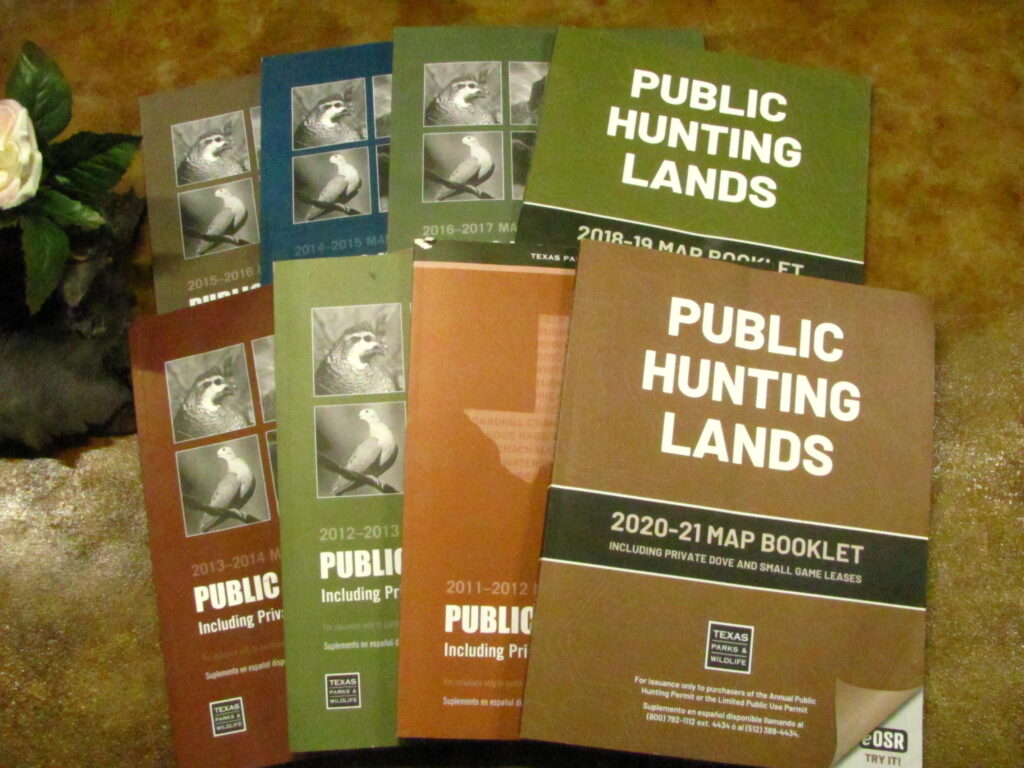
The most important tool for this purpose is the Public Hunting Lands map booklet. Sometimes you are given this when you purchase your permit. More often than not it will be mailed to you. But don’t despair. You can find everything you need to know on-line.
Looking over the hundreds of properties available and trying to pick one can be a bit overwhelming at first. But TPWD had made it easy. By using the tables and indexes in the booklet, or the search feature on-line, you can quickly narrow down your choices by type of game and area. If you know what you want to hunt and about where you want to hunt it then picking the right property is fairly straightforward.
But not so fast…
Each hunt area has its own specific rules. Deer or pigs may be allowed but only with a shotgun or with archery equipment. Baiting may or may not be allowed. Once you have narrowed down your area be sure to check out the details specific to that property.
Sign In
Most APH properties do not have on site staff. To help keep track of who is using the area, on site registration (OSR) may be required. Sometimes this is in the form of a slip of paper, available on site or in the back of the map booklet, deposited into a box. Some areas allow sign in by electronic means (eOSR). Once again the map booklet will state whether registration is necessary or not and in what form. Either way make sure you register. Otherwise, APH or not, you are there in violation.
E-Postcard hunts
These hunts bridge the gap between both drawn hunts and and annual public hunting. They are “drawn hunts” in that hunters utilize the on-line site to apply and the drawing is done through that system. But, unlike most draw hunts, they don’t charge a fee if you “win” a permit. You do, however, have to possess an Annual public Hunting Permit to apply.
_________________________
I hope this overview helps you feel a bit more confident in using the Texas Public Hunting system.
Check out this link to read about our adventures in the Texas Public Hunt System.

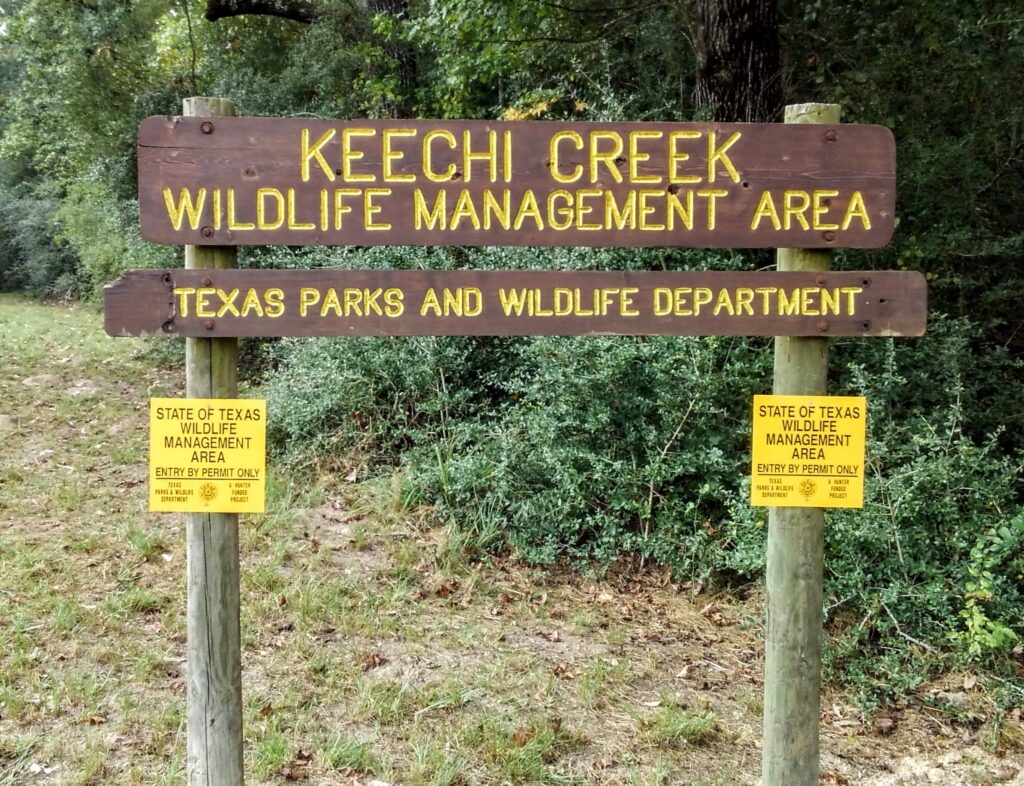
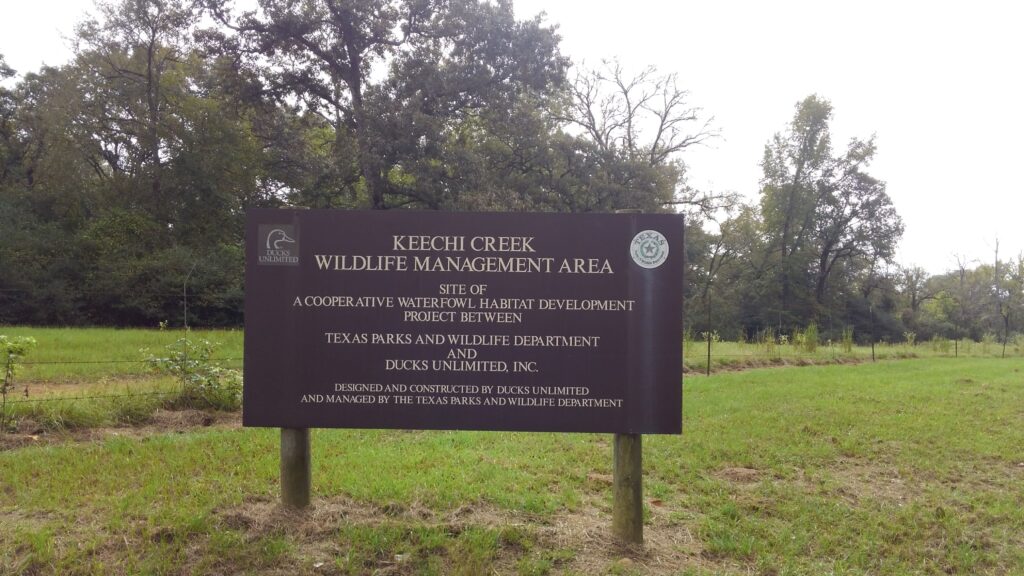
Of all of the Texas Public Hunt systems Wildlife Management areas, Keechi Creek WMA holds a special place in our hearts. It was at Keechi Creek, about 25 years ago, that Steve and I started our public hunting adventures.
Without any property to hunt of our own I looked for public hunts to scratch my bow hunting itch. Neither of us had ever gone on a Texas public hunt but were willing to give it a try. After many hours of research I decided that we should try to go standby at Fort Boggy for their bow hunt. So we spent days packing and then headed North to put our name in the hat, or bucket, for any available spots.
Unfortunately, when we arrived at Fort Boggy we were disappointed to hear that they had no open positions. But, here is where everything changed. The hunt co-coordinator told us about Keechi Creek WMA, gave us directions, and said that they usually had openings. With time running out we followed the winding back woods roads and found ourselves at the check station just in time for the draw. Several compartments were available and we were in!
That hunt was a blast and both of us had opportunities at deer. Steve even stalked up on some does but couldn’t get a shot. For the next several years we hunted Keechi and usually had opportunities. Steve shot his very first pig there.
But times, managers and management styles changed and we didn’t go back. One of our last hunts there, a waterfowl hunt, actually ended on a very sour note when the hunt coordinator threatened to call the sheriff on us for trespassing because we were almost late (11:48) getting out of our compartment. Never mind that we had to fix the gate that had broken hinges and wouldn’t close properly. Leaving it open wasn’t an option because it kept cattle out of the area. And the permit said our shooting time was until noon. He was in a hurry to get home, obviously hated conducting the hunts, and irritated that he had to work out in the middle of nowhere and we were slowing him down.
As someone who loves rules and regulations and could read perfectly well that we were allowed to hunt until noon I took his anger personally. During orientation he never once stated that we needed to be off of the WMA by noon or we would have started back even sooner. I know that what the hunt manager says supersedes anything published but he never once told us to be GONE by noon. When he started in on us and said he was about to call the sheriff and have us cited we were not happy. I think we hunted there a couple more times but that incident really stuck in my craw. So we just quit going.
Until now.
This year (2020) we were drawn for the E-postcard archery only deer hunt. Since we had not been drawn for any other hunts this would be our only guaranteed opportunity this year. It was with mixed feelings that we one again headed to the thick, post oak savannah, of north east Texas.
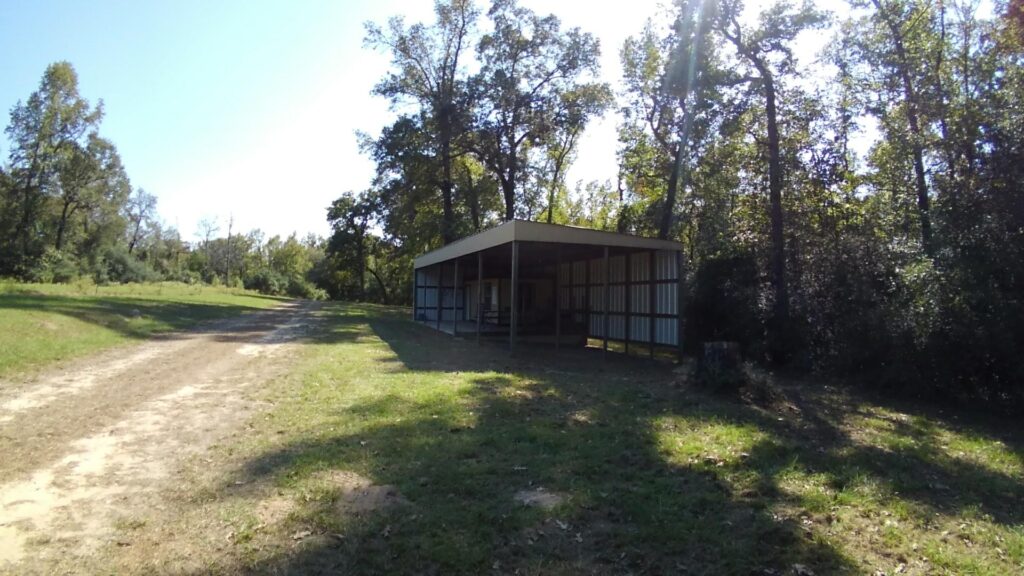
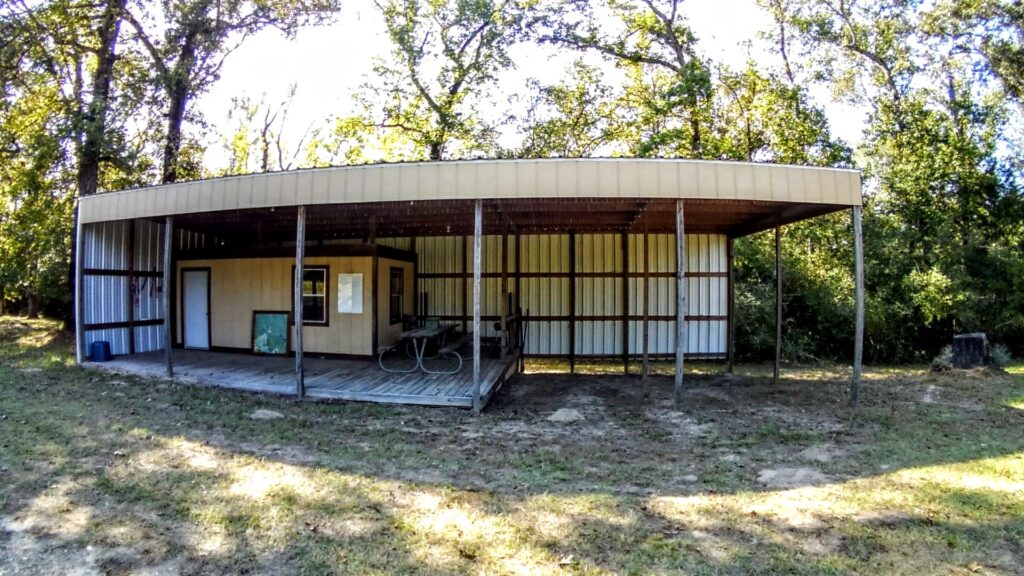
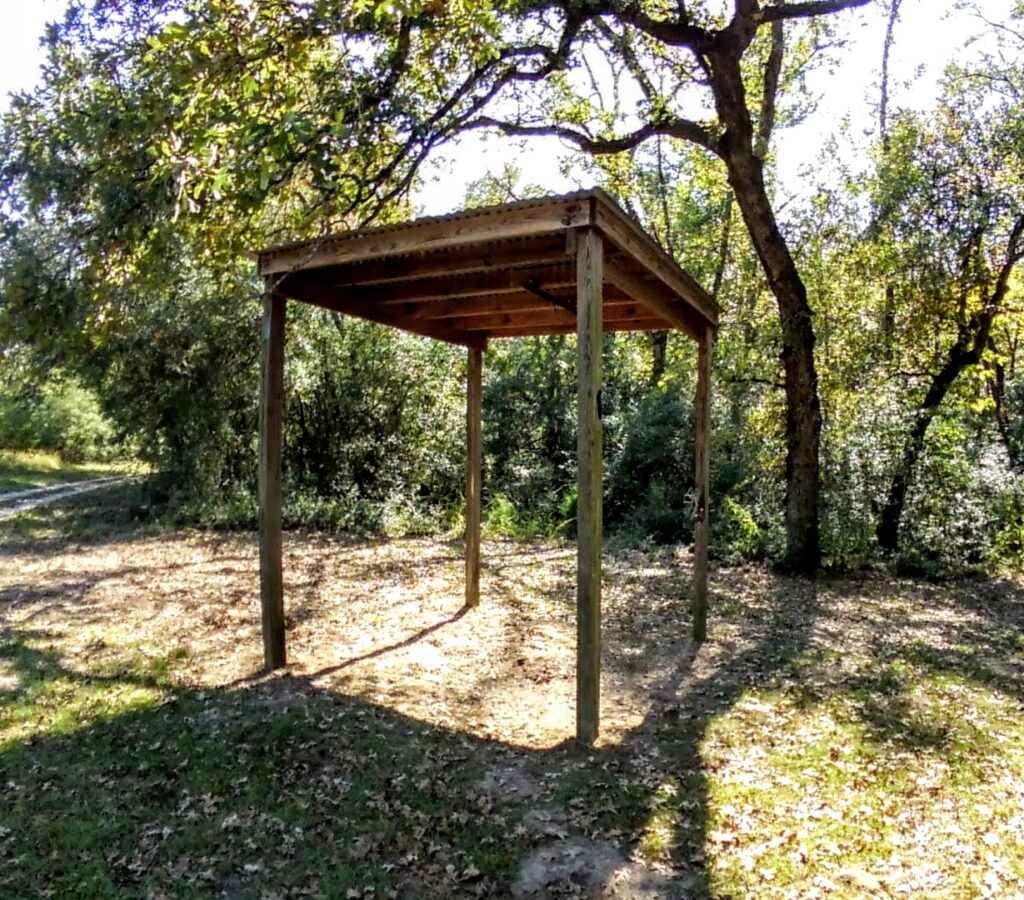
There were some changes from the Keechi Creek of our past but, in truth, it was much the same. The check station was now much larger. There was a simple cleaning station and the primitive camping area was a bit larger.
Check Station
Cleaning station
Primitive camping.
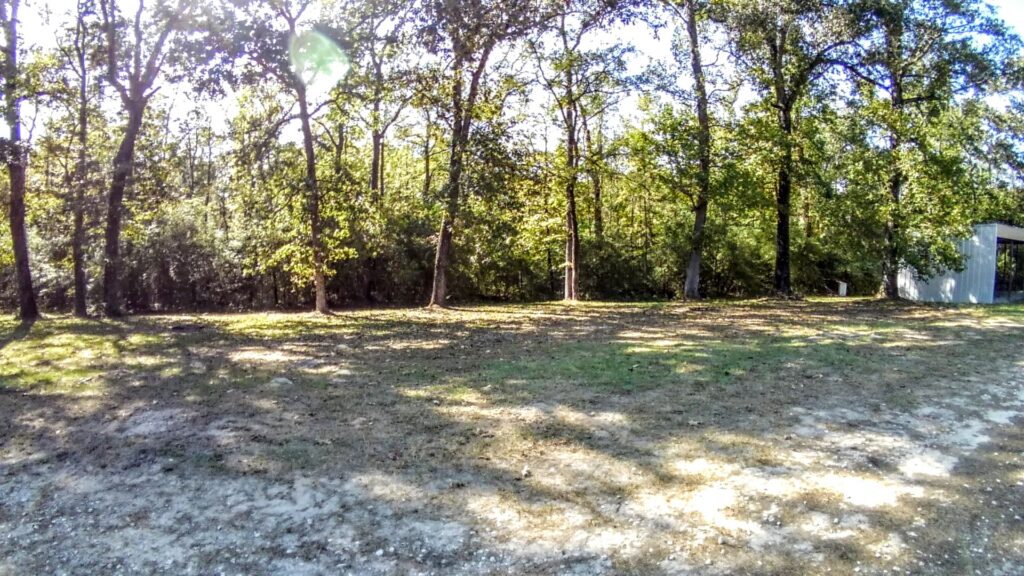
A note about the camping area. This is truly a primitive camp. There is no electricity, no water and no restroom. Some simple fire rings are available and that is about it. It you like “roughing it” then this is absolute paradise. There are even hoards of mosquitoes to sing you to sleep. Several hunters chose to camp during our hunt and they seemed to enjoy it. We chose to do our camping at the Days Inn in Centerville.
Another change from our previous time was that you log in your own deer. Detailed instructions were given during check in about this process. It seemed pretty straight forward.
In addition, instead of assigning compartments, every hunter had free reign of the entire area. Most of us communicated where we would likely be so there were no conflicts. I did hear of one hunter setting up near another (in the dark) but no one was mad and everything worked out.
While scouting Steve even found the very first tree he had ever bow hunted out of. He was happy to see it still standing. It is a bit larger now and a little old and worn but aren’t we all? That large oak right there in the middle.
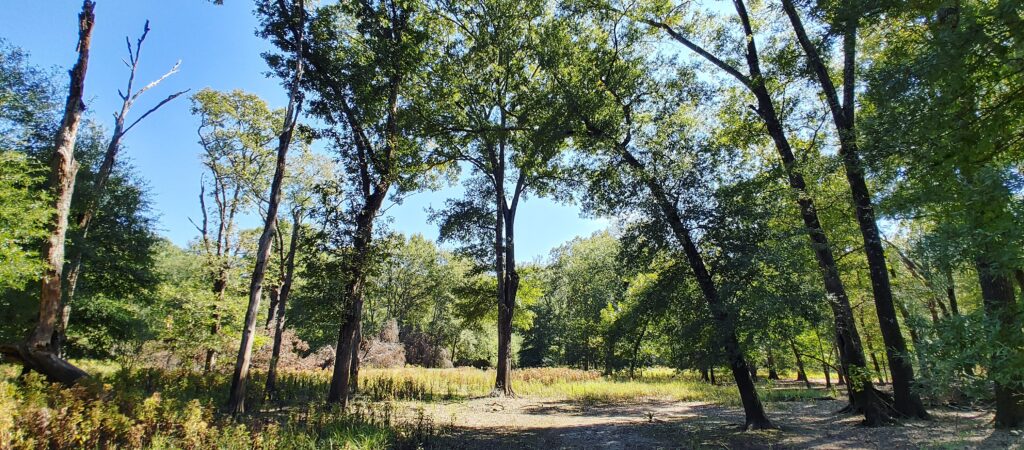
During our hunt we saw a few deer. Most seemed in poor shape for some reason. We set out several game cameras and caught many thin and skinny deer on camera. Even the pigs seemed starved. Perhaps this was due to the floods? Either way we didn’t really want to shoot them because there was no meat on them.
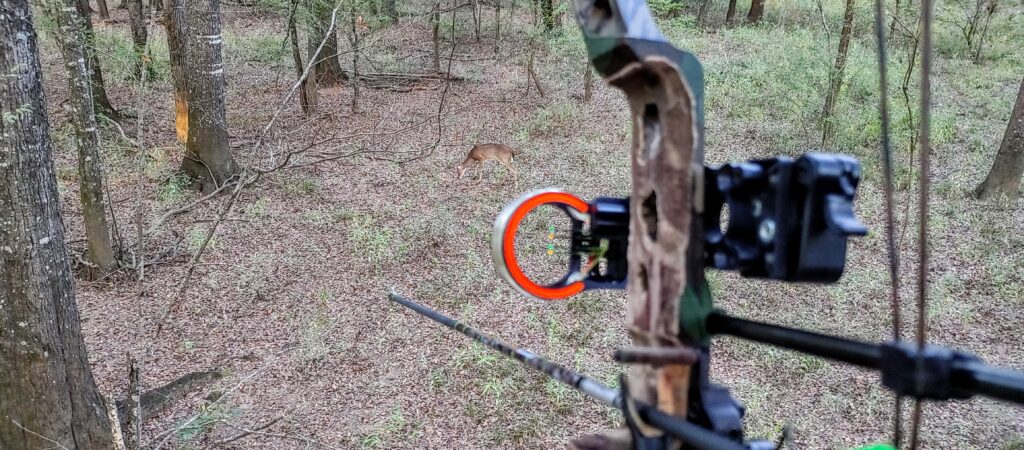
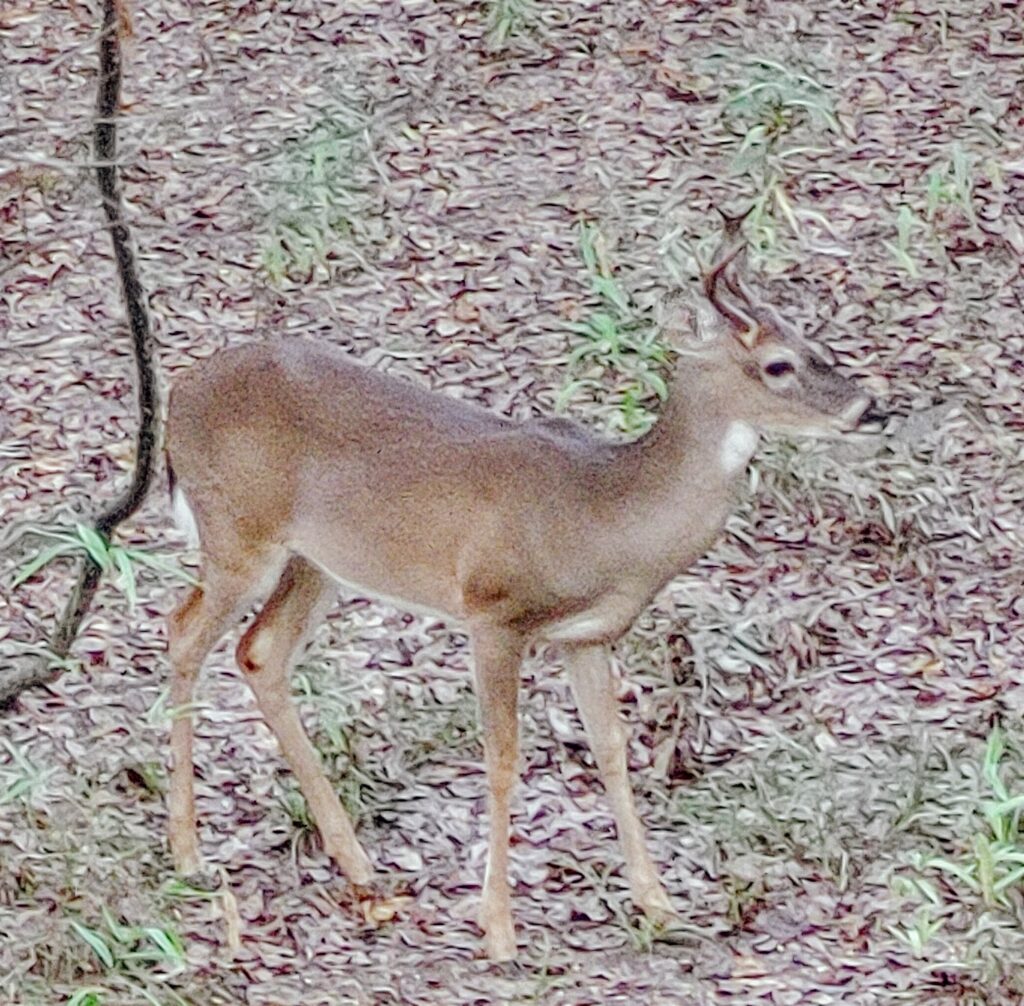
As seems to be the case the only deer we had come in during shooting hours was illegal. It was also in the best shape. This young fork horn is one lucky deer.
In truth, we didn’t even have many deer show up even at night and the ones that did were pretty skinny. Including the pig. We heard from another hunter that had a chance at a doe but passed because she was so thin.
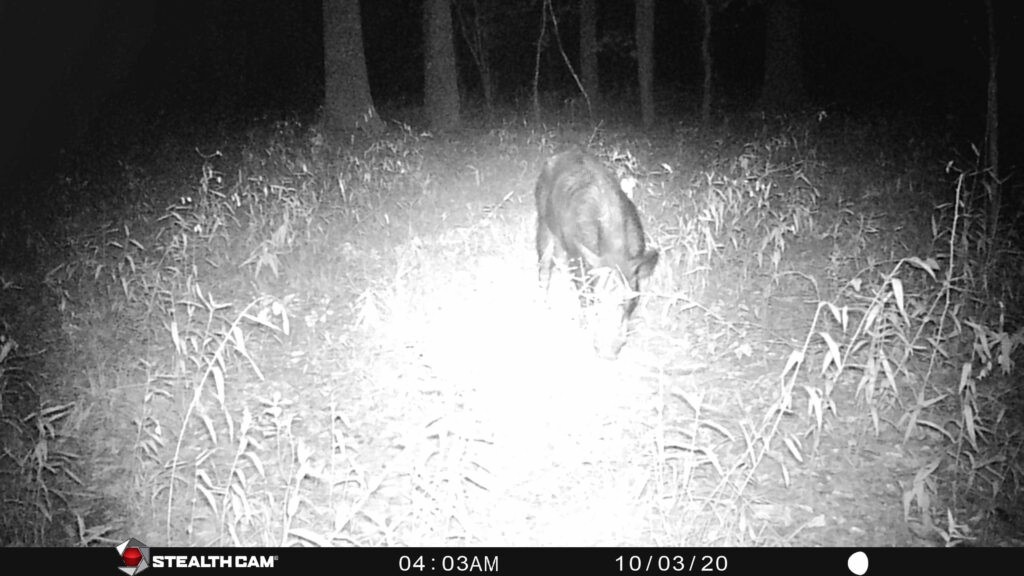
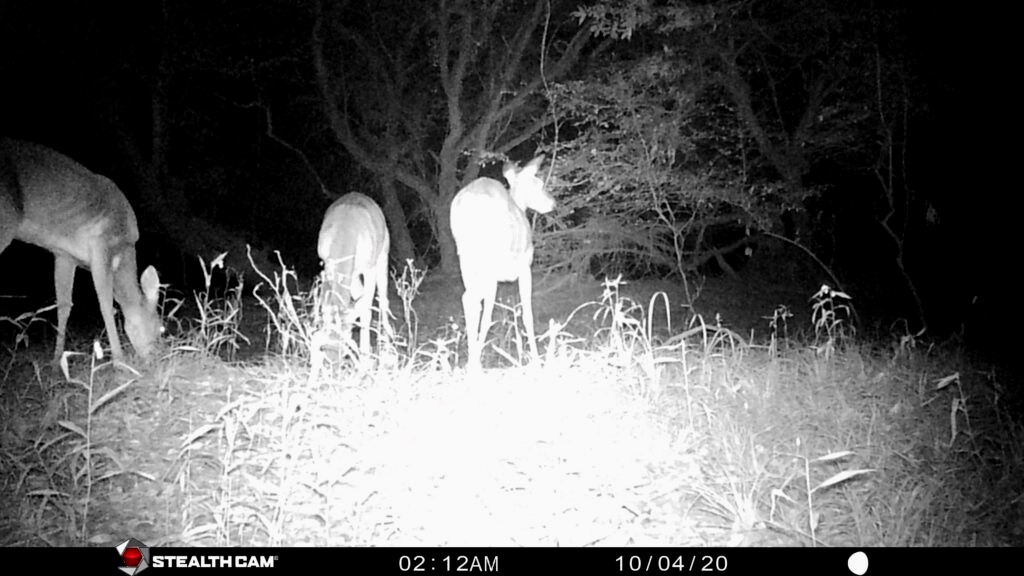
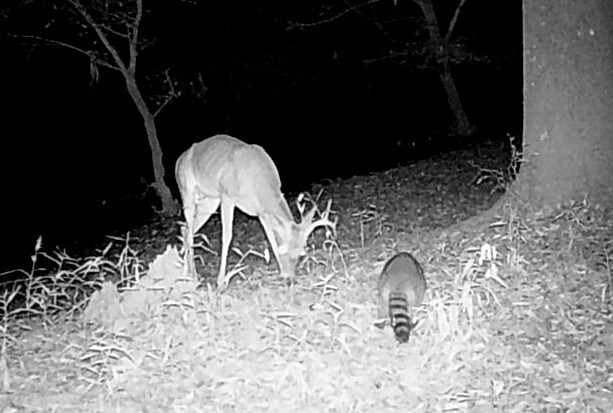
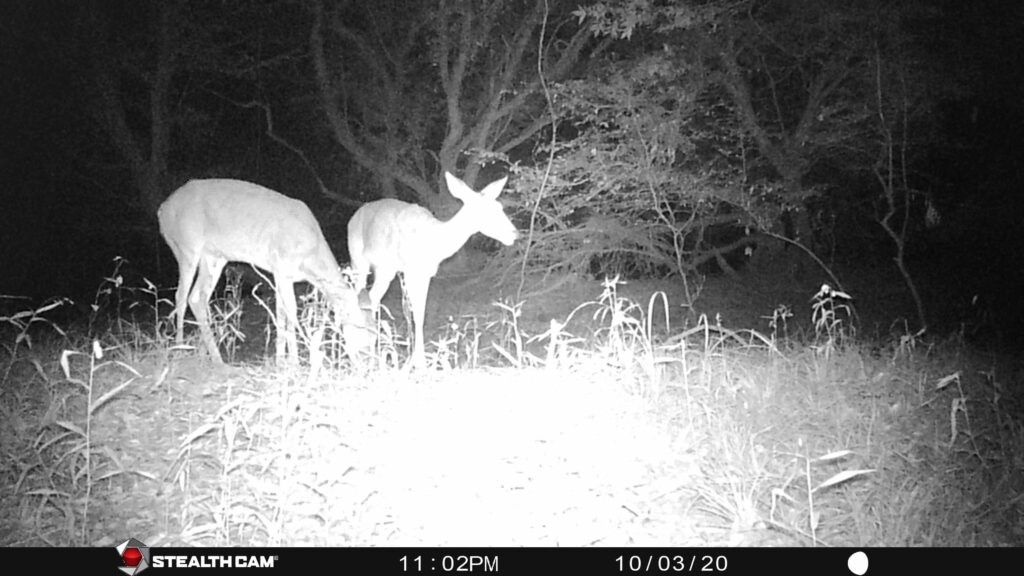
Note the back bone and hips. His neck is the fattest thing on him.
If you are thinking of trying your luck at Keechi Creek here are some observations. The main road was mostly drivable. There were many very large downed trees which made navigating the other roads a challenge. We were there between rains so, while there were large ATV eating puddles, most could be worked around. An ATV is pretty much a necessity if there has been any amount of rain. Otherwise you will have a long hike to get to the better areas.
The mosquitoes are VICIOUS! The thermacell only thins them out a bit. They are so thick you can see large dark clouds of them. Maybe they are why the deer are so skinny?
Make sure you have good directions. Google Maps will flat get you LOST. The road to the area is mostly dirt and sand. If you are not driving a tan vehicle, you will be! Also, remember to blow out your air filter after the hunt.
While the hunt coordinator was only there for our first day he was very friendly and helpful. He answered all of our questions and made sure everyone was happy before he left.
While our hunt was not exactly successful, in fact only one hunter of the twelve who hunted took any deer, the area is beautiful. Large oaks predominate the flats and numerous creeks, washes and gullies crisscross throughout. Evidence of the recent flooding and high winds was everywhere.
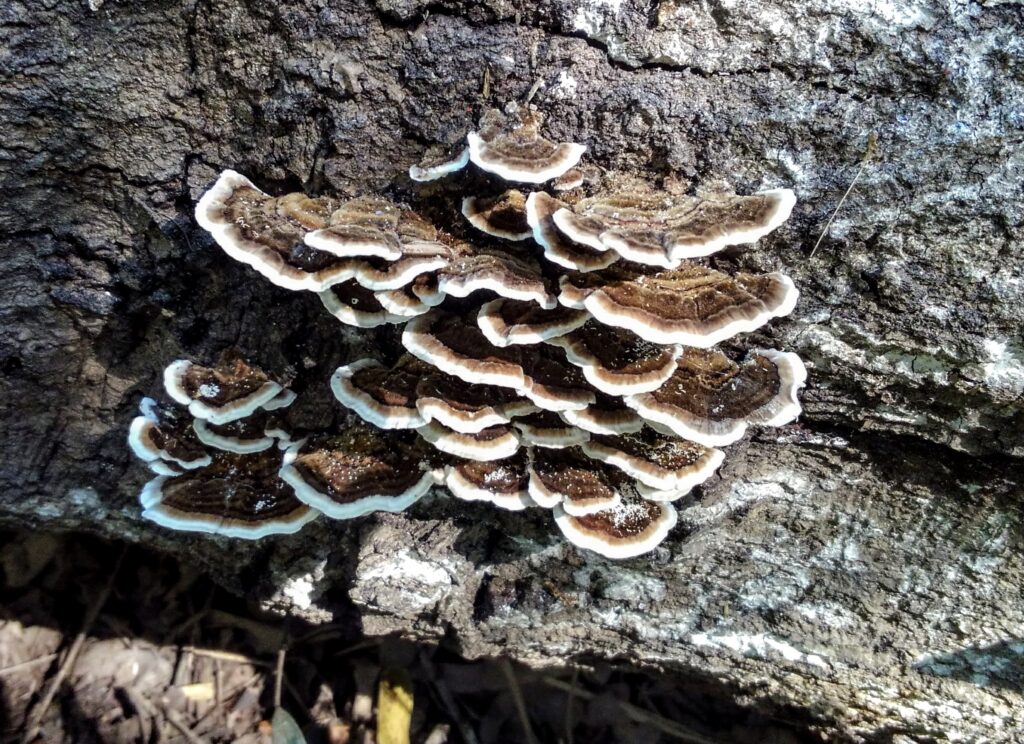
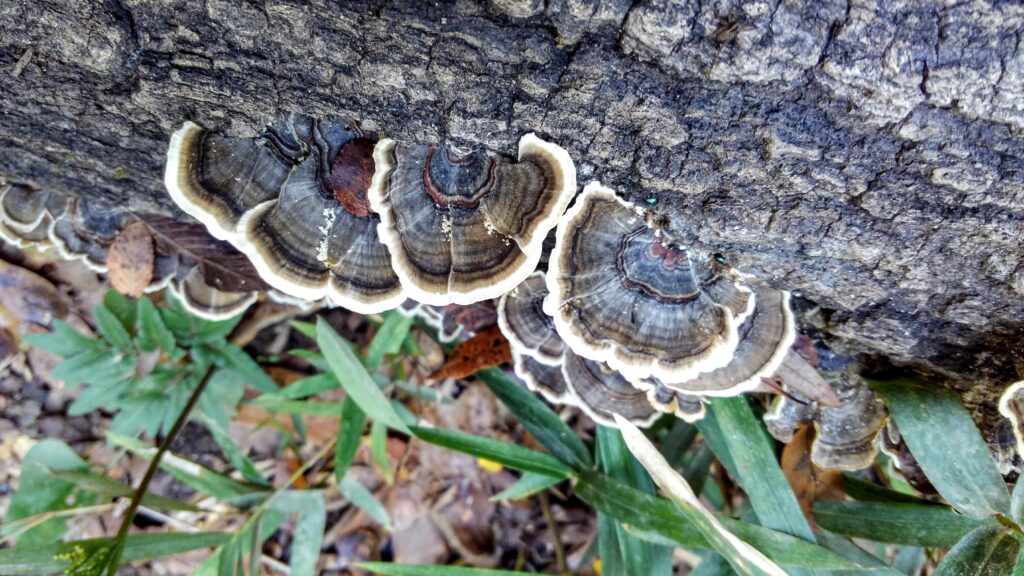
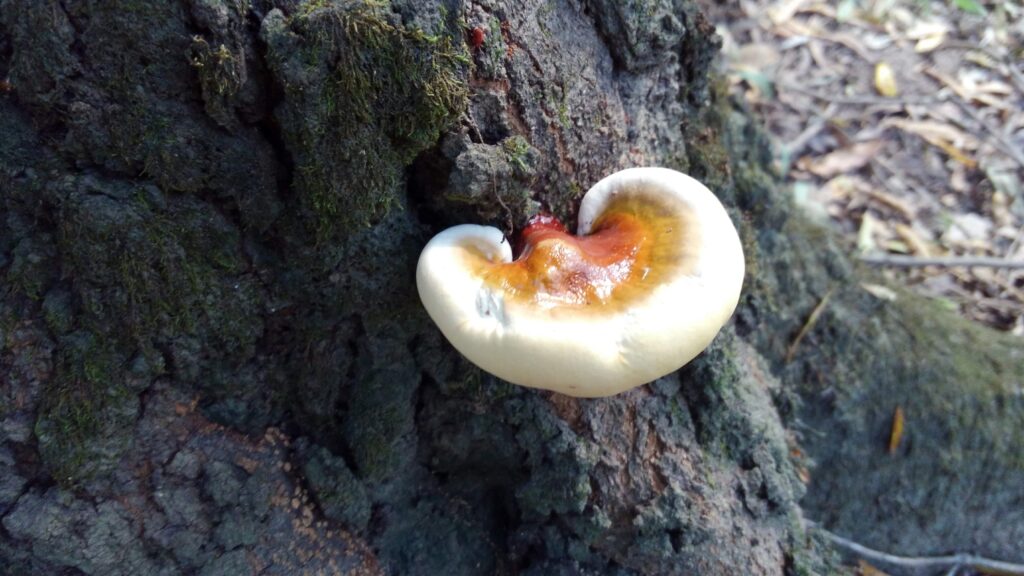
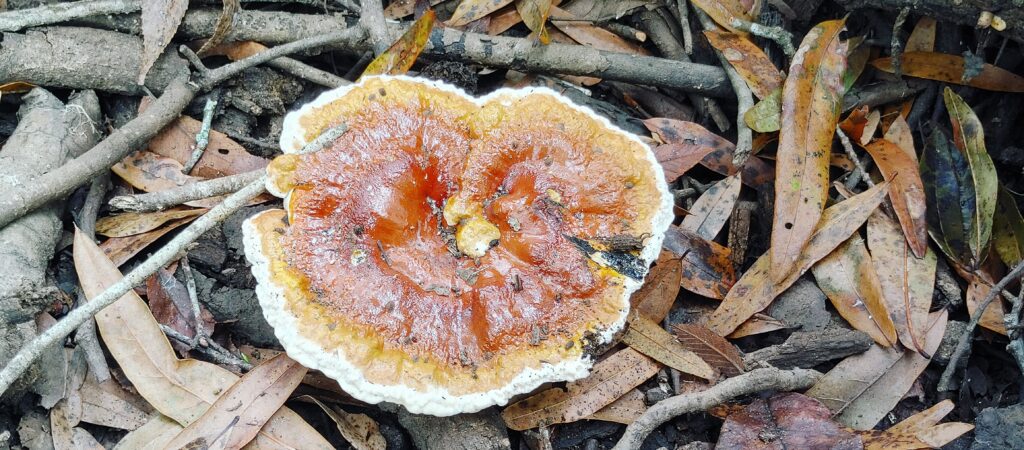
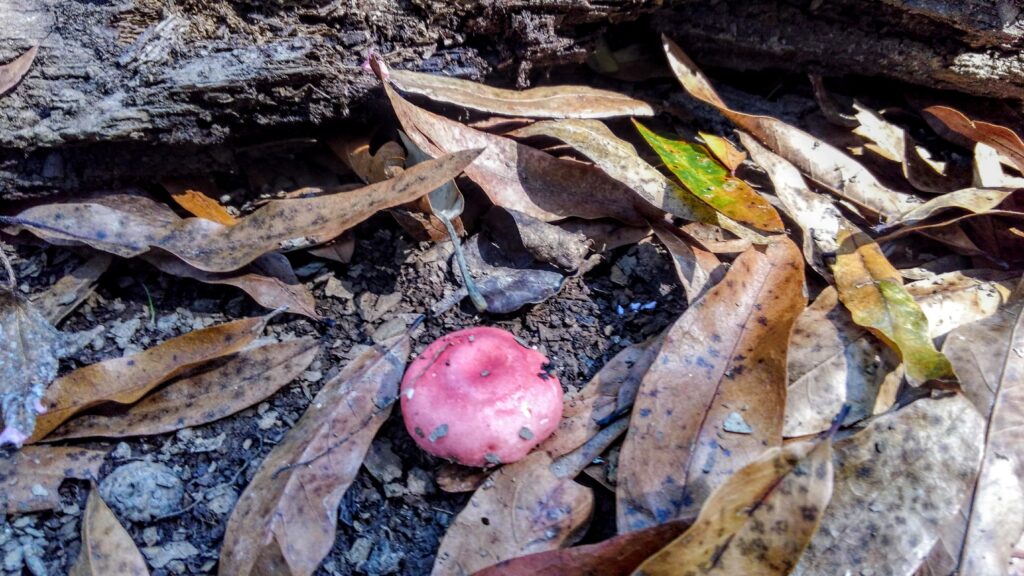
Because of all this wetness and downed wood mushrooms were everywhere. As an aspiring forager I loved seeing the diverse variety.
Turkey Tail
(Tremetes Versicolor)
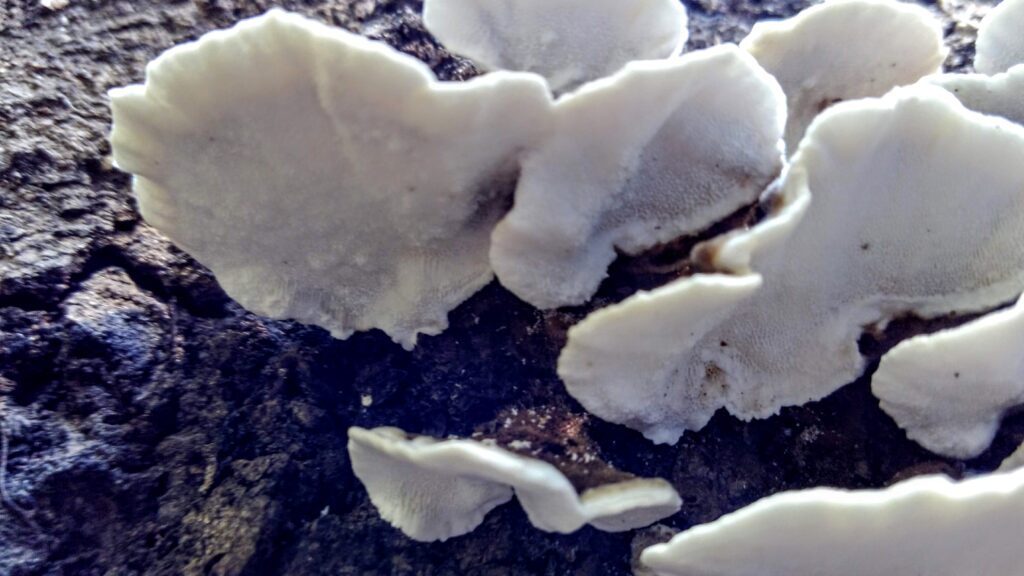
A large group of Inonotus quercustris
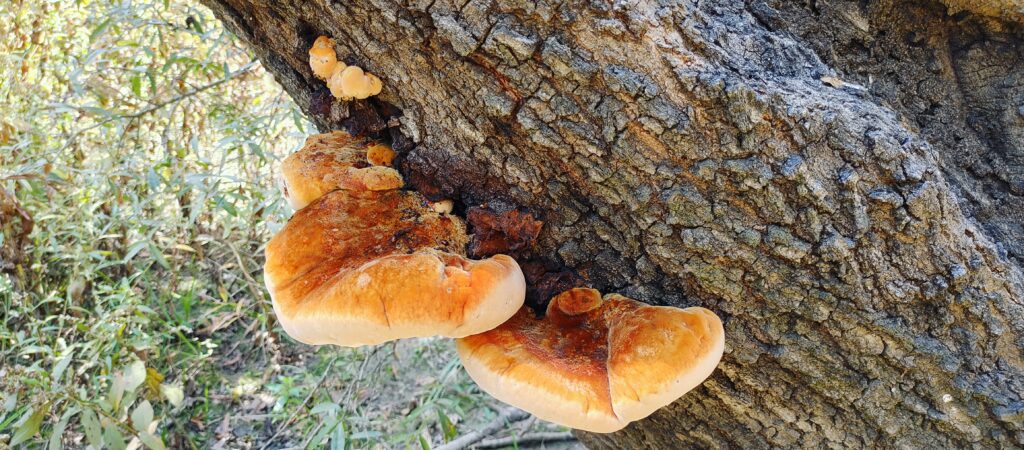
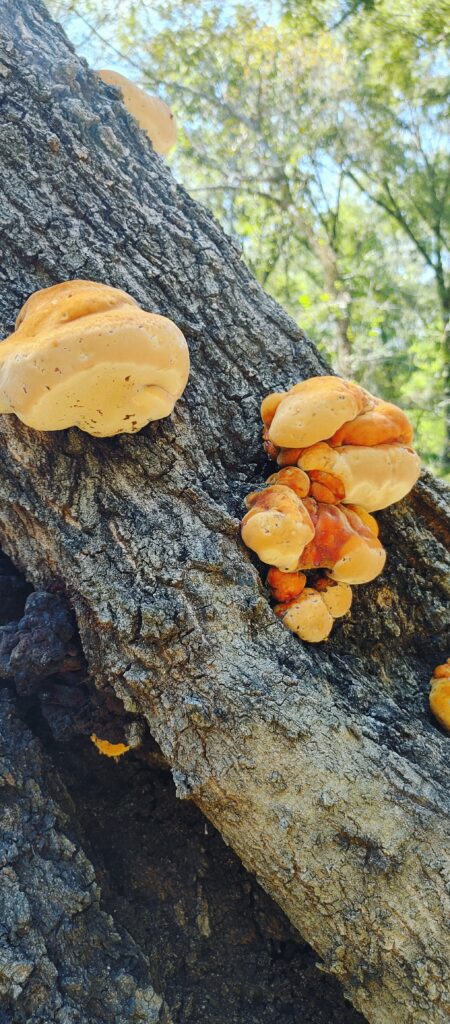
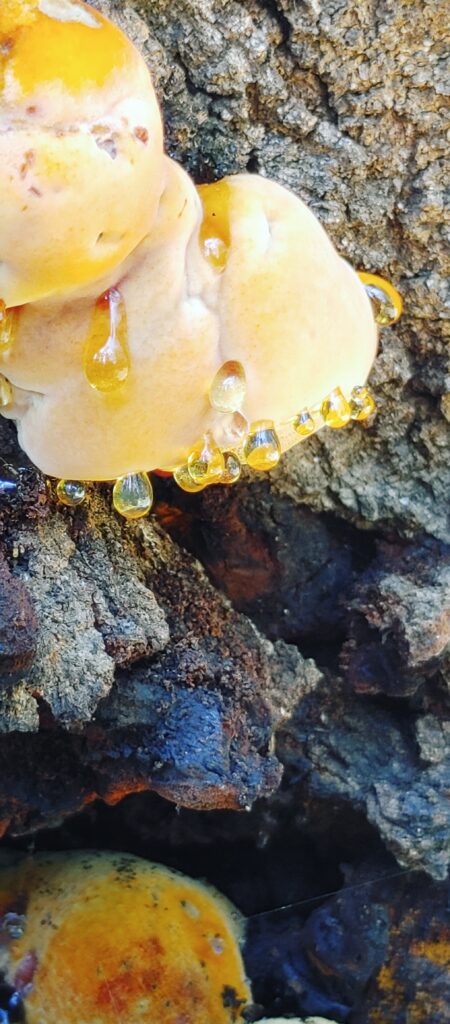
Reshi (Ganoderma sp.)
Probably Russula sp.
Unknown.
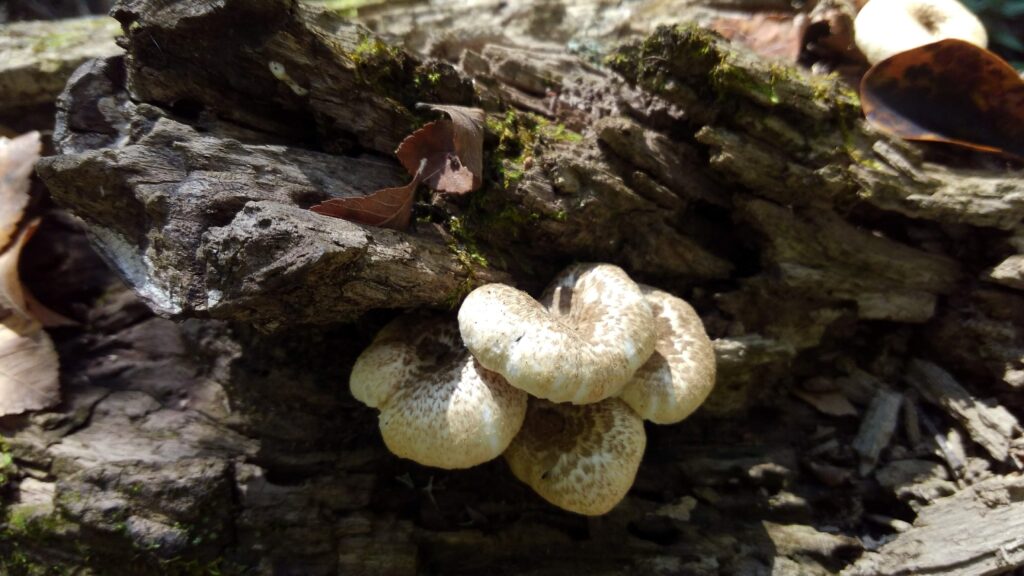
Very old Artist Conks (Ganoderma Applanatum)
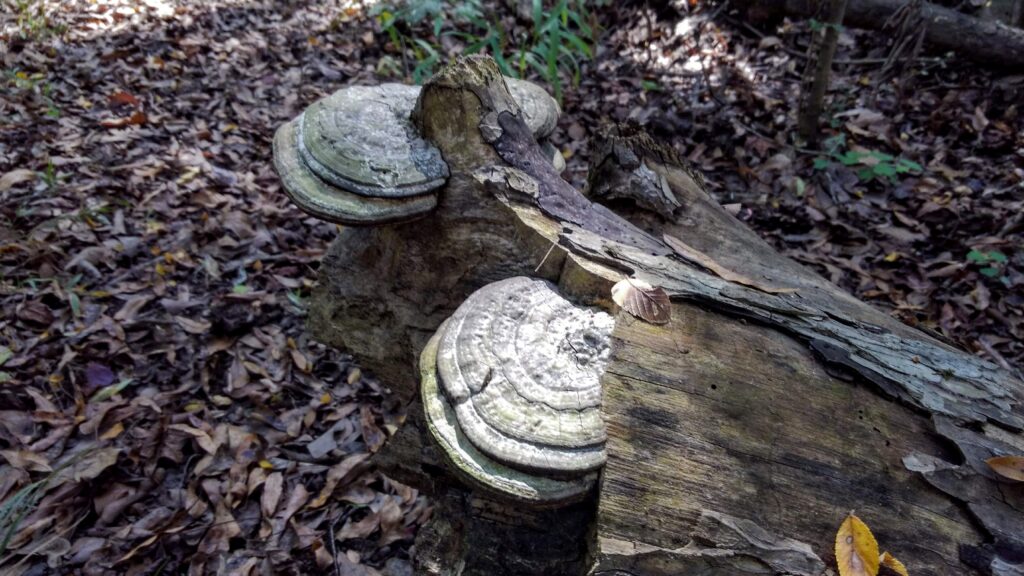
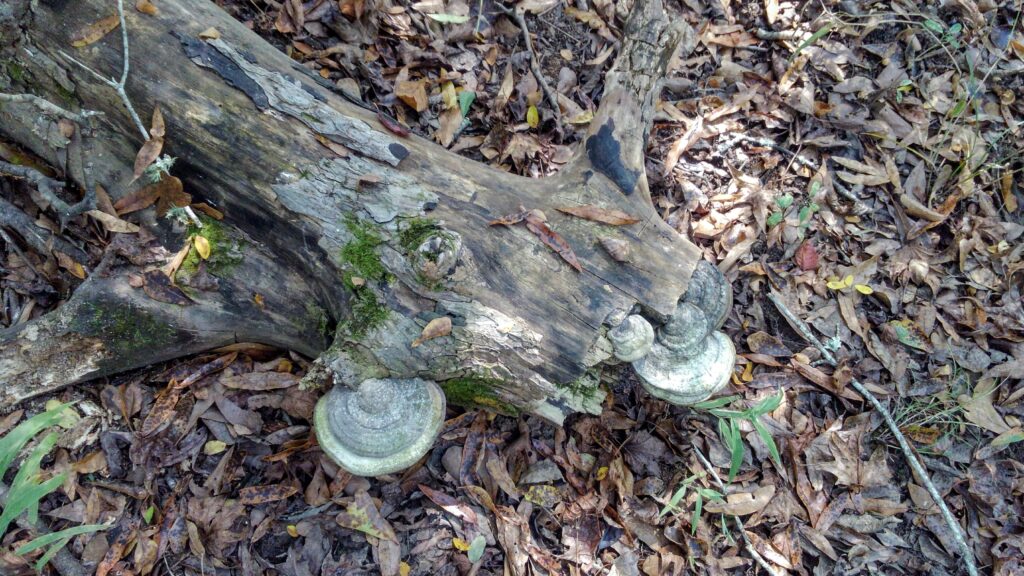
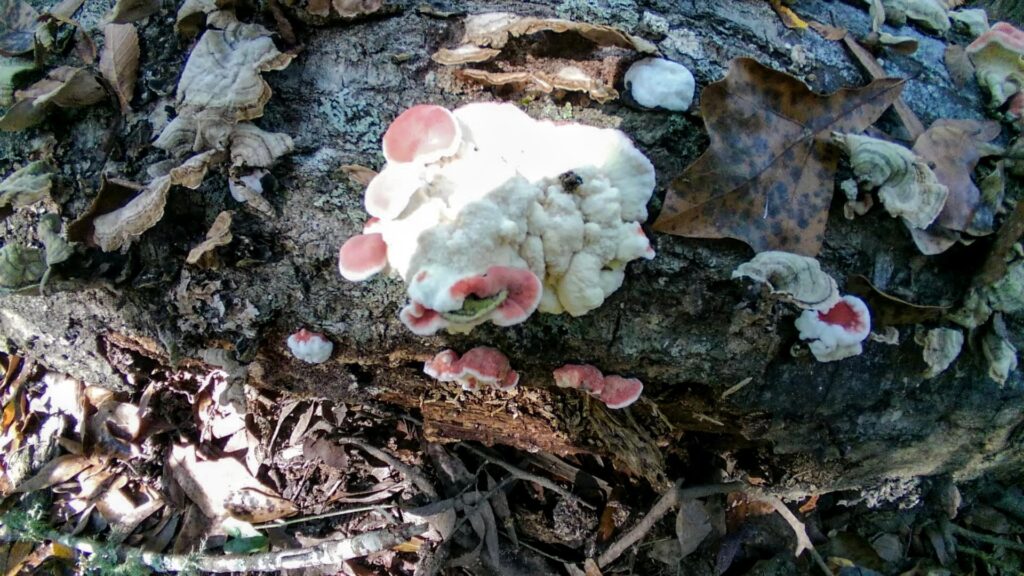
Probably (Merulius Incarnatus)
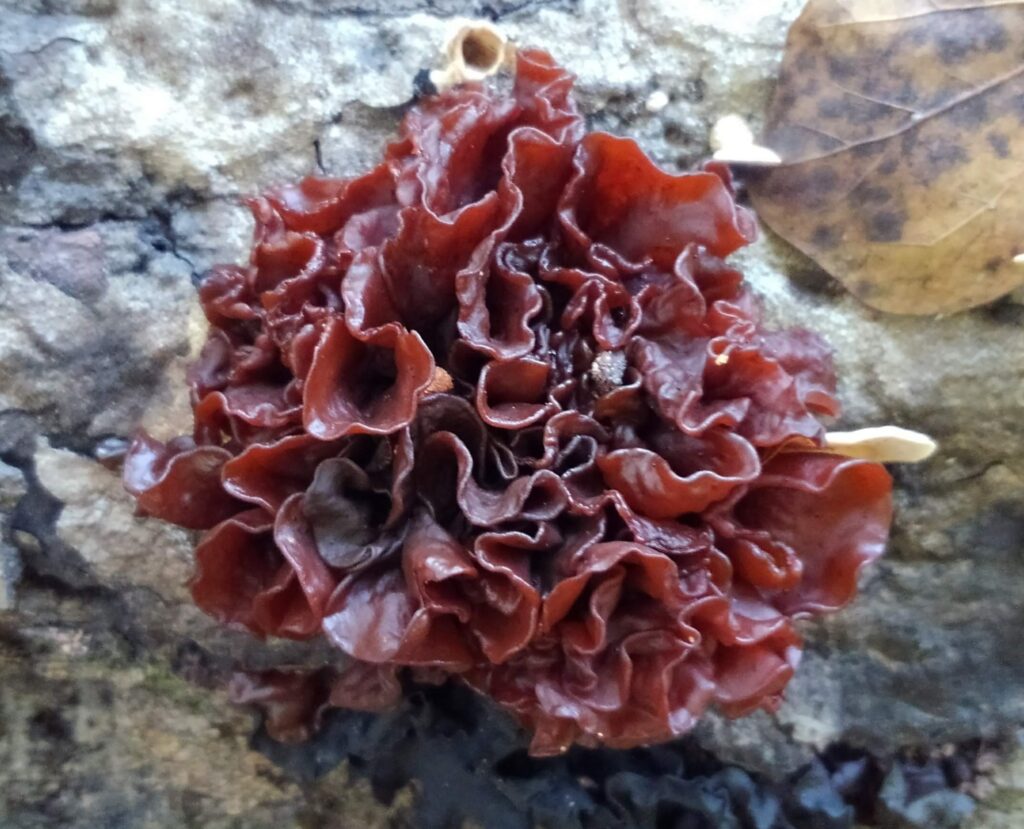
Leafy Brain Fungus
(Tremella foliacea or Phaeotremella frondosa depending on who you ask)
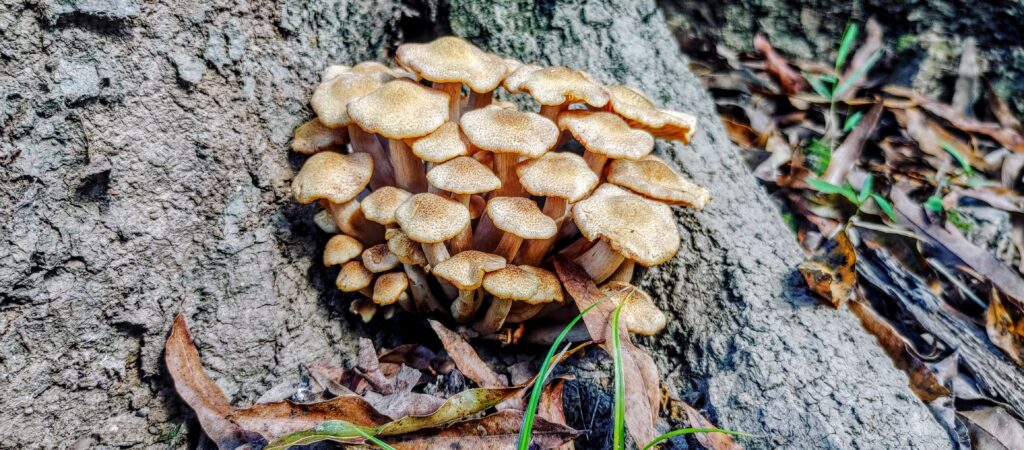
Ringless Honey Mushrooms (Armillaria Tabescens)
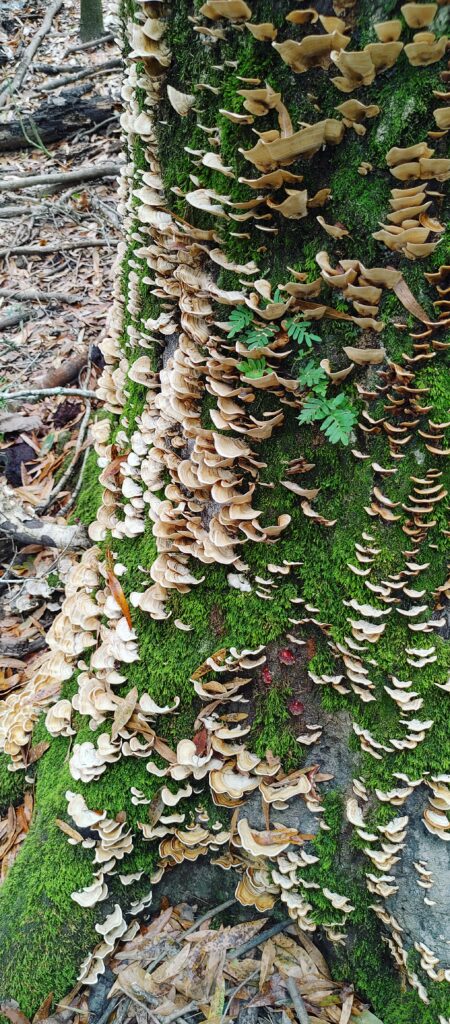
Stereum Ostrea
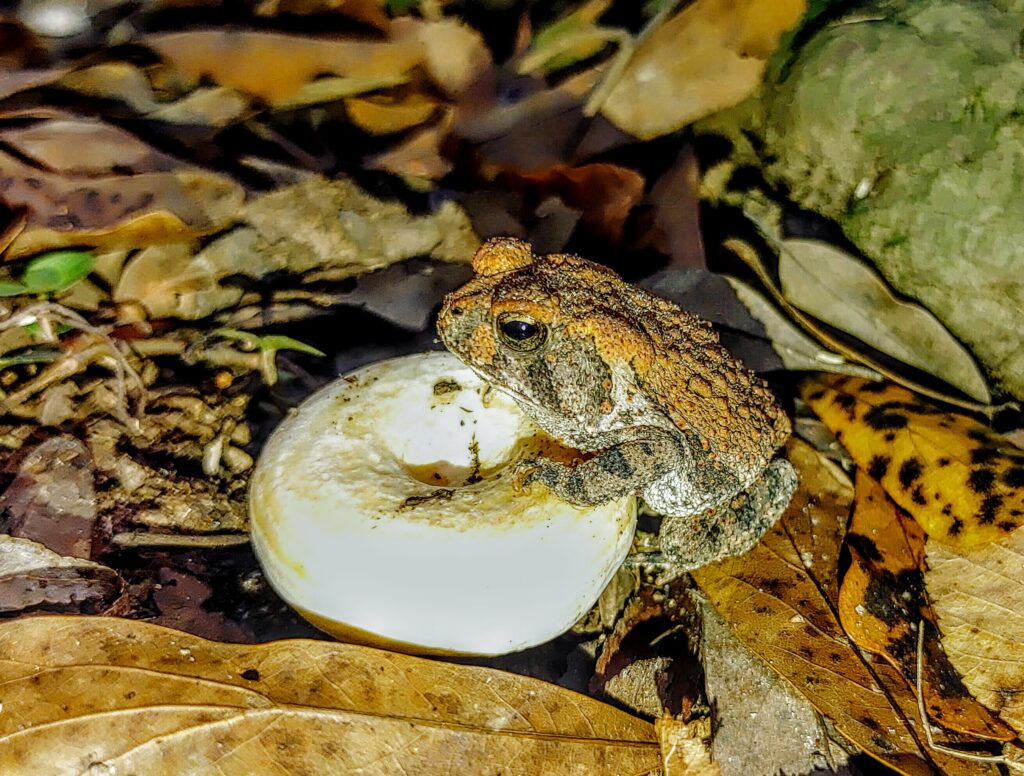
East Texas Toad (Anaxyrus velatus or woodhousii x fowleri)
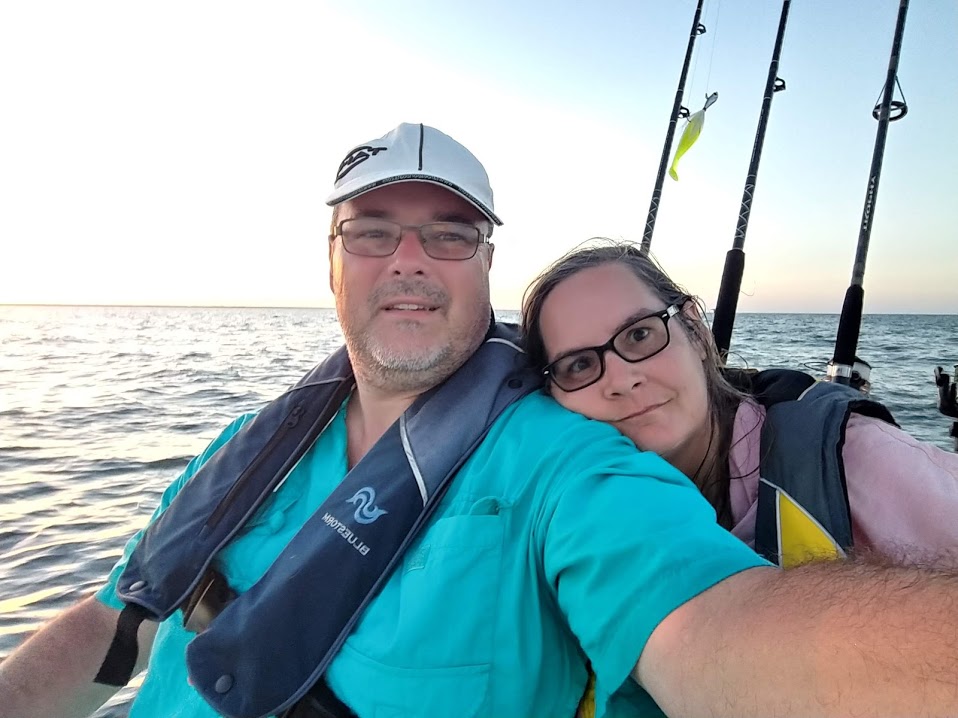
As we were heading to a new spot this 8 foot hammerhead followed us. I think it was attracted to the water flowing out of the bait well. The speed of these animals is unbelievable! It was fun to watch and we could have caught it easily but didn’t want to. I did try to entice it with a bait for photos but had trouble keeping the bait away from it.
After playing with the hammerhead for a while we headed in to a near shore rig. I saw a couple of cobia hanging around the rigs legs but never managed to hook one. The water was beautiful and the weather was awesome so we decided to finish out the day there. I even played with the spadefish (angelfish) which were thick around the boat.
A few hours before dark Steve hooked into something “substantial”. After fighting it for a while he got it close enough to see that it was a very nice blacktip shark. Since those are some of the best eating sharks around we decided to keep it. A little while later my rod went off and I had a decent blacktip shark as well. Steve’s shark was 5 1/2 foot and mine was 5 foot.
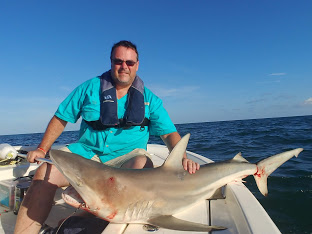
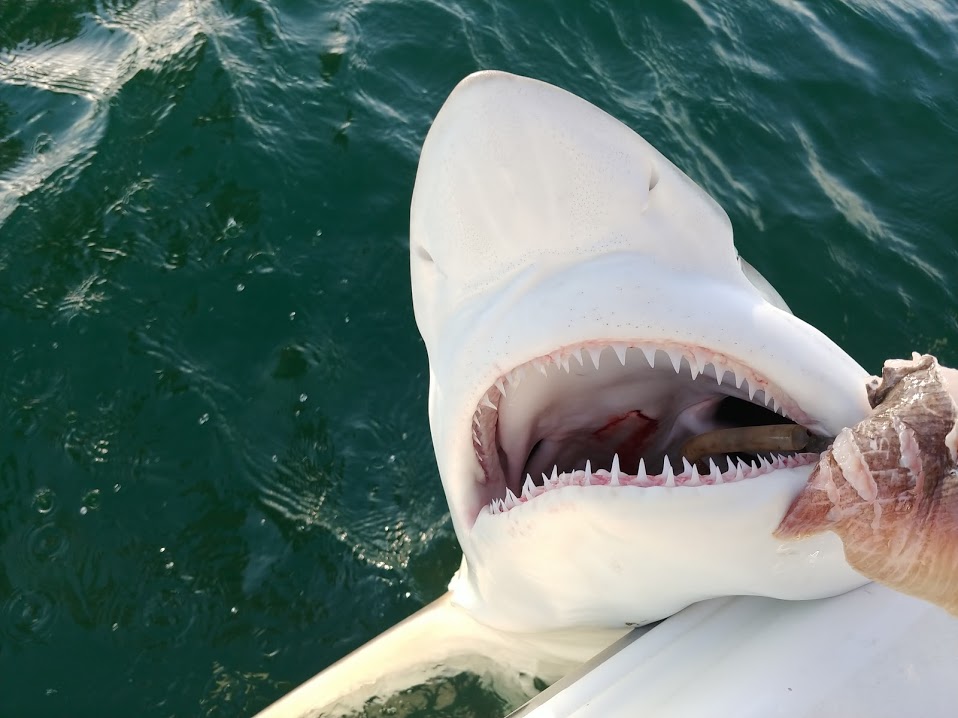
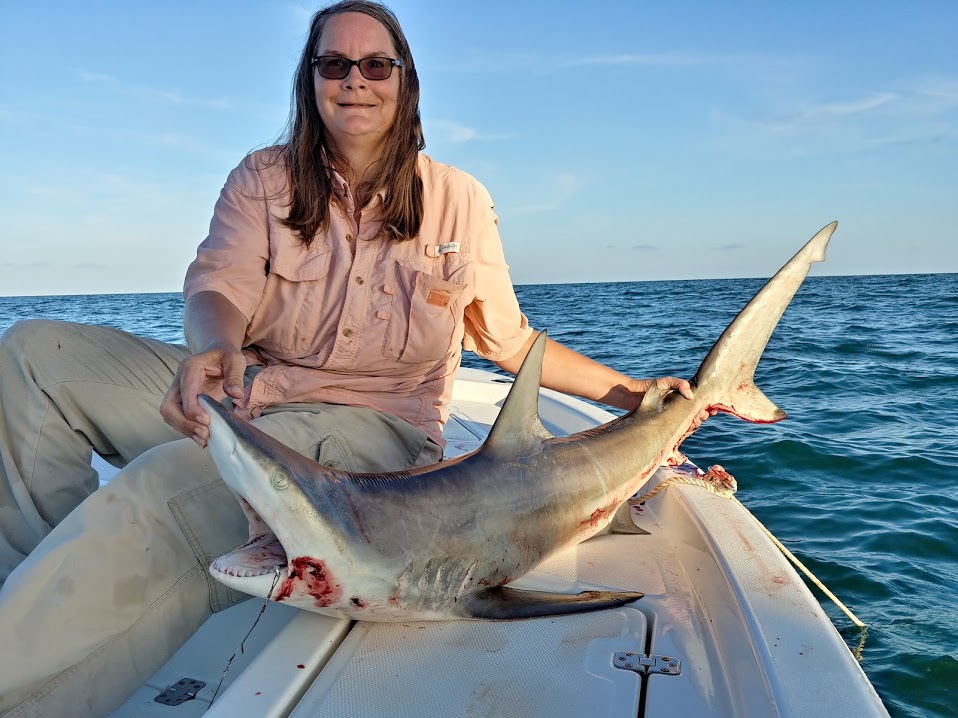
All in all a fun day!
Kyle was one of the cameramen/producers we met at Mason Mountian WMA for the TPWD TV segment we appeared in along with Abe. Since then we have become friends and he has been out with us many times, both flounder gigging and hog hunting. This would be the first time he came out in the boat.
Taking no chances we made sure of a good weather window. The forecast called for nice seas, we had plenty of bait and we felt like we could actually get him his first red snapper.
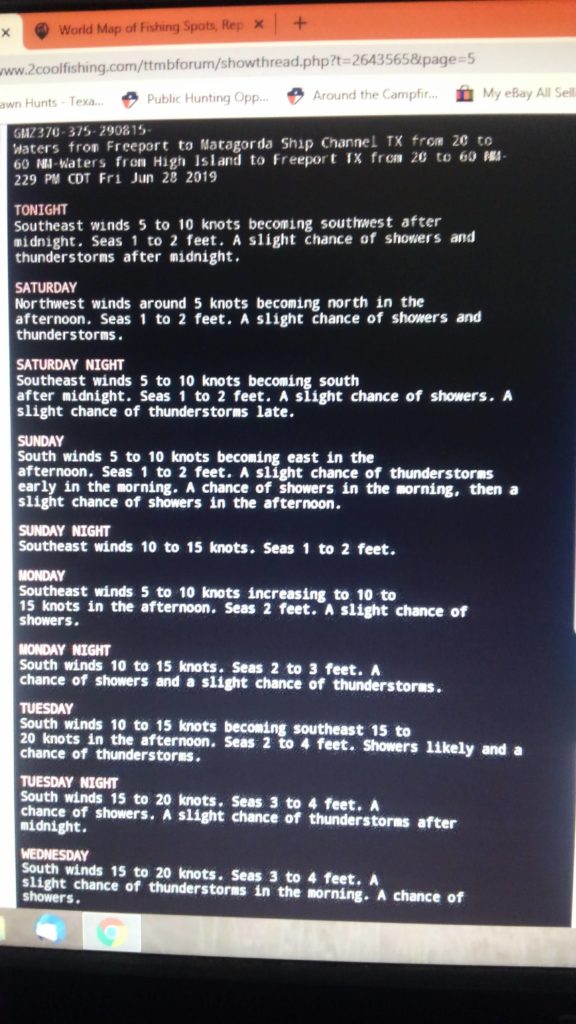
This was the forecast for Saturday June 29. Seas 1-2 feet. Slight chance of Thunderstorms. Any storms that did beat the odds and pop up were expected to build right on the coast and move inland. Awesome!
So calls were made and plans were planned. Kyle came down Friday night and we headed out early Saturday to see what we could find.
The ride out to the snapper grounds was a bit choppy, certainly not the 1-2 foot seas forecast, but still manageable. We expected the waves to calm once the sun got higher and we got further out.
On the way we kept a sharp eye out for floating debris. Interesting things could often be found around floating objects. Alas, none were found.
When we got to the snapper grounds there were already several boats there. I think I counted over twenty. The calm weather really had everyone excited. We even saw a bass boat. Over 30 miles offshore!
It didn’t take too long before our rods bent and it was down to business. Kyle lost a few fish at first but soon had his hands full. His very first red snapper was over the rail within 10 minutes of arrival. It wasn’t a monster so back it went.
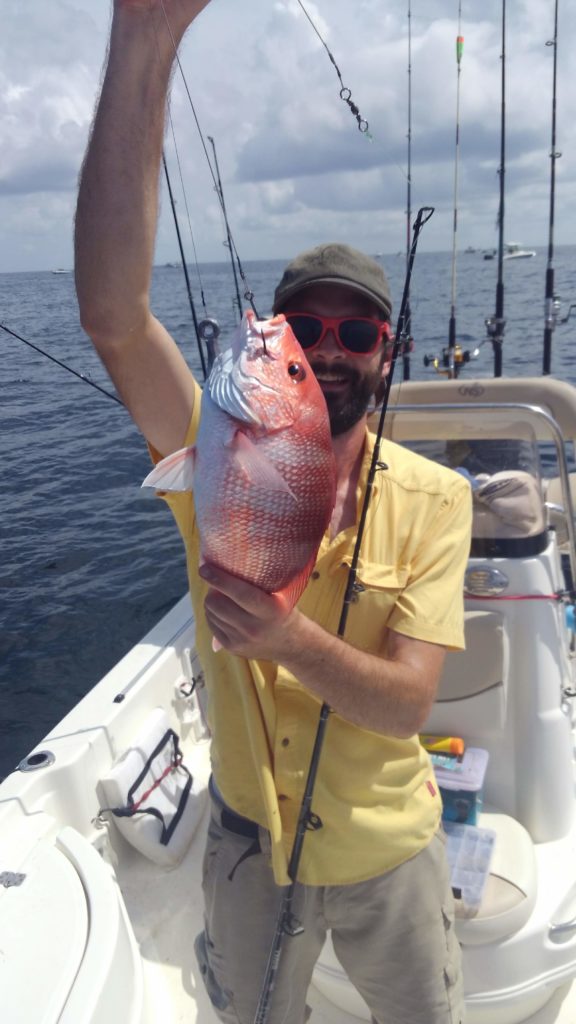
His second was a bit better.
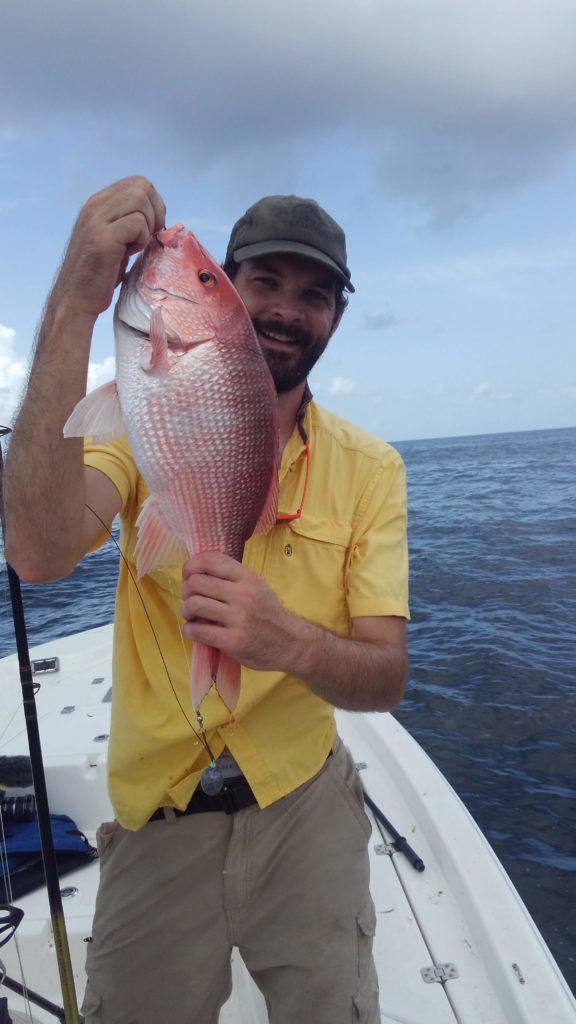
We stayed on the snapper grounds for about two hours until we all had our two Federal water snapper. The sky was starting to darken toward shore anyway.
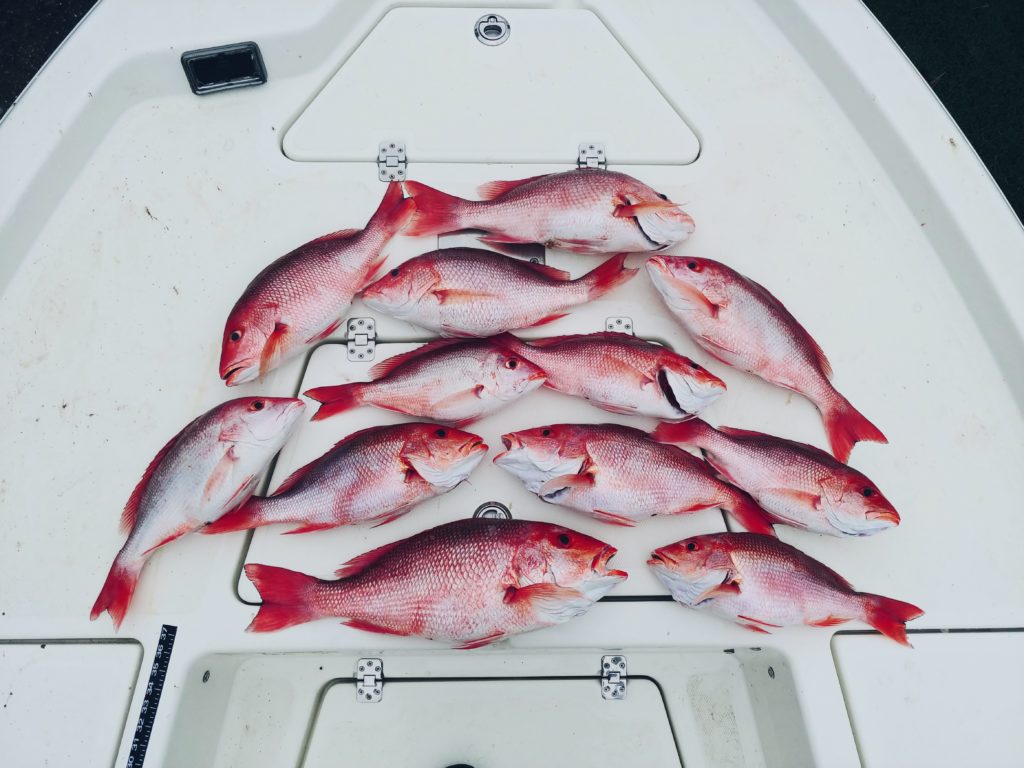
We came in to state waters to a spot where we often found decent snapper. It was our hope to catch our limit there as well. After anchoring we were instantly on the snapper and a few other types of fish as well. We caught some trigger fish, oyster fish as well as some huge hard-heads. All were released. Except the snapper. We each kept two of them.
As we fished we noticed the sky continue to darken over Freeport. Where we could easily see lights and buildings before, now only a few things could be made out through the gathering clouds. Steve was getting nervous and made a call to his dad. We were only about 8 miles from shore and our phones worked but data was spotty so we couldn’t pull up the radar. Steve’s dad looked at the radar and told us to come in NOW! A huge storm was building over the coast and moving offshore.
In the time it took to pull in the anchor and put things away we lost sight of shore completely. Now, only a dark wall of fury met our gaze. Not good.
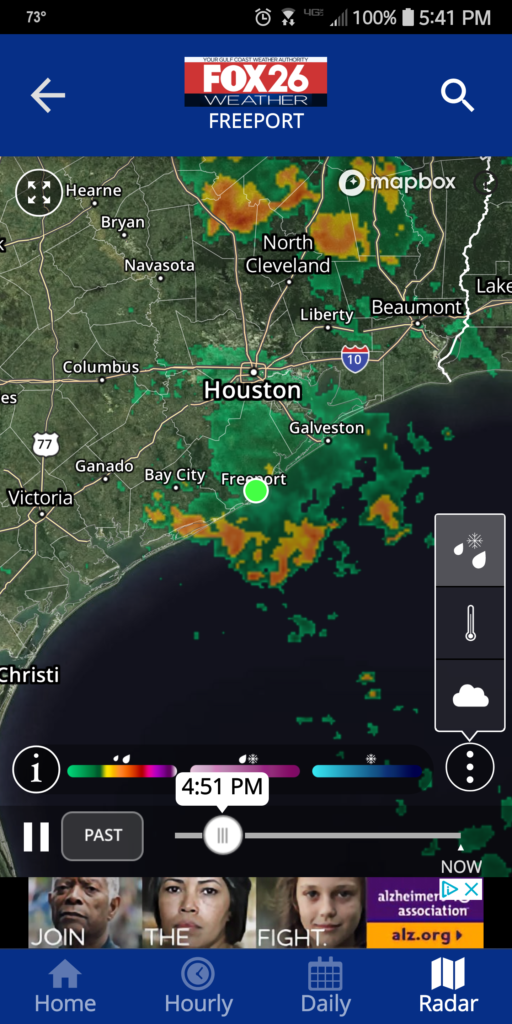
Steve pointed the bow toward the jetties and the storm was upon us. Within seconds we were facing huge waves, hail, lightning and 30 + mph wind. I’m not going to lie. It was scary. The temperature dropped at least 20 degrees and the wind carried tiny biting ice crystals. I had to take my glasses off because I couldn’t see with the amount of water hitting them. When the lightning started Kyle and I scrambled to lay all the rods down before they attracted any electrical attention.
Even though we were only about 8 miles from the beach we were nearly 12 miles from the jetties. All Steve could do was point the bow into the waves and work the throttle. Our boat can do a little over 30 MPH in ideal conditions. With winds between 20 and 40 mph, and some much stronger gusts, we didn’t seem to be making any headway. Not to mention the 6-8 foot waves trying to climb into the boat with us. Thankfully, even though we were pointed into the storm and somewhat away from the jetties, the current swung us almost directly there. Never has there been a sight as beautiful as those channel markers at the mouth of the jetties.
Am I ever grateful that we always leave plenty of fuel in the tank for the return trip. Our rule of thumb is 1/4 tank out, leaving 1/4 tank to get back and half a tank in reserve. It might seem like overkill but we like to be cautious. That way, if we wind up chasing fish schools or some other thing we would have plenty of fuel. We did not foresee circumstances like this. It took us about an hour to cover those 12 miles back to the relative safety of the jetties. During that time we took several big waves over the bow and had lightning hitting uncomfortable close. We hit the dock with just over 1/4 of a tank remaining.
Lots of boats were just loitering around the boat dock as people recovered from their own personal ordeals. Many people looked to be in shock and I’m not sure we were much better. We were soaked to the bone and chilled as well as exhausted. After getting the boat on the trailer we just kind of sat there in the truck happy to be back safe and wondering if everyone else was as lucky.
Remember all of those boats I had seen on the snapper grounds? Well most of them got caught in the storm. The marine radio was buzzing with calls for help. Later I would learn of boats that sunk and people in the water. Several boats ran out of fuel or lost an engine trying to battle the storm. As far as I know no one died but there were lots of empty boat trailers waiting at the ramp for boats which might never return.
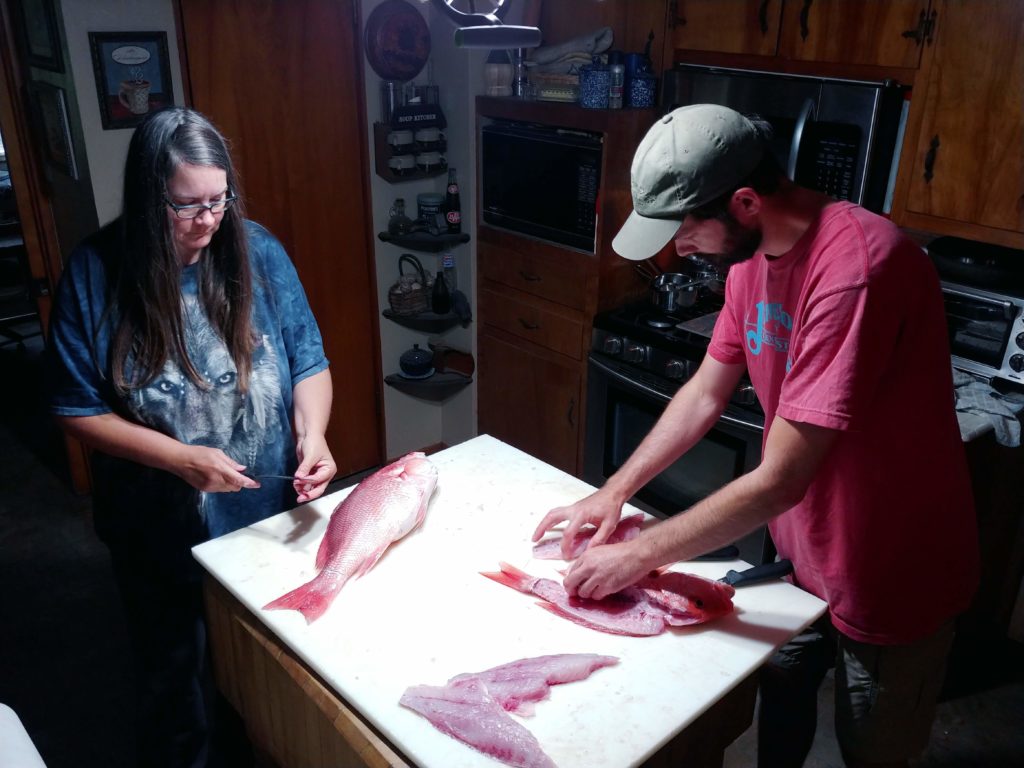
Still there were fish to clean and a boat to wash up. The ride back home was a quiet one.
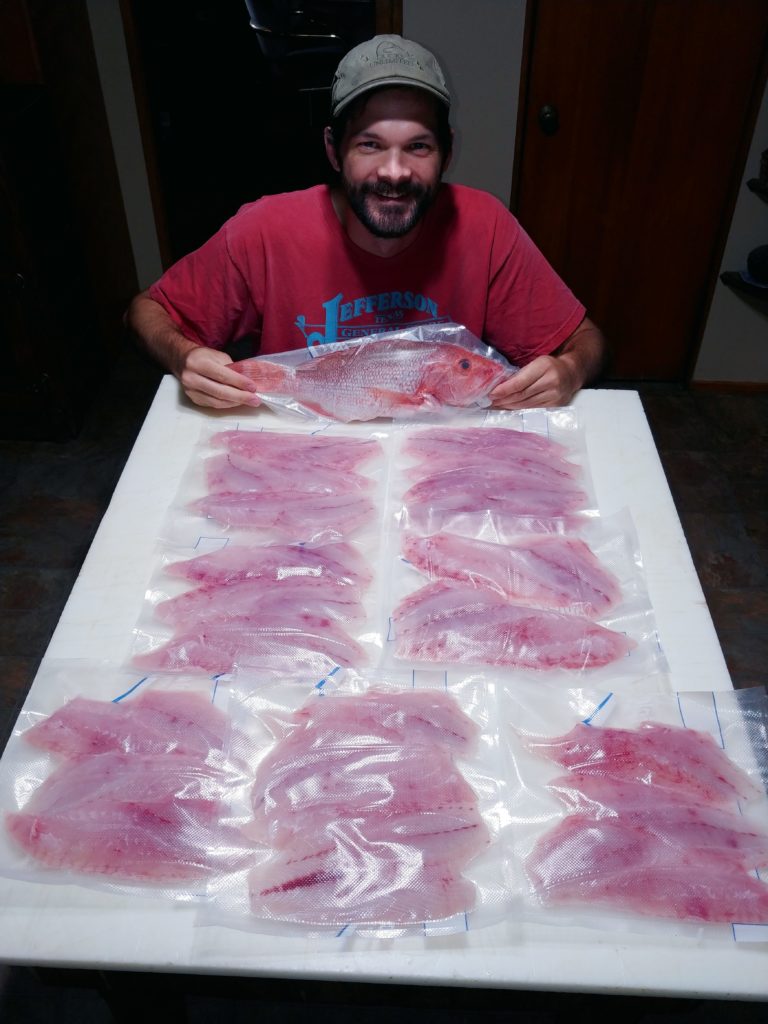
We did manage to get our limit of snapper and Kyle had a nice pile of fillets to take home with him.
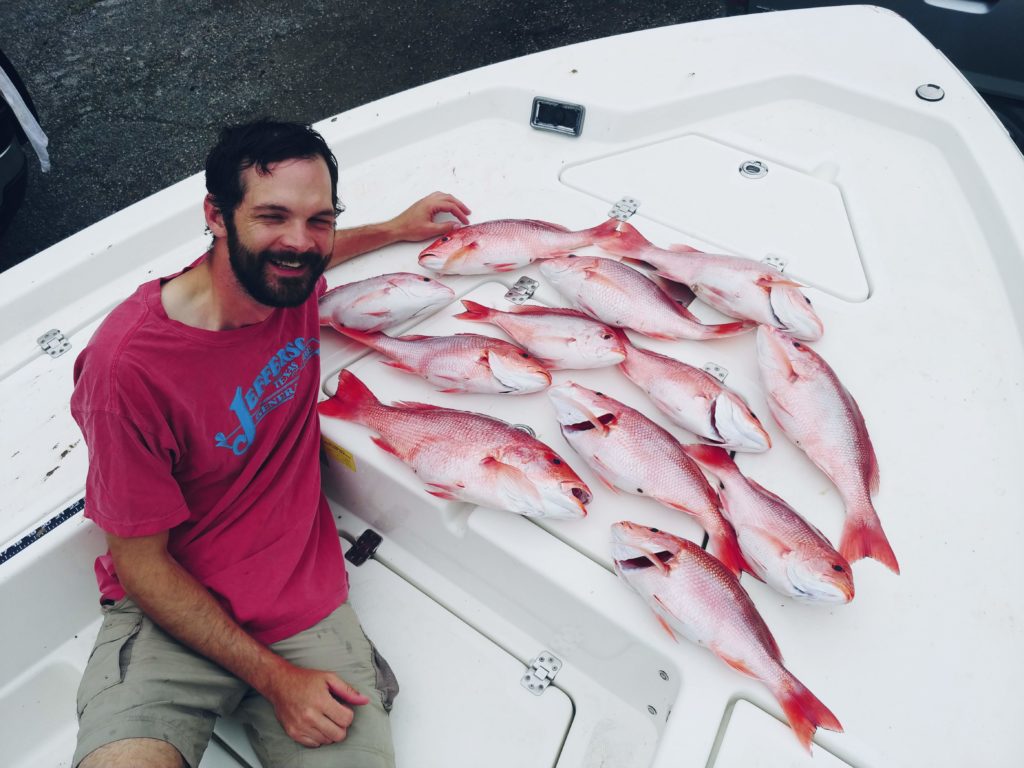
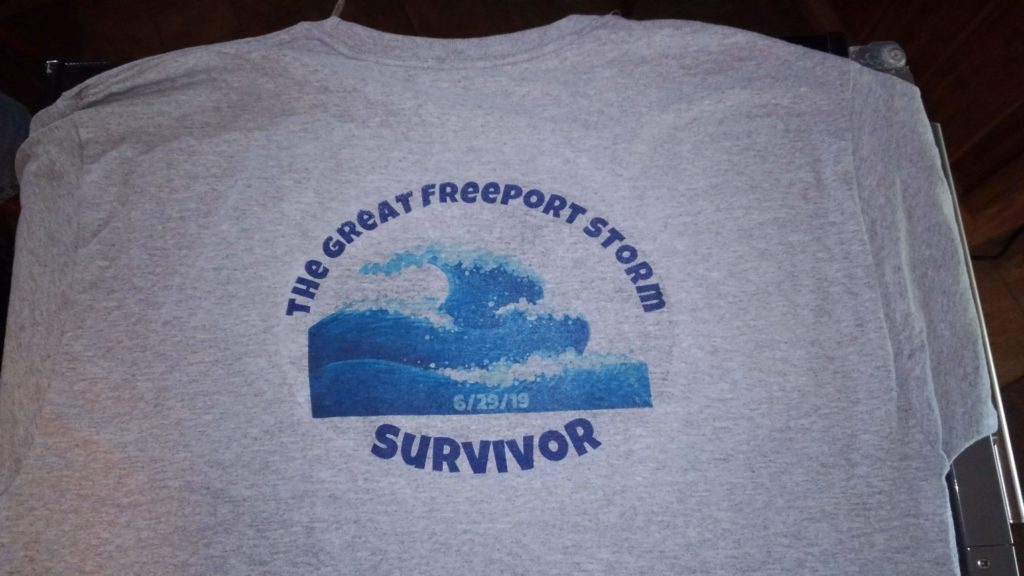
We survived and have the T-shirt to prove it.
This video was made using our own footage as well as some from other boats.
While in west Texas for our mule deer hunt (here) we visited the small town of Marfa. That is the town famous for the mysterious Marfa Ghost Lights. We also stayed after dark to see them (here).
As we drove around Marfa we came across an awesome rock shop. If there is anything almost guaranteed to make us stop the truck it is those two words. ROCK SHOP.
Of course we stopped to check things out. Moonlight Gemstones was a great little shop with a large yard full of beautiful rocks. I purchased some rocks and of course Steve picked out some un-cracked geodes. Then we picked the owners brain about places to look. He was extremely helpful and pulled out a map and educated us on the local geology. He even went so far as to give us some pointers on where we might find some of the areas most sought after stones, Texas agates. In addition he had lots of amazing agates on hand that he found himself, both rough and polished. They were awesome!
That was when I learned that the area around Elephant Mountain held some nice deposits of these treasures. He showed us the outcroppings and lava flows which might still contain decent rocks if they weren’t already picked clean by other rock hounds.
A little about that. Yes, we were hunting Elephant Mountain WMA. But taking any rocks from there would be both extremely stupid and highly illegal. Since we LOVE hunting Texas Public land there was no way we would jeopardize our hunting privileges by touching a single stone on State land. But, picking up rocks from state and county road cuts, not interstates, is legal and a time honored tradition among rock enthusiasts.
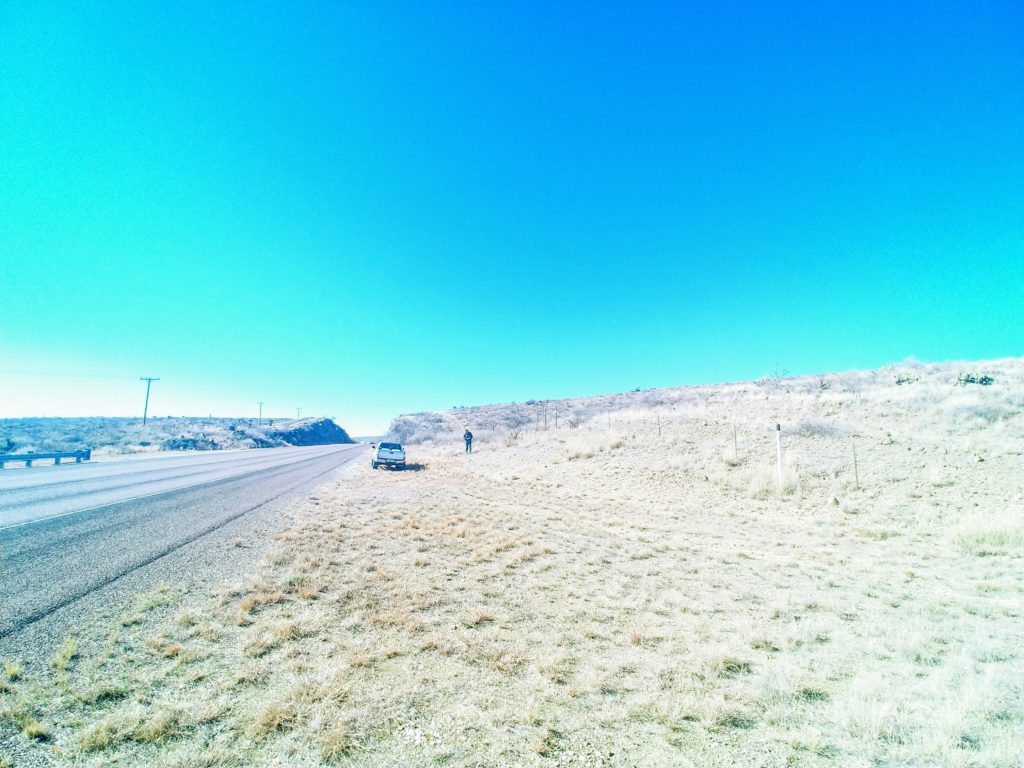
Once our deer hunt was over we set aside time to check out the roads and washes in the nearby area. In truth, we would have done that anyway. With our new knowledge about what to look for we were doubly determined to look around. I was still very sick from my allergy attack but resolved to suck it up and do some searching.
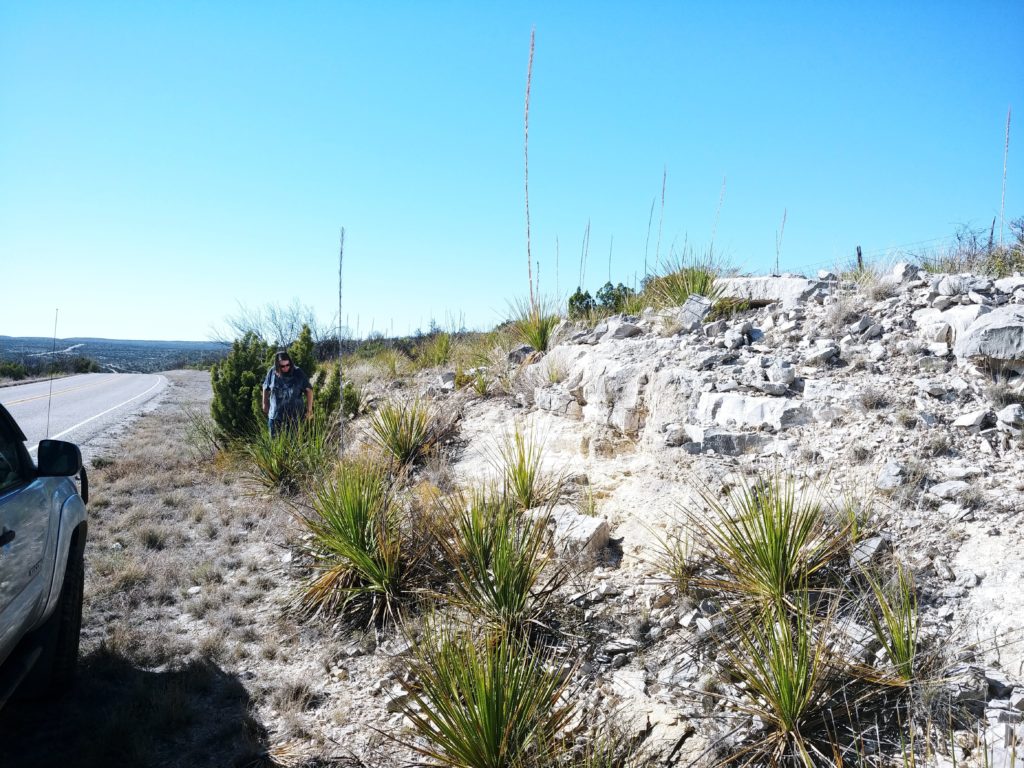
The road cuts just outside the area on Hwy 118 provided us with some awesome rocks. We even came across some other rock hounds while searching. Steve was beyond thrilled to find some actual geodes within minutes of our starting our search.
Steve loves geodes. He is incapable of passing them up in shops or at rock shows without getting at least one. That is one of the many things I love about him. However he had never, ever, found a really nice one “in the wild”. To simply pick up a geode from the side of the road was amazing.
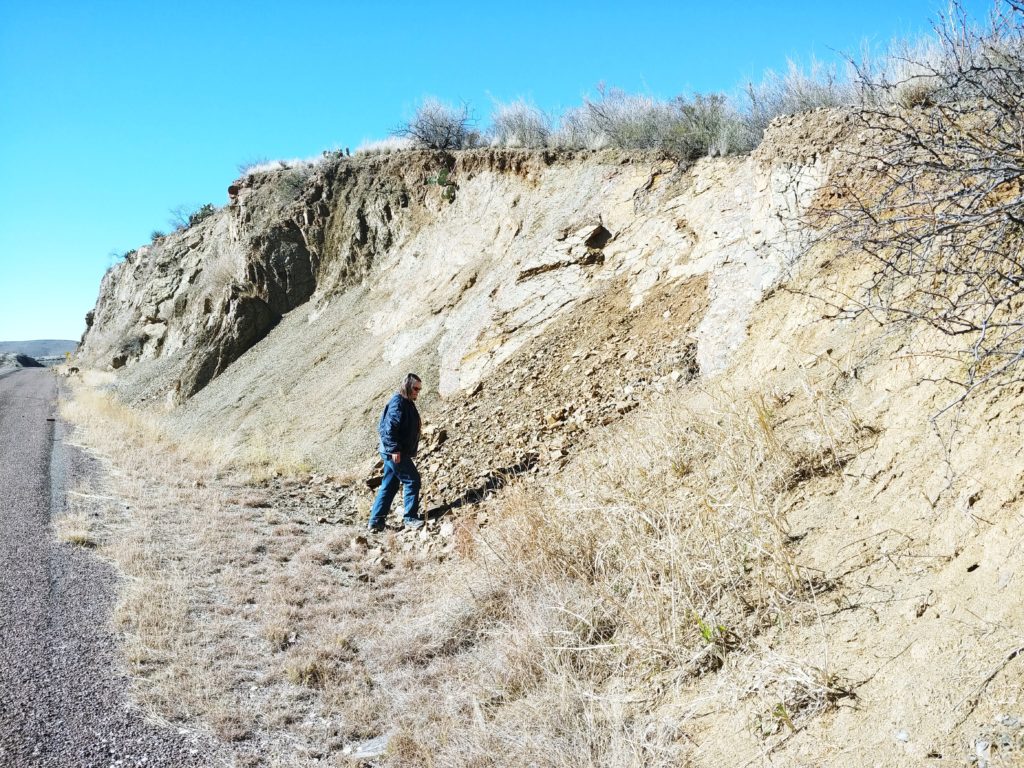
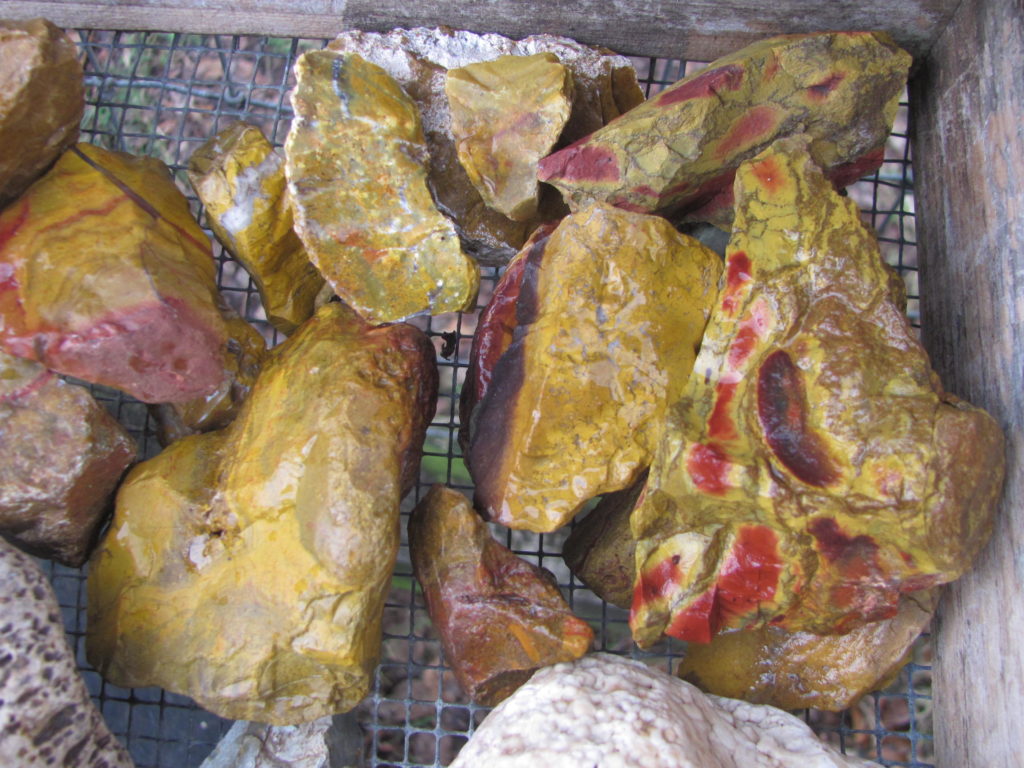
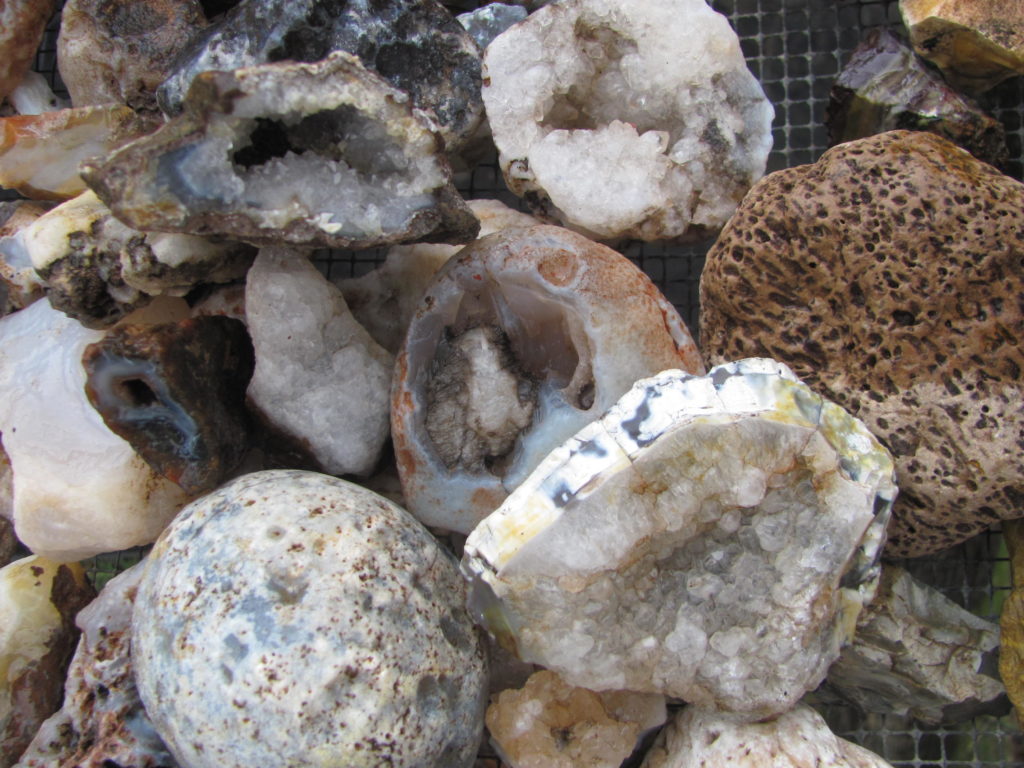
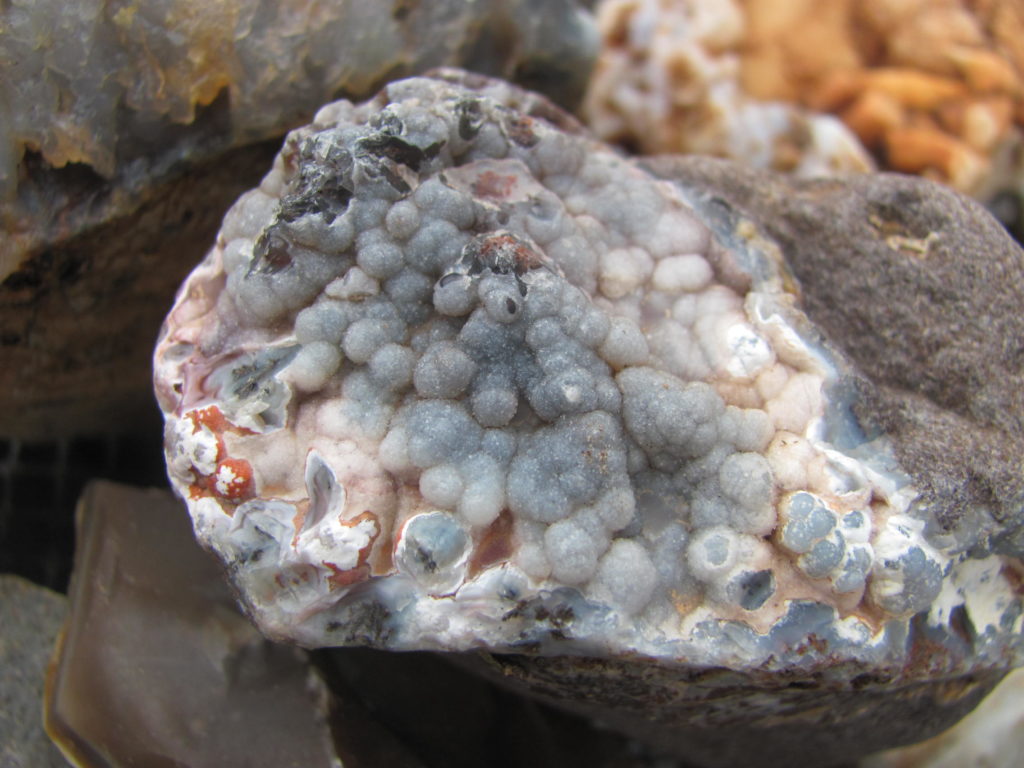
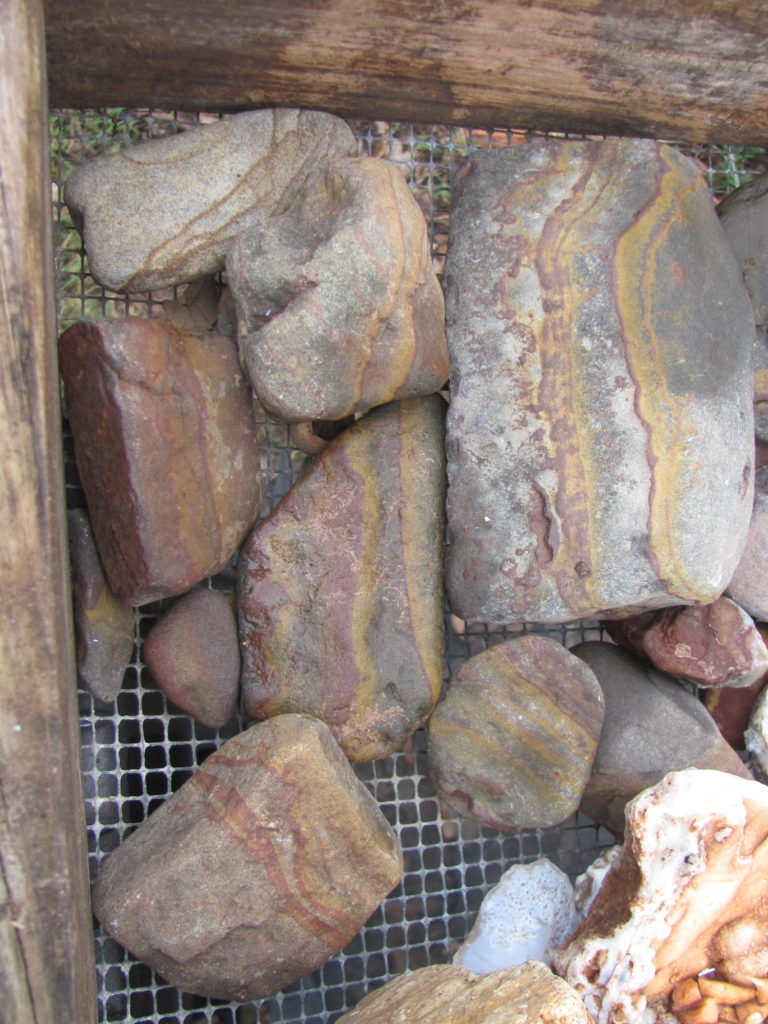
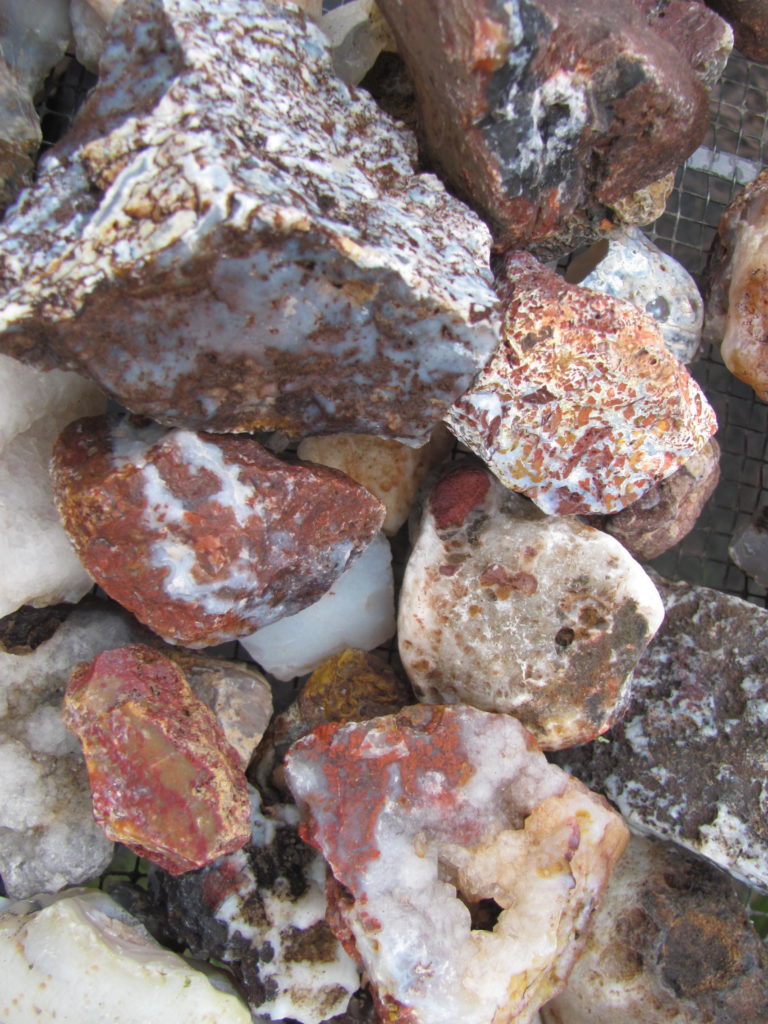
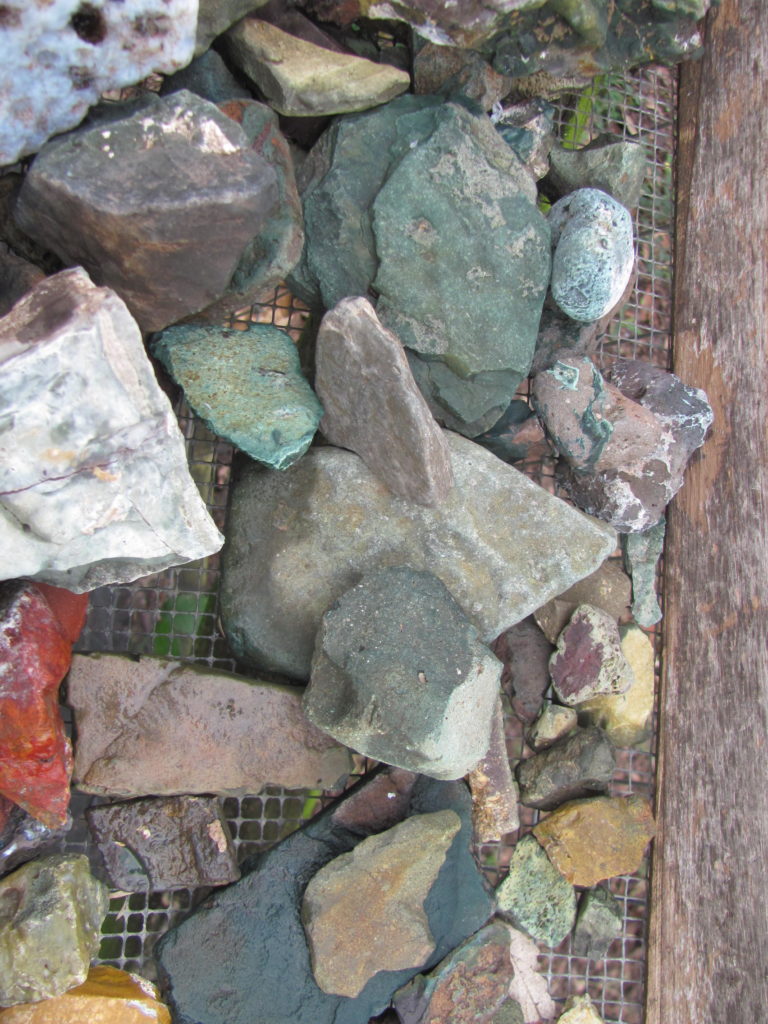
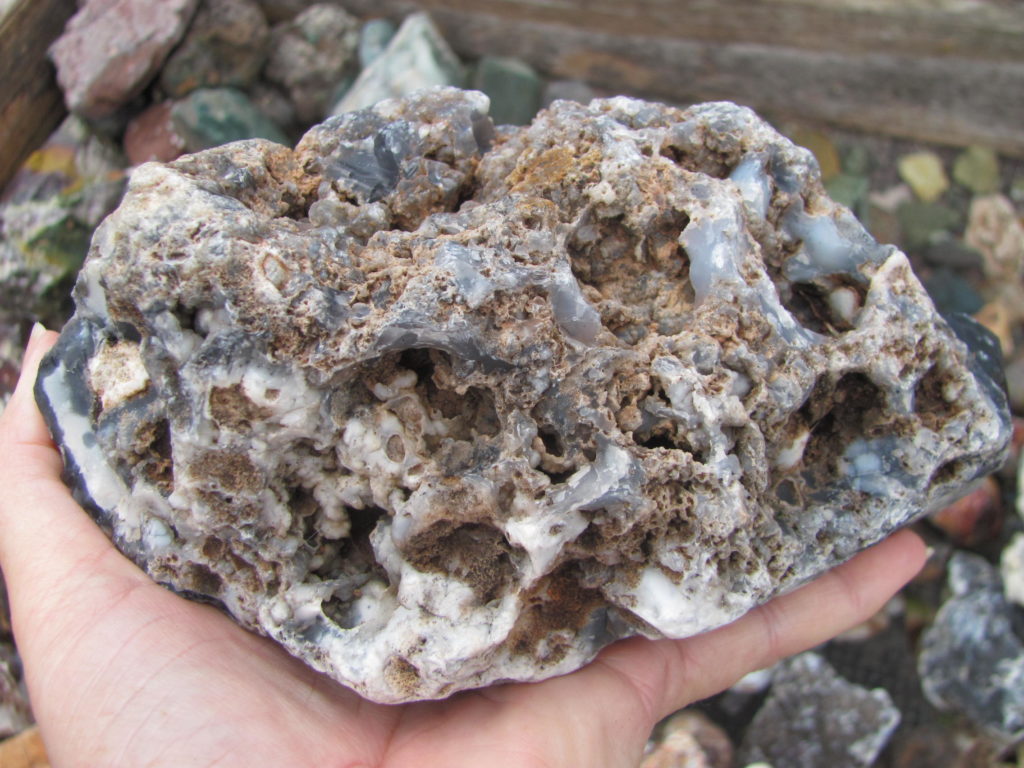
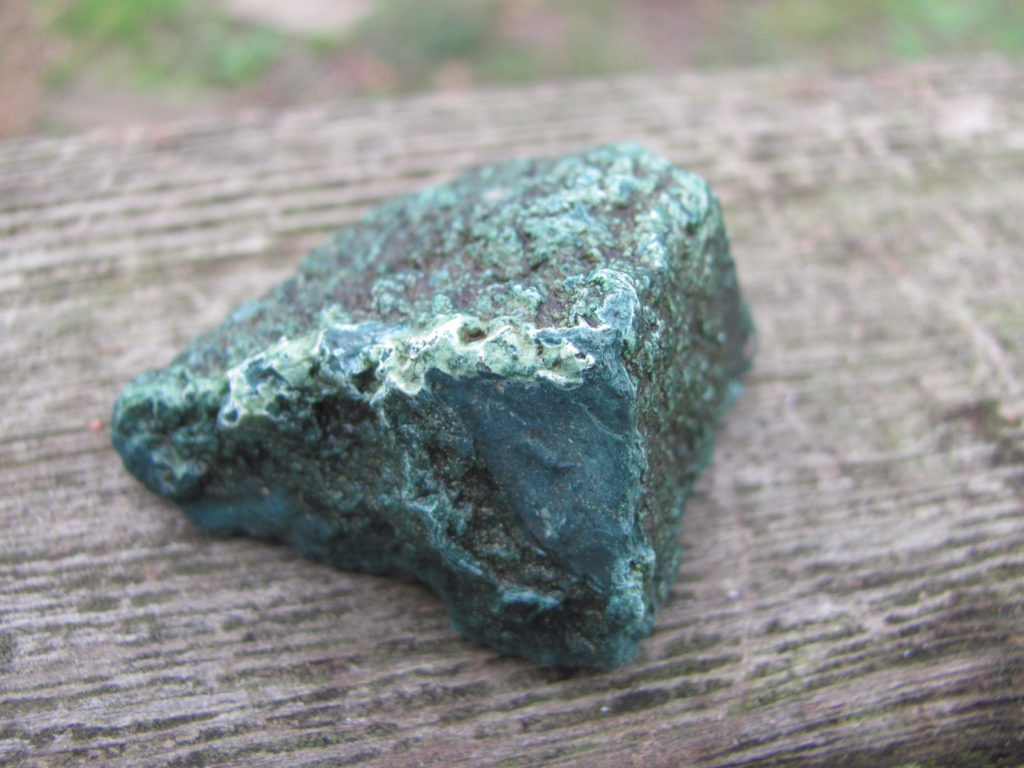
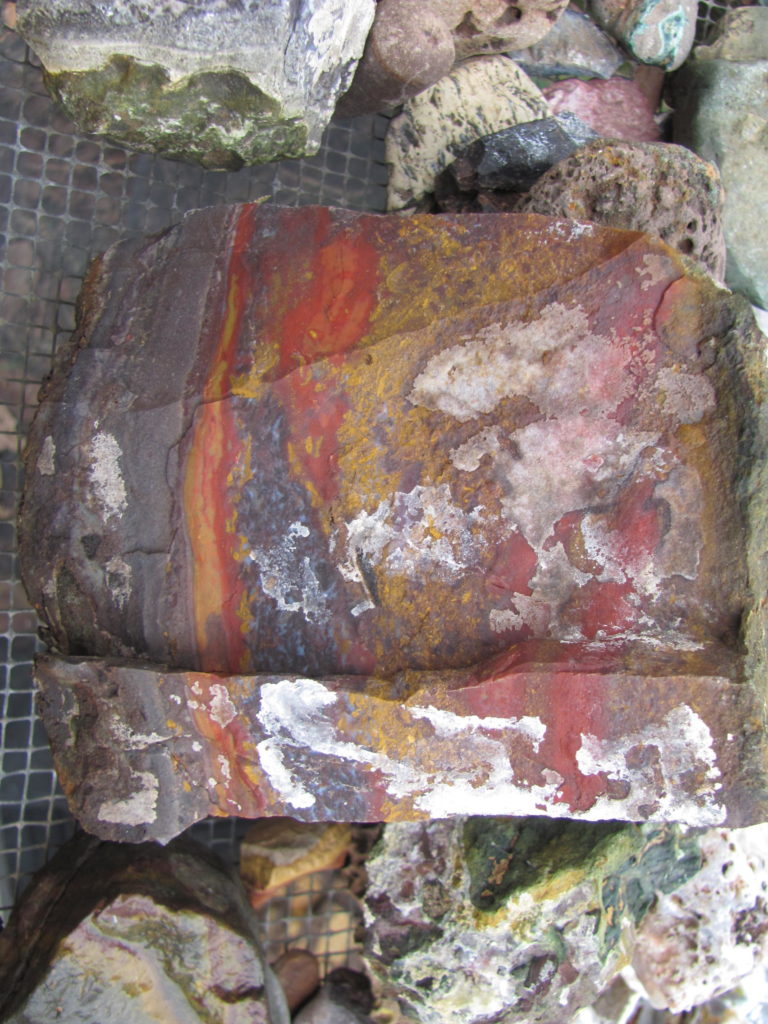
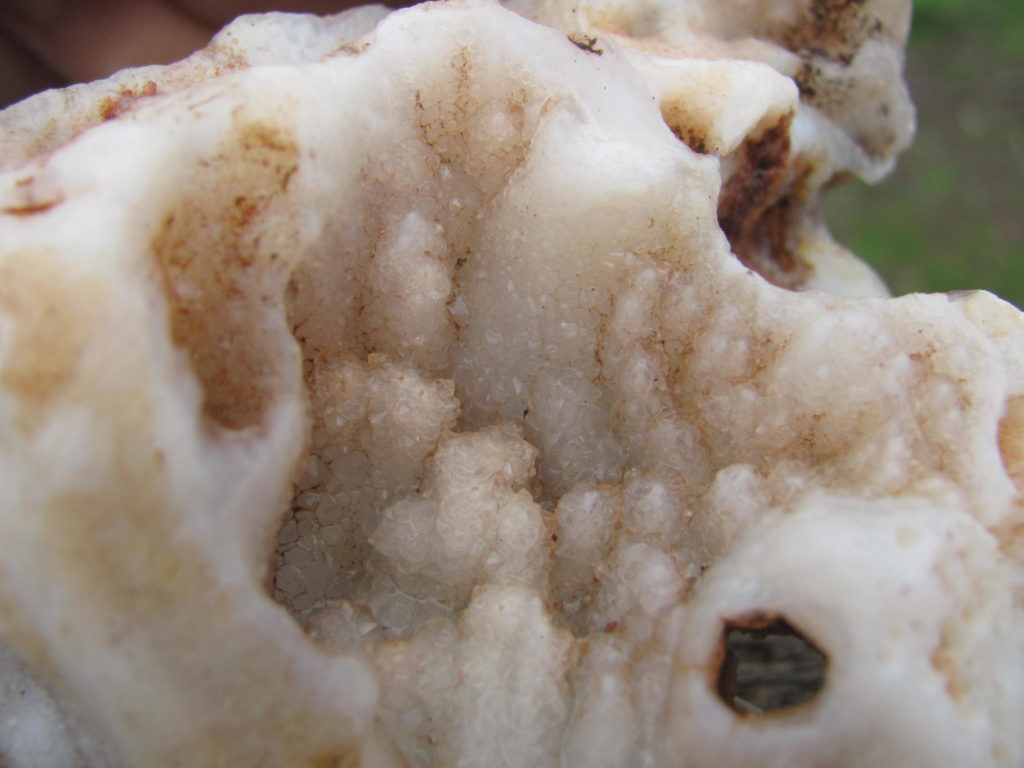
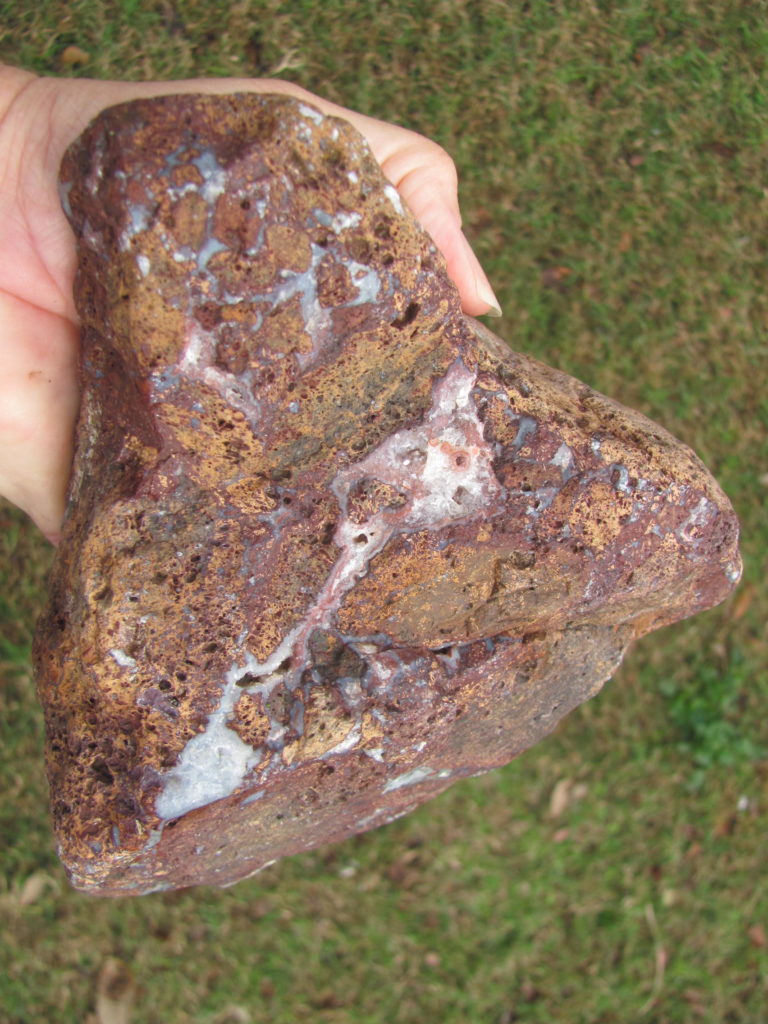
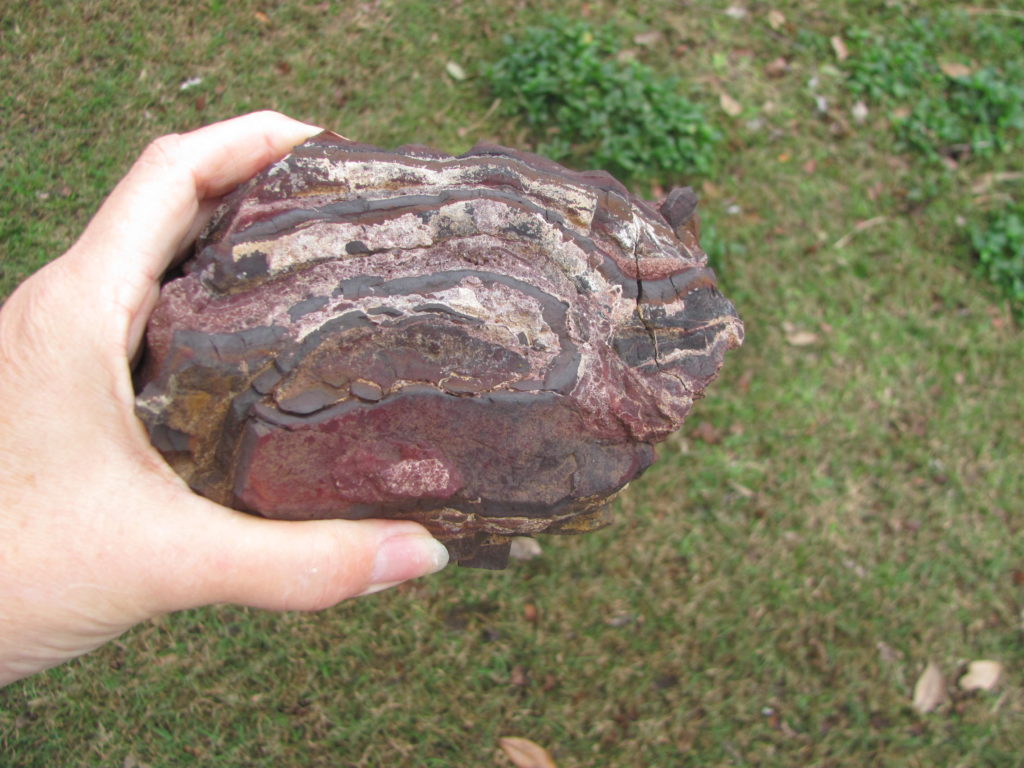
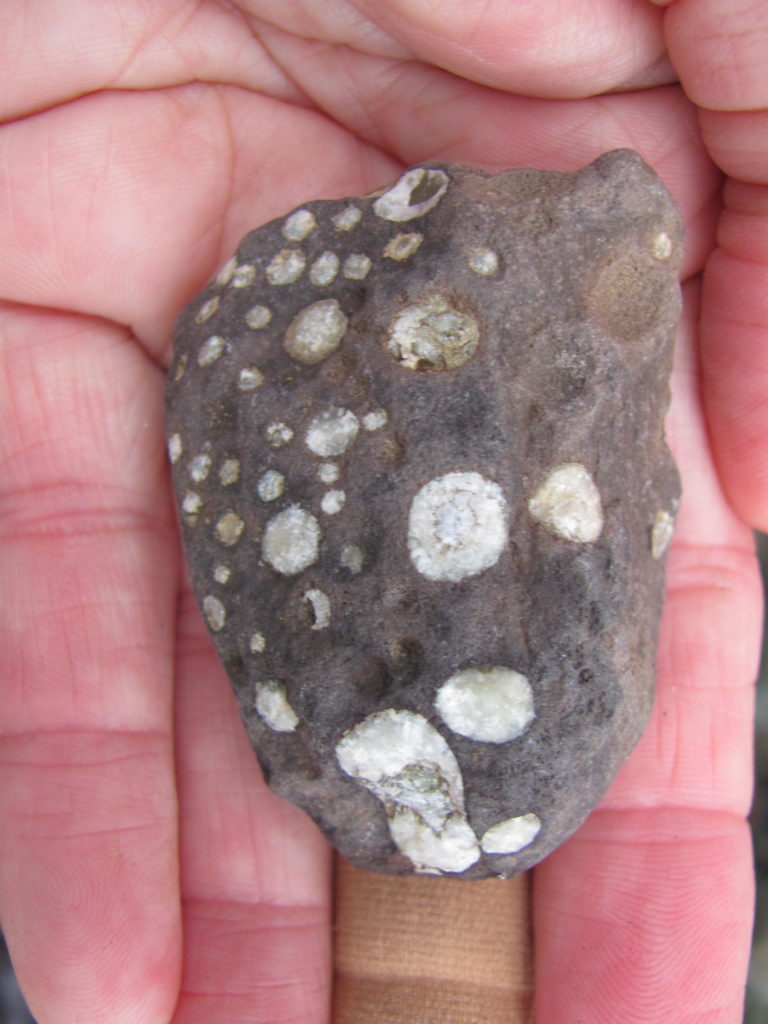
We spent a couple of hours driving and searching. Not just Hwy 118 but some of the surrounding roads held some awesome rocks. We came home with a bucket full of beautiful stones. Agates, geodes, calcite, chert, jasper, chalcedony, picture rock and lots of others I don’t know. I will likely be trying to figure out what some of them are for months.
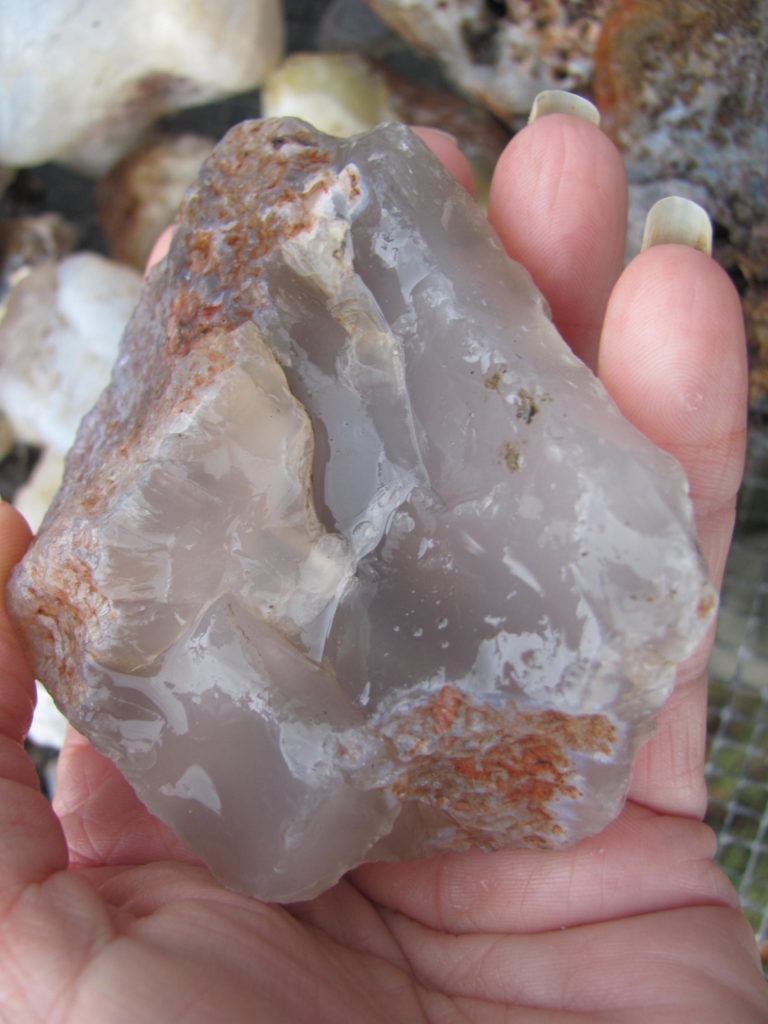
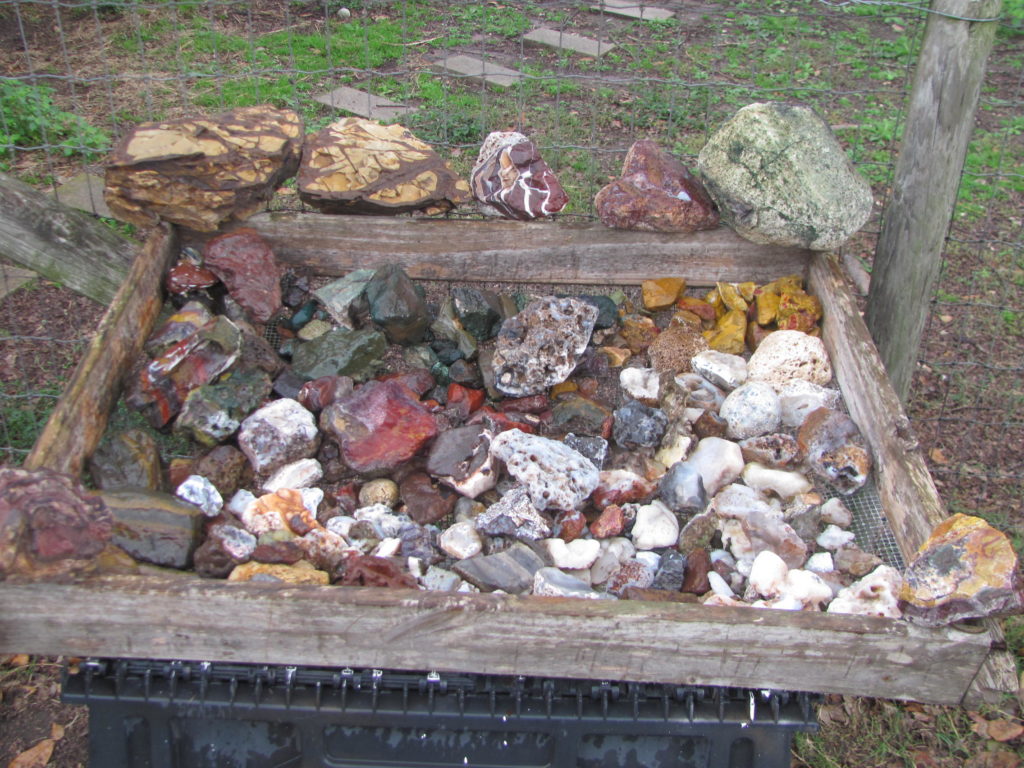
I saw that Elephant Mountain WMA had over 3,500 applicants last year and that there were only 4 permits available this season. Chances of us drawing two of those 4 available permits was beyond slim. Perfect. So, with minutes to spare, I completed the on-line form and sent it on its way.
A few days later I opened up my email to discover that we had miraculously been picked for the Elephant Mountain hunt! This would be my first mule deer hunt in over two decades and Steve’s very first try at a mule deer. Not to mention getting to see a new part of Texas. We were excited!
To add to the specialness, the first day of the hunt would be on my birthday.
Elephant Mountain is located in West Texas about 20 miles South of Alpine, Texas. Since Alpine was so close we elected to stay there instead of tent camping on the WMA.
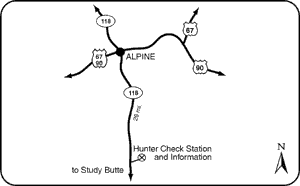
The trip to Elephant Mountain would take us about 10 hours. Instead of driving it all at once we left a day early and drove to Sonora, Texas and stayed the night. The next day we drove the rest of the way to Alpine. The country there is rugged but beautiful with lots of wildlife.
Of course, since we drove all that way, and Marfa, Texas was only a few miles further, we had to check out the Marfa lights. That side adventure is here.
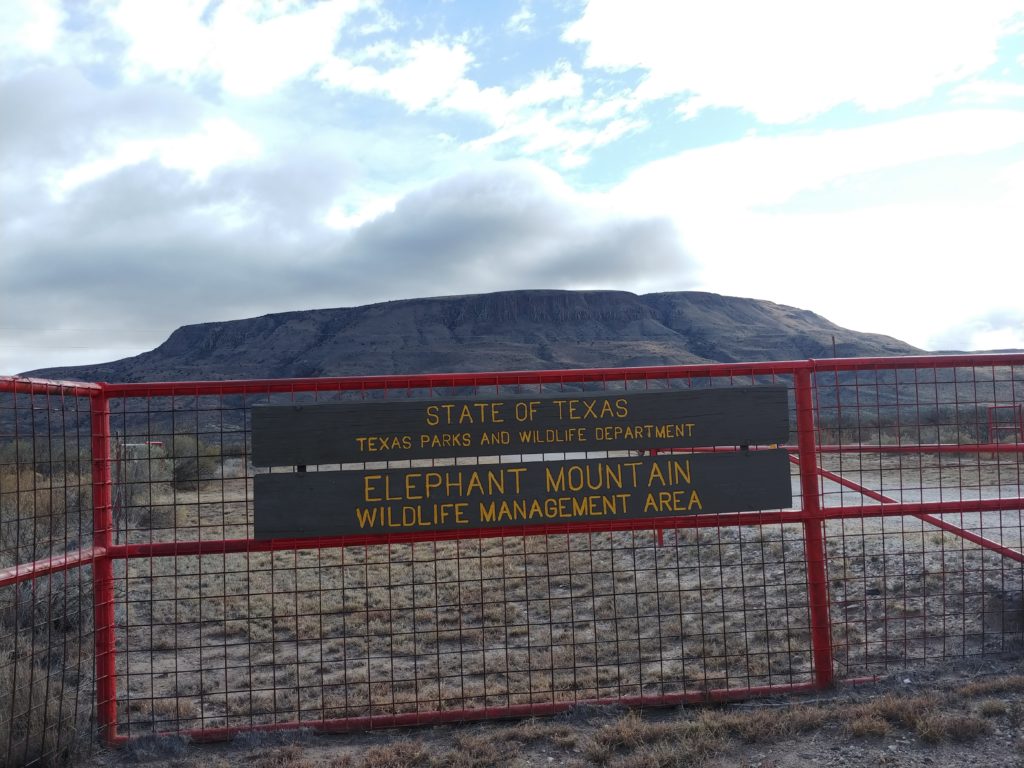
Elephant Mountain WMA consists of over 23,000 acres. The mountain itself rises nearly 2,000 feet above the surrounding area. Ground level here still sits between 4,800 and 5,300 feet above sea level.
Vegetation is mostly desert scrub and grasslands with juniper, pinyon and oak trees scattered around and in larger pockets.
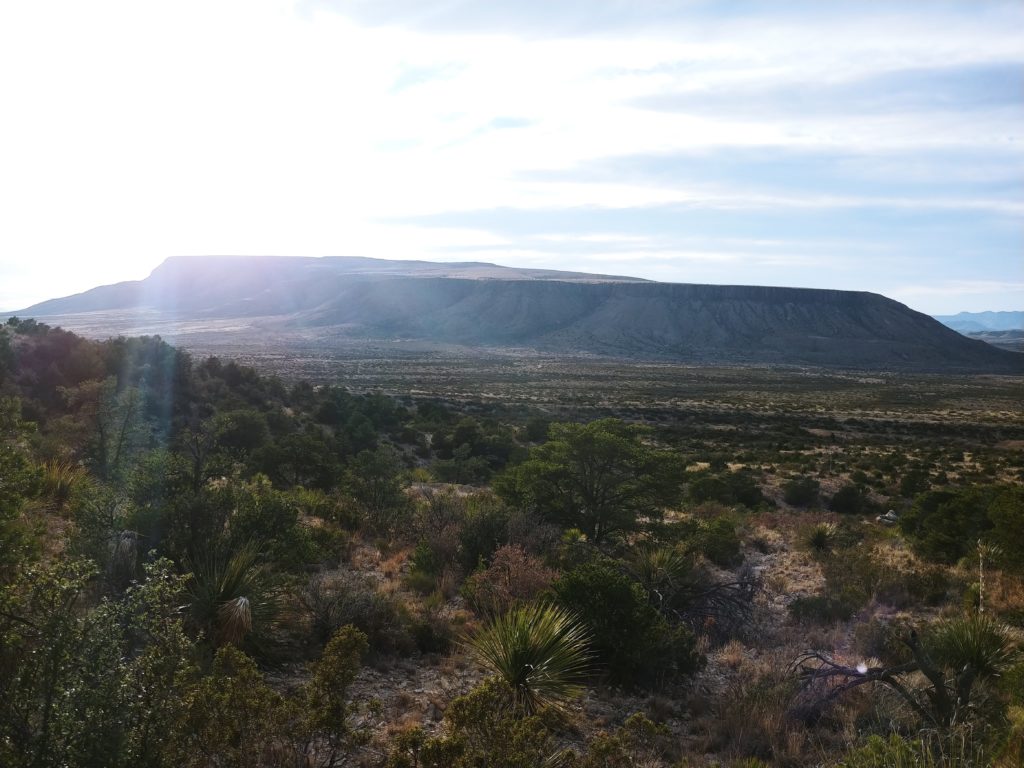
The first day of the hunt was clear, almost painfully bright, and only a little windy. After checking in we were assigned our compartment. Dewy Stockbridge, the Hunt Coordinator, told us that had seen a couple of decent bucks working a doe in our compartment. He showed us on the map where they were last seen and wished us the best.
For this hunt we would each be allowed one buck each. It could be a whitetail buck with no antler restrictions, or a mule deer buck. The mule deer had to have an outside spread of at least 18 inches or have two points or less on one side. We could also take one elk each if we happened to come across any. In addition we were allowed unlimited feral pigs and coyotes.
Our compartment was located on the “back side” or north side of Elephant Mountain. It was about a 20 minute drive through back roads, some of them pretty rough, to get to it.
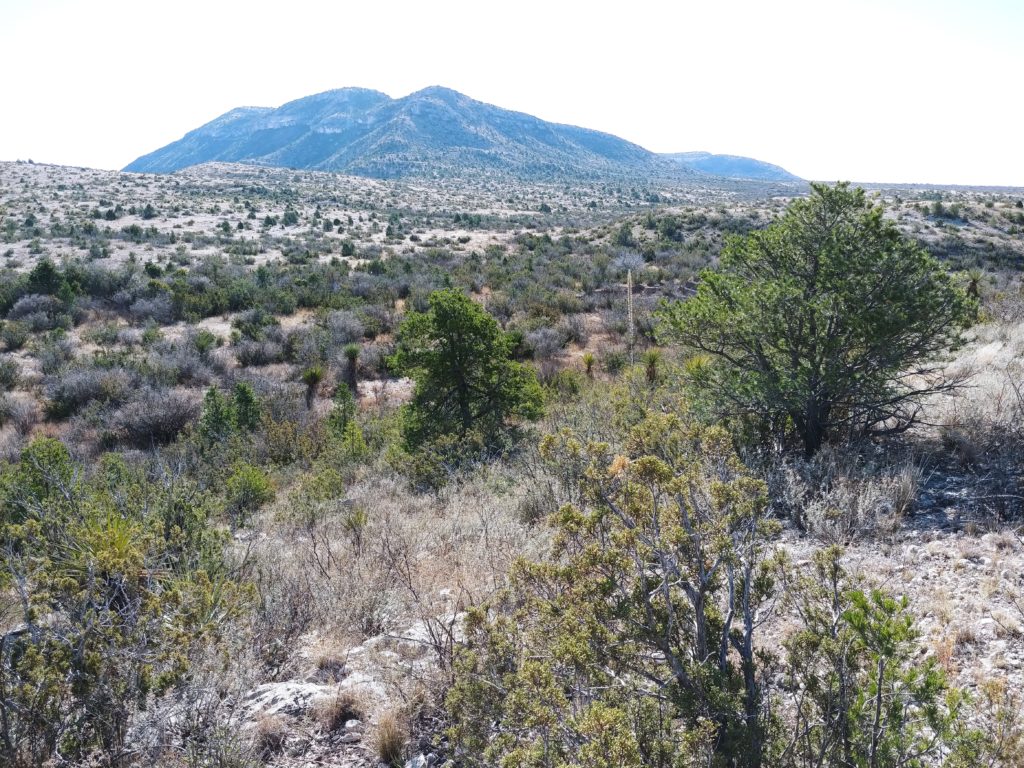
Right after entering our compartment we came across these two whitetails. On almost any other public hunt that buck would be tempting and we could have easily taken him. But we were looking for mule deer bucks so this guy got a pass. Still…
Tempting.
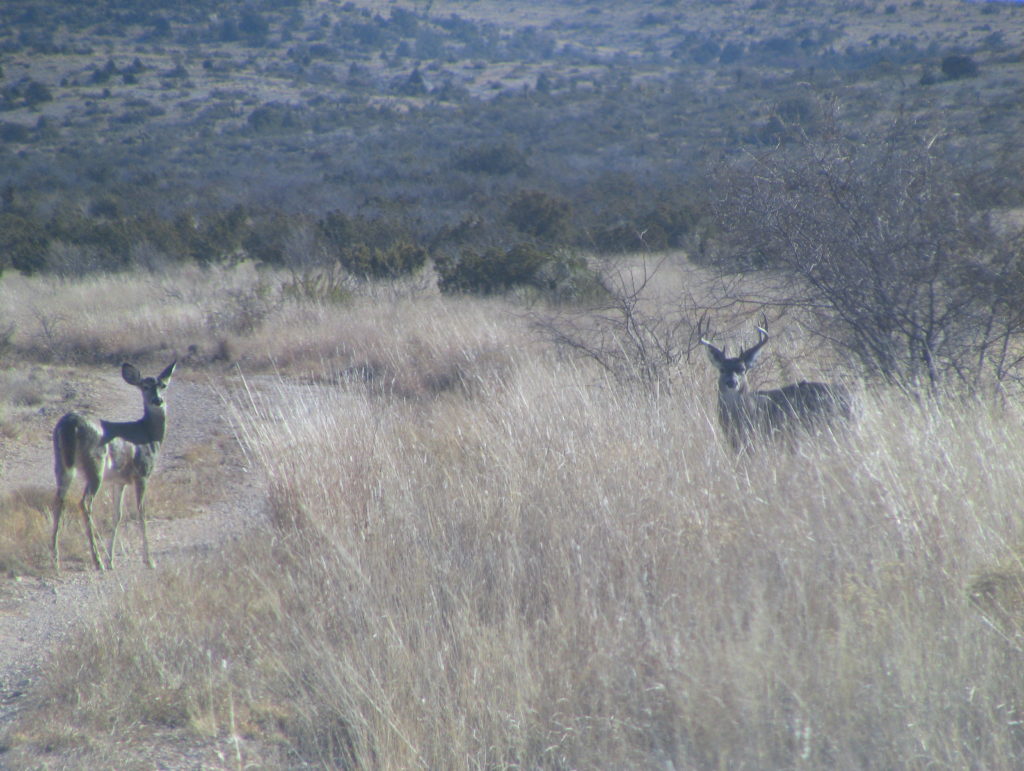
Video
Once we got to our area we drove to the furthest corner near where we thought those bucks had been seen the day before. Just as we were about to make a decision on where to go next Steve spots something BIG cross the road. We parked the truck and bailed out to see what it was he had glimpsed. After cresting a ridge we saw a very nice muley buck on the next ridge over. He was on a mission and walking steadily away. I tried to get closer and actually got within shooting distance twice but I was so winded from climbing the ridges I couldn’t steady my gun well enough to make a shot. And there was no way I was going to try a marginal shot or fancy neck shot. We tracked that buck for over a mile, up and over rocks, hills and ridges. He just wasn’t stopping.
I made the decision to go back to the truck and try to get in front of the buck. The truck was pretty far away at that point and we were tired. Remember, ground level there is almost a mile above sea level in places. For us coastal flat-landers the going was… well… slow.
We got back to the truck, eventually, and checked the maps to see if we could find a road near where the buck was heading. Since it had taken so long for us to return there was no telling if we would be able to find the deer again. We picked a road that looked likely and scraped our way in the general direction the buck was last seen.
Note to future hunters:
Take a 4WD truck that you are not worried about the paint job on. Just sayin’.
After the obligatory number of dead ends and wrong turns we finally found a road that looked to head in the general area of where we thought the deer might have been going. It was pretty much all guess work and prayers at that point.
Was I ever surprised to top a ridge and see the buck only a couple hundred yards away feeding in some scrub. Somehow we had stumbled across him again.
We parked the truck and began working our way into the wind to get into a better position to take a shot. The buck was slowly foraging up a ridge and unconcerned about our presence. He knew we were there, he just didn’t care. I closed the distance to about 75 yards but had to wait. I wanted a nice clear broadside shot and most of the time he had his hindquarters toward me. He finally turned and I let him have it. The shot was good!
At the sound of the shot the brush around the buck exploded with deer. Three other smaller bucks and a doe we hadn’t even seen came boiling out. They boinked their way to a distant hillside and disappeared.
Yep, I said boinked. Mule Deer have this way of pogo-stick hopping that is almost comical. It’s like they have springs on their feet. I’m telling you they boinked away. I swear I could hear it. Boing, boing, boing.
My buck ran about 50 yards before crashing. When we got to him I looked over to see a road not twenty yards away! And it was a good thing too because that deer was BIG. We are used to dealing with deer a bit smaller than this guy. A 100 pound buck was considered huge where we usually hunted and this fellow was pushing 200. We were not looking forward to dragging him all the way back to the truck. Now we wouldn’t have to. I gutted him then Steve brought up the truck. It still took both of us and a lot of grunting to load him up but we got it done. I had just killed my biggest mule deer buck ever! This was the first day and we had only been hunting about three hours.
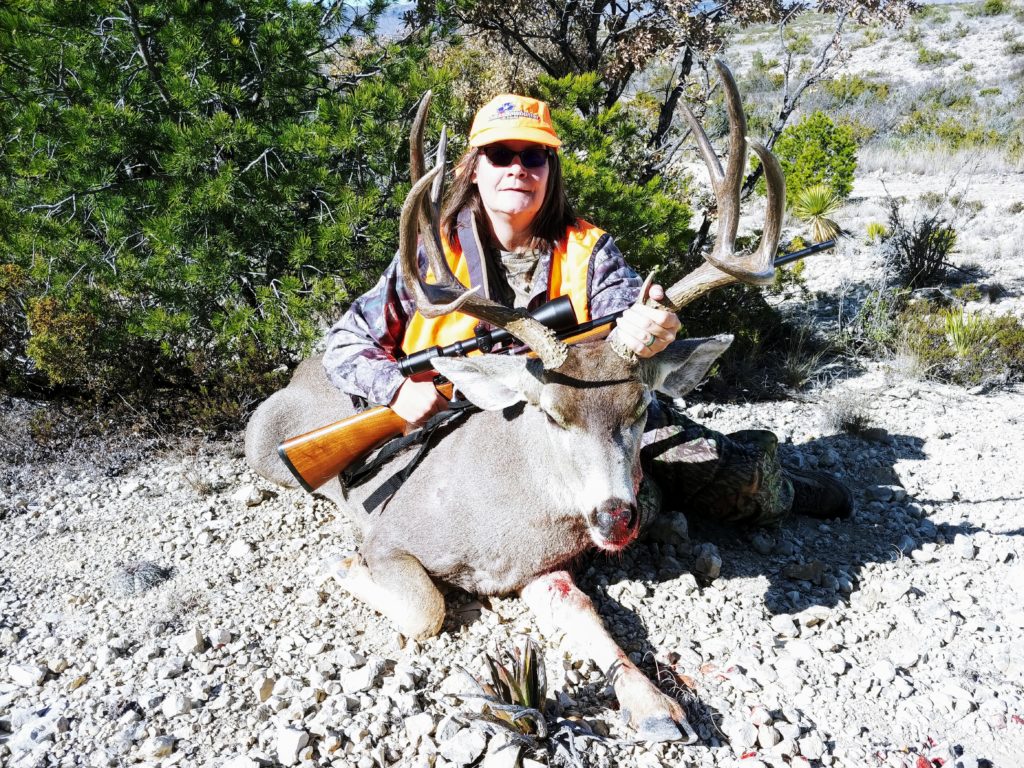
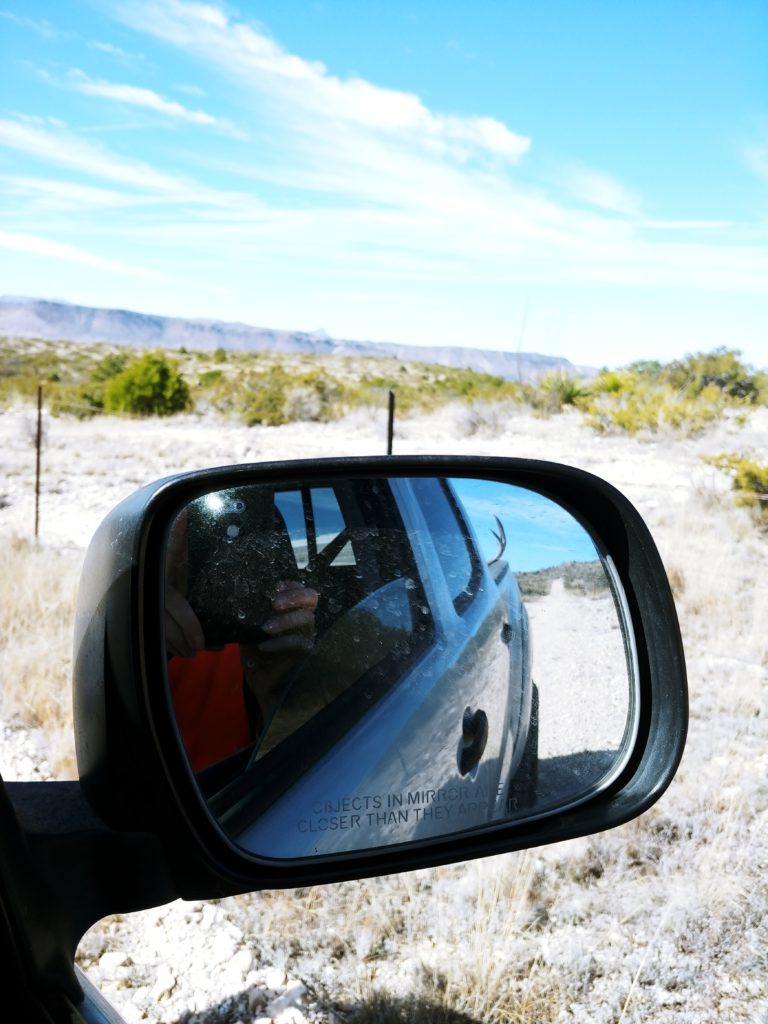
We took my deer back to the check station to get it logged in. Having an electric hoist for processing and a walk in cooler to put your deer in afterwards is awesome!
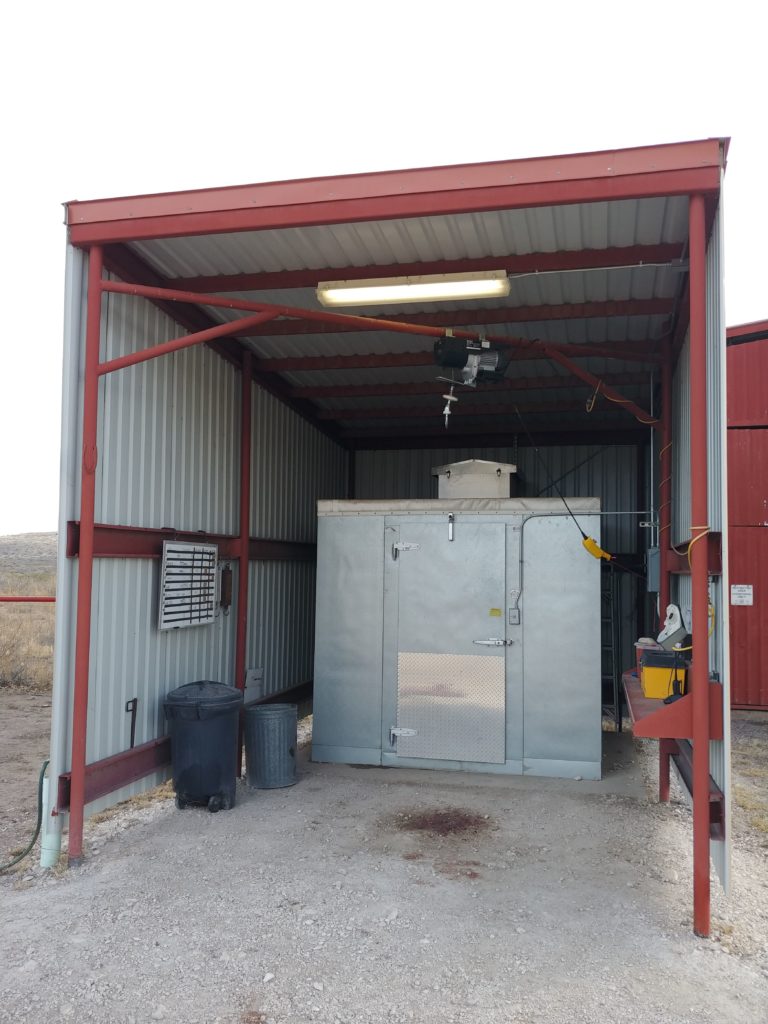
Dewey, the hunt coordinator, had told us exactly where he had seen the deer the day before, we listened, and it paid off. We have learned to pay close attention to anything the hunt managers say. They are the ones who work the property all the time and know the animals and terrain intimately.
As he was looking over my deer, Dewy recognized it and said he was definitely one of the ones he had seen the day before. We told him about the other deer we had seen with my buck. Dewey said that the deer we had scared after the shot shouldn’t go far and that there was likely still a nice buck with them or close by. Our ears definitely perked up.
With my deer taken care of we headed back to try and find the deer we spooked and see if there was another good buck with them. Knowing where the deer went is one thing. Trying to find a road heading even remotely close to that direction is another. We finally found a road near the hillside where we last saw the deer. We got out and glassed for a long time before finally seeing a buck on a different ridge line. He was young and small but nice looking. He would likely be a very nice deer next season.
We watched him for a long time and then finally saw a second deer. It was a spike. Both bucks were intently watching a clump of juniper trees. We kept an eye on them and waited. When a doe walked out from behind the juniper we were pretty sure these were the deer we were after. Still there was no sign of anything bigger. Not discouraged we kept glassing. Finally we spotted a much larger deer. It had a huge body and the main beams were longer than it’s nose. But when it turned its head toward us it was evident that, while his antlers were indeed long, they were not near wide enough.
Dang it! After watching the deer bed down we decided to keep moving and see if we could find something a bit larger. The next ridge over held what we were looking for.
We had just parked the truck and Steve took his camera and headed out to get some nice shots of the area. I took my binoculars and glassed around. Within a few minutes I found a decent deer. He looked a lot like my buck. I called Steve over and he traded his camera for his gun. We spotted a couple more bucks and some does. Surely there was a big deer around. Then I saw him. A huge bodied buck with nice antlers walked out from behind some brush. He was definitely wide enough. He even had that white face older mule deer bucks got.
Steve didn’t hesitate and quickly settled the cross-hairs on him. One long slow breath out and he squeezed the trigger. The buck kicked and then dropped. While I congratulated Steve on his shot the buck got back up. Steve hit him a second time and the buck stumbled then went down for good.
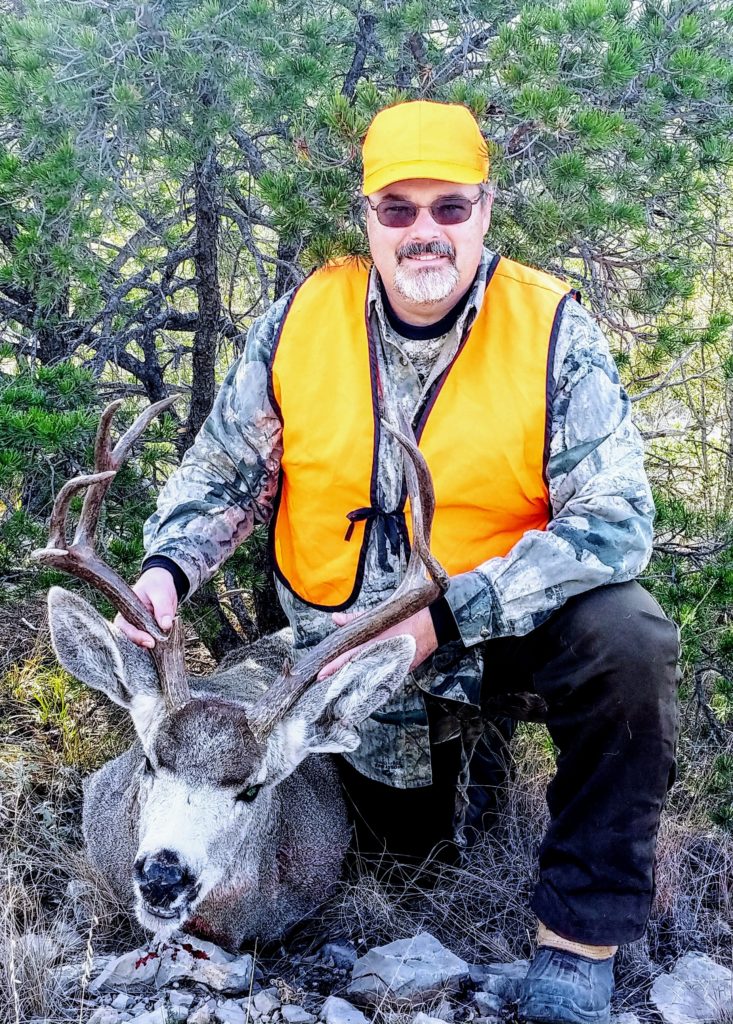
Steve’s very first mule deer buck had a much bigger body than mine and, even though it doesn’t look like it, was wider. His buck came to rest far from the road but it was all downhill and it didn’t take too long to gut then load him up. And just like that we were done. The first day, with hours left, we had both gotten nice deer on public hunting land. ON MY BIRTHDAY!
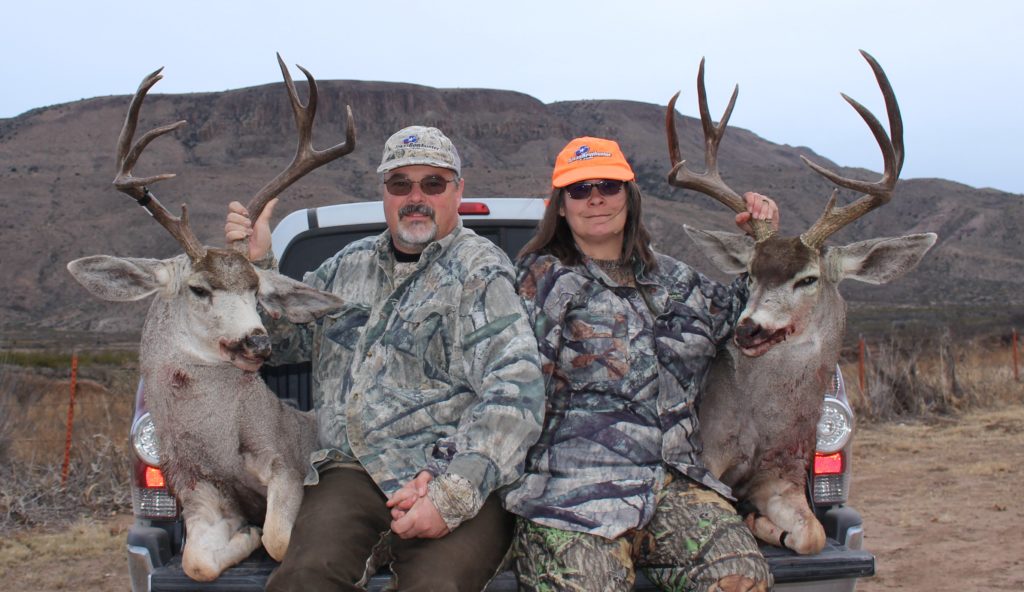
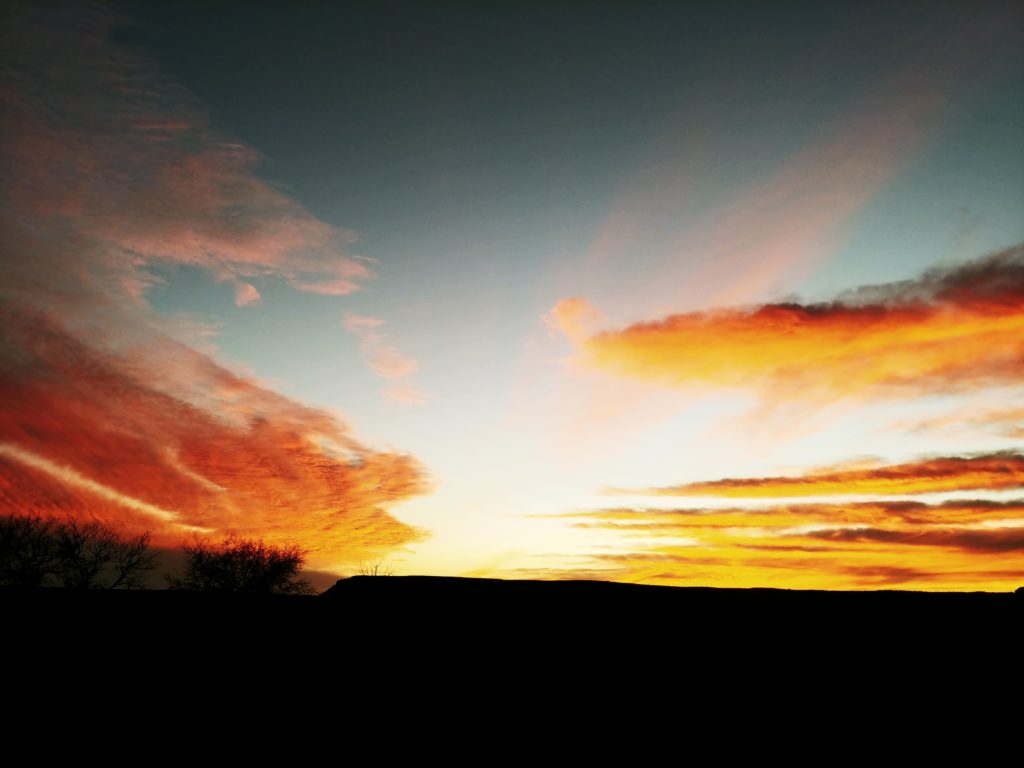
Now that we had both gotten our deer, the next day we turned our attention to the possibility of taking an elk. Dewy told us that a small bull was often seen in our compartment and gave us some pointers on where to look. Steve had never even seen an elk in the wild and would love the opportunity to get his hands on one. Not to mention that they are very tasty.
______________________________________
It is at this point I would like to add a side plot to this story. The first night after the hunt I woke around 3 am to a sharp aching pain in my throat. The next morning my lungs were bubbling and my sinuses were on fire. I was miserable, coughing horribly and running a slight fever. It turns out that the predominant vegetation in our hunt area, and pretty much everywhere else, is juniper (Juniperus ashei) AKA “mountain cedar”. The day before, while huffing and puffing our way over hill and dale, I was sucking in huge lungfuls of the crap. This time of year it was in full “bloom” and blanketed the area in vast amounts of pollen. I was learning painfully that I am very allergic to juniper pollen. I would continue to suffer for several weeks afterward.
______________________________________
That second day the weather had turned, it was overcast, cold and the wind had picked up stirring up even more juniper pollen. Oh joy. The last thing I felt like doing was hiking all over that blasted mountain, breathing in even more of the accursed pollen, looking for an elk that may or may not be in our compartment. What I really wanted to do was go back to the hotel, climb into bed and curl up into an antihistamine induced coma. But let’s face it, we would probably never get a chance like this again. I would forever regret not trying my very best to find an elk for Steve. I could be miserable in the hotel or I could be miserable out hunting. The choice was obvious. Alas, the only animal we saw was a small whitetail buck which we almost stepped on before it took off. The weather had everything hunkered down and nothing was moving. We also didn’t see any elk sign despite covering most of our compartment. There weren’t even any tracks at the watering holes. It wasn’t looking good.
That day no deer were taken by other hunters. In fact very few hunters even saw a deer. We were very thankful we had taken our deer early since the forecast was calling for more of the same.
As we checked ourselves out that second night Dewey told us that he had seen a spike elk in a different compartment just that morning. No one was hunting that compartment so if we wanted to switch we could. We agreed.
The next day was more of the same. No deer, not that we were hunting for them, and no elk. Our new compartment had a deep mostly dry river bed running through it. We were told the elk love to use the river bed as a highway. We spent all of that day walking and glassing the entire stretch of river bed without so much as a glimpse of an elk. At least the view was nice.
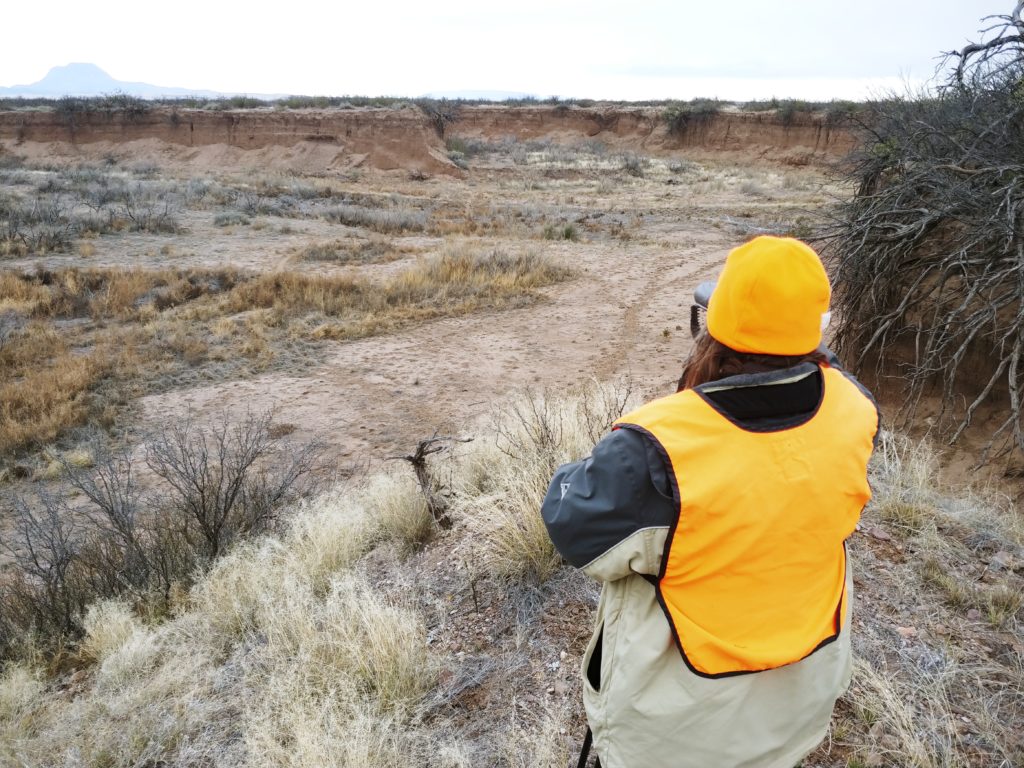
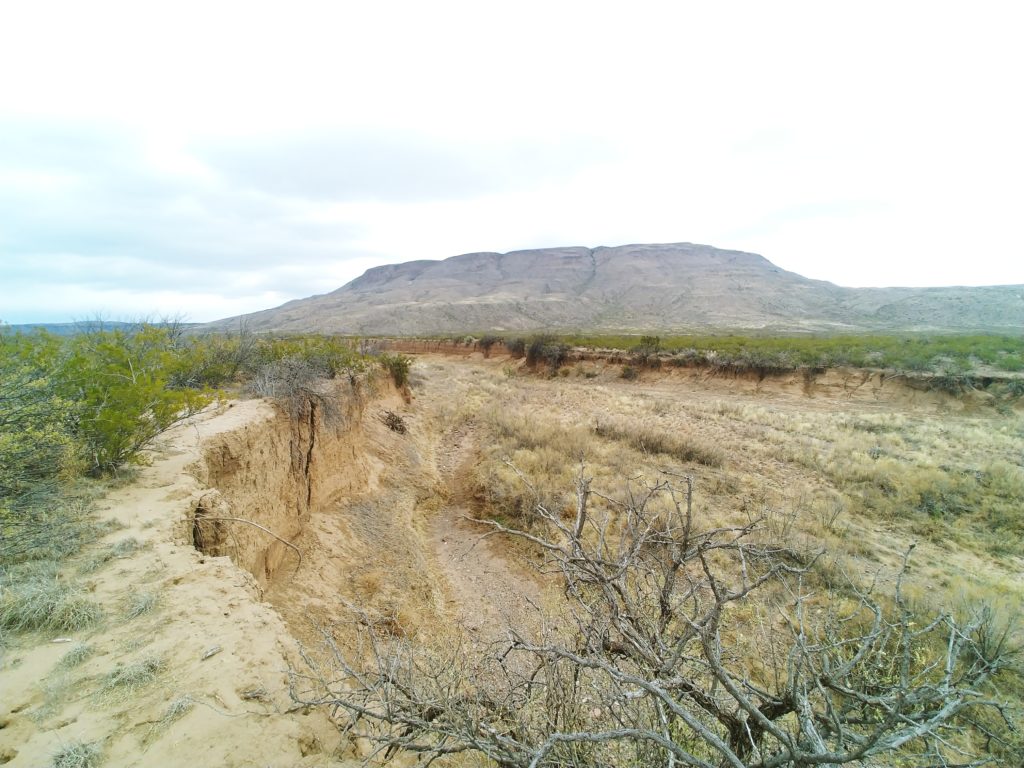
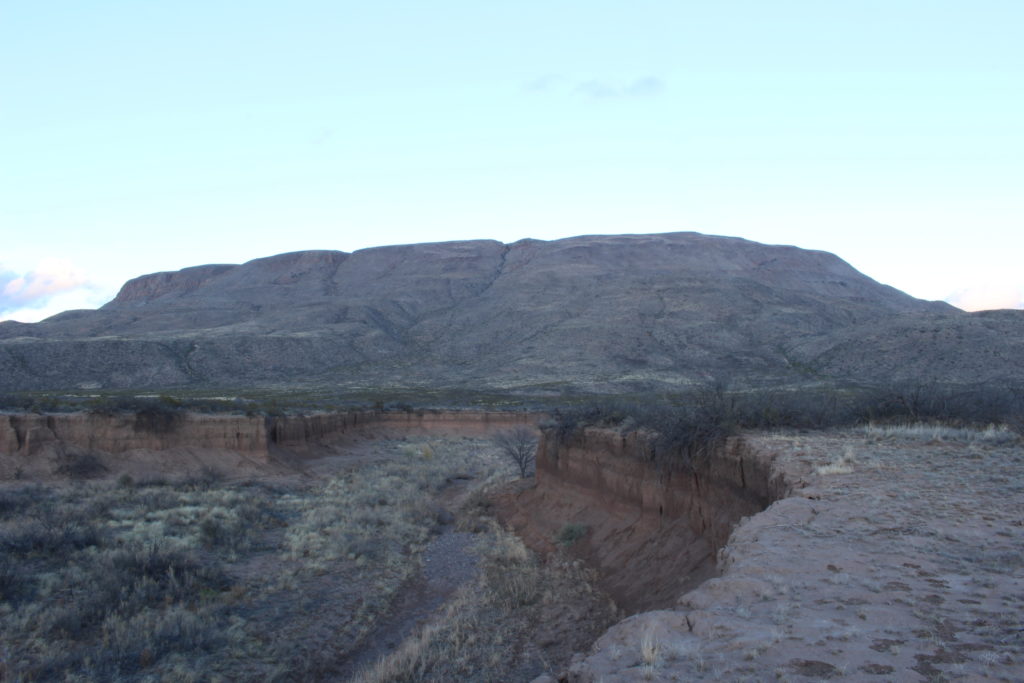
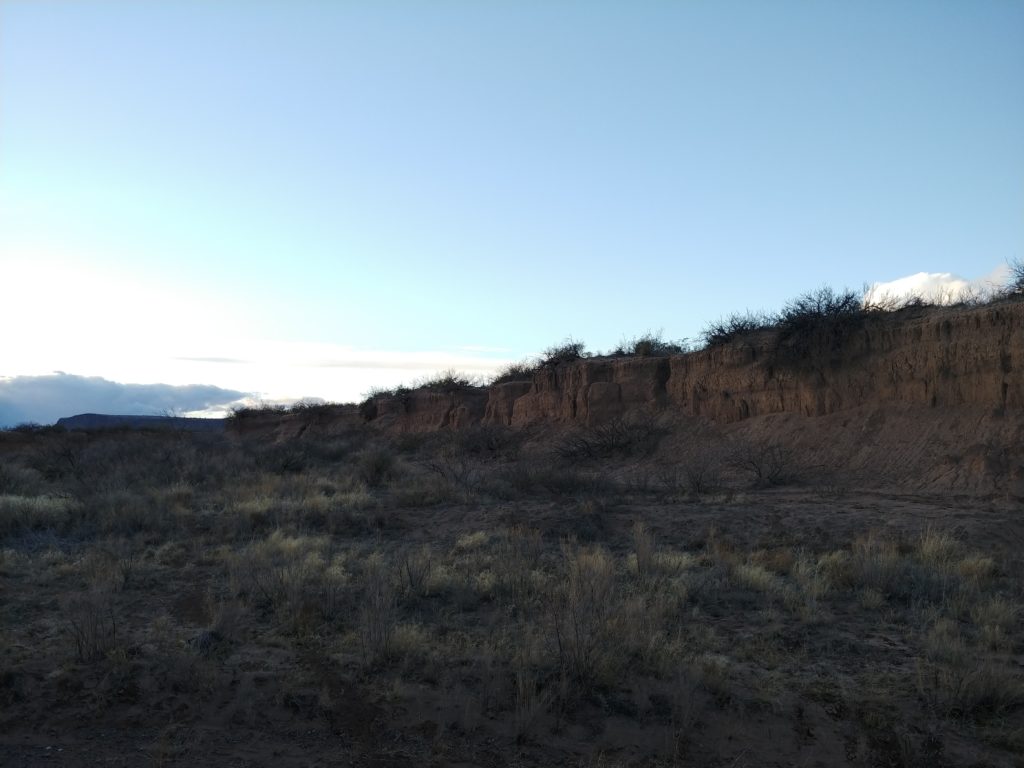
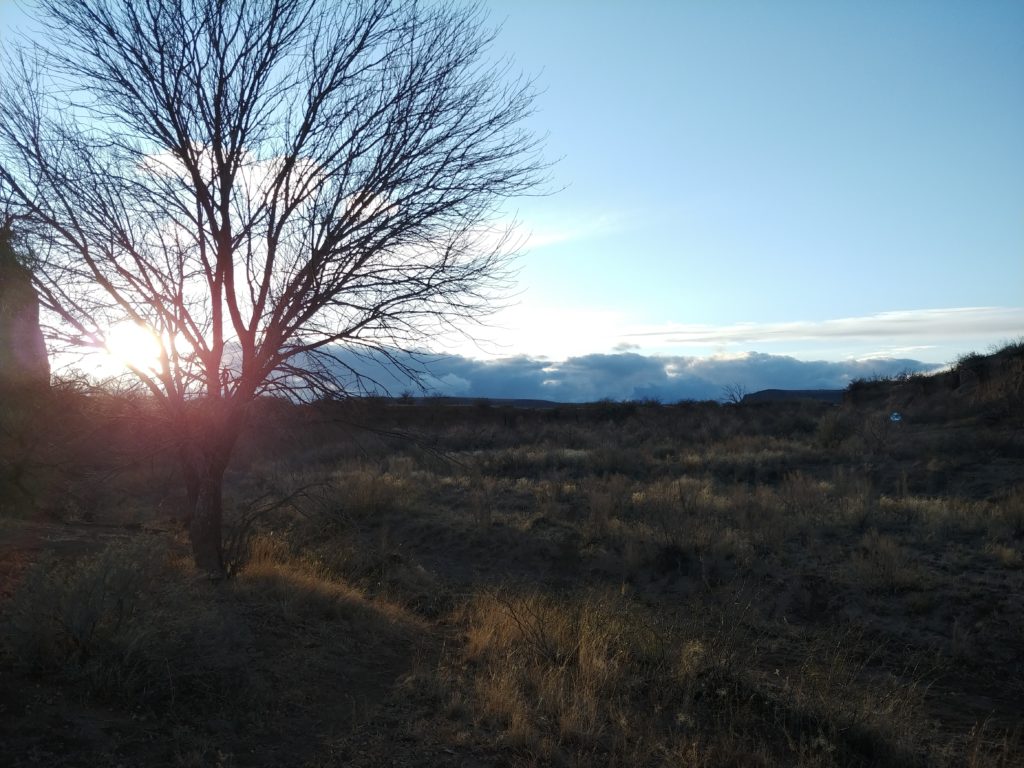
We never did see an elk and Steve was pretty disappointed about that but we were both beyond happy to have gotten two gorgeous mule deer bucks.
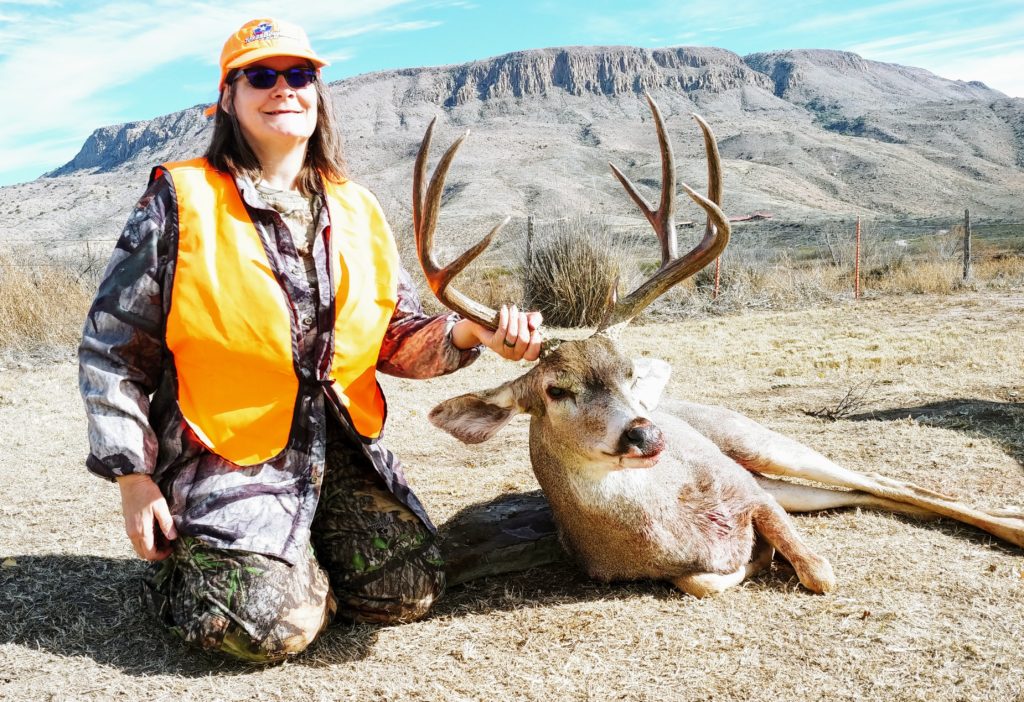
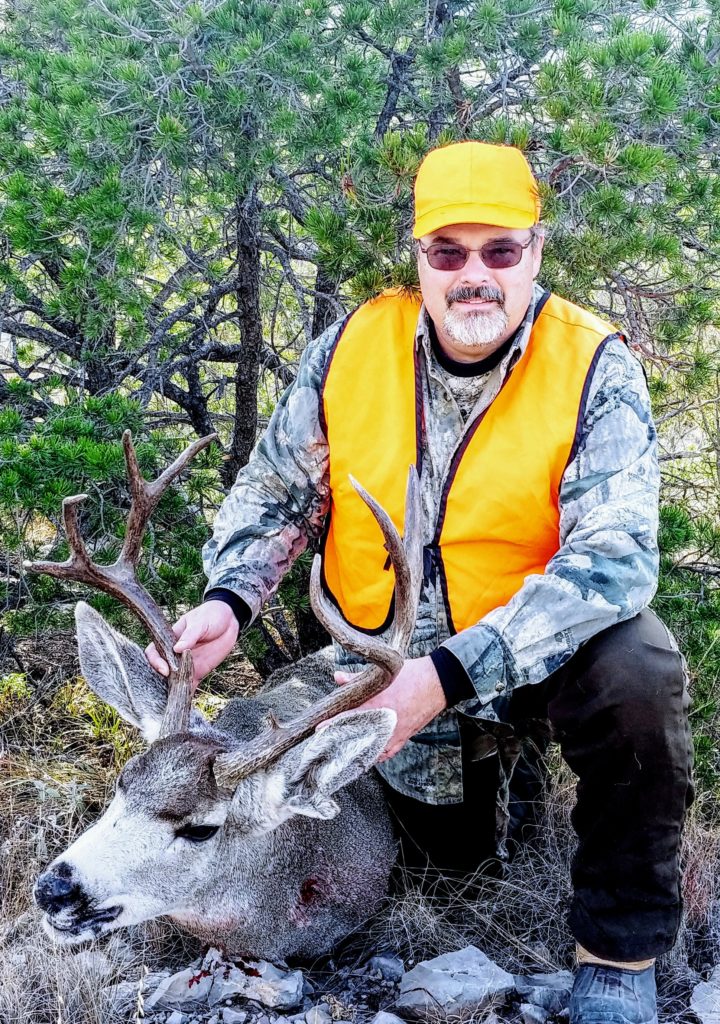
A couple of other hunters also brought in great bucks and left with smiles on their faces. I will never forget this hunt, even though I was sick as a dog through most of it. If we ever have an opportunity to hunt this part of Texas again I know to take my allergy pills way ahead of time.
Thanks to Dewey Stockbridge and the rest of the staff at Elephant Mountain WMA. They did a great job and tried their very best to get every hunter on a decent buck. We are grateful for their hard work and give all credit for our success to them.
Video
For more stories of our Texas Public Hunt Adventures go HERE.
Since we were so close to Marfa, Texas on our Elephant Mountain hunting trip and the fabled Marfa Lights were just a few miles away we had to go check things out.
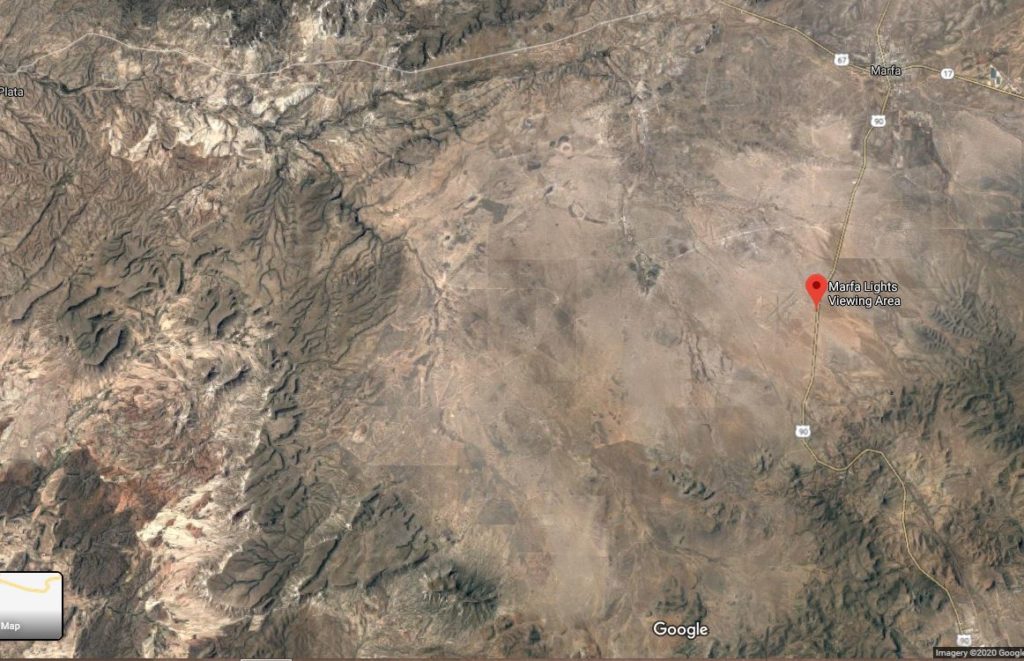
We arrived at the awesome viewing area set just off Hwy 90 between Alpine and Marfa Texas. This wonderful building was placed for optimal orb viewing and had low visibility lights at night to protect your night vision. More importantly for some, it had nice restrooms.
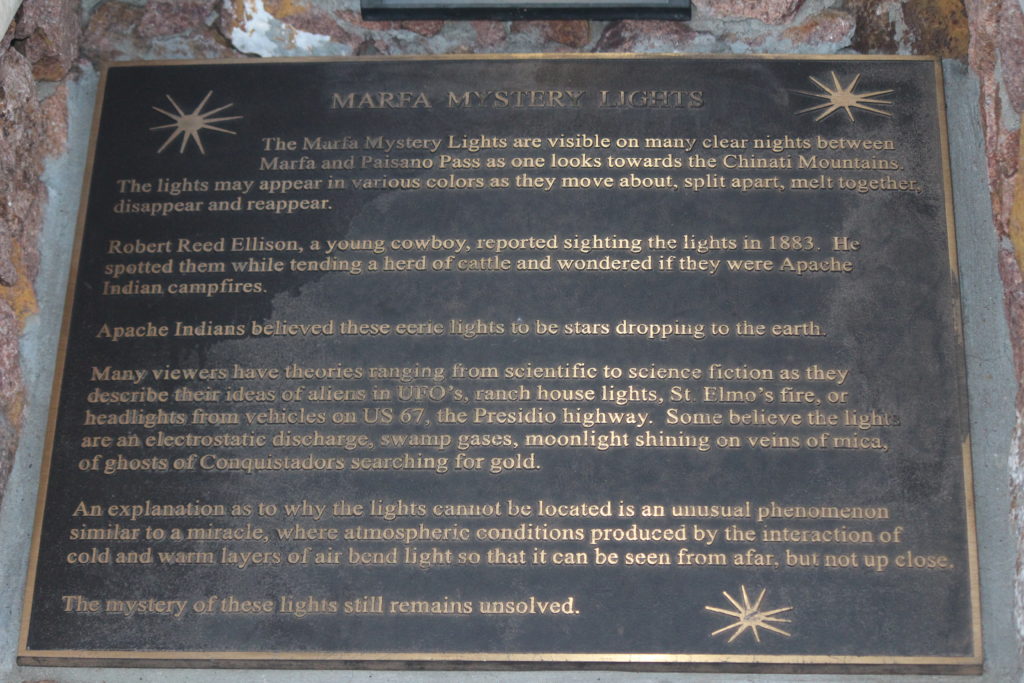
The mysterious lights are said to appear against the mountains to the southwest of the viewing area. There is a red beacon that can be see in the far distance at night and the “true” lights are said to appear to the left of it. Lights appearing to the right of the beacon are, as many suspect, vehicle lights from traffic on highway 67. Hwy 67 is about 20 miles away from the viewing area and the lights from traffic traveling the road appear and disappear as cars and trucks make their way through the mountains and behind terrain.
The “true” ghost lights are said to be rather rare and don’t appear every night.
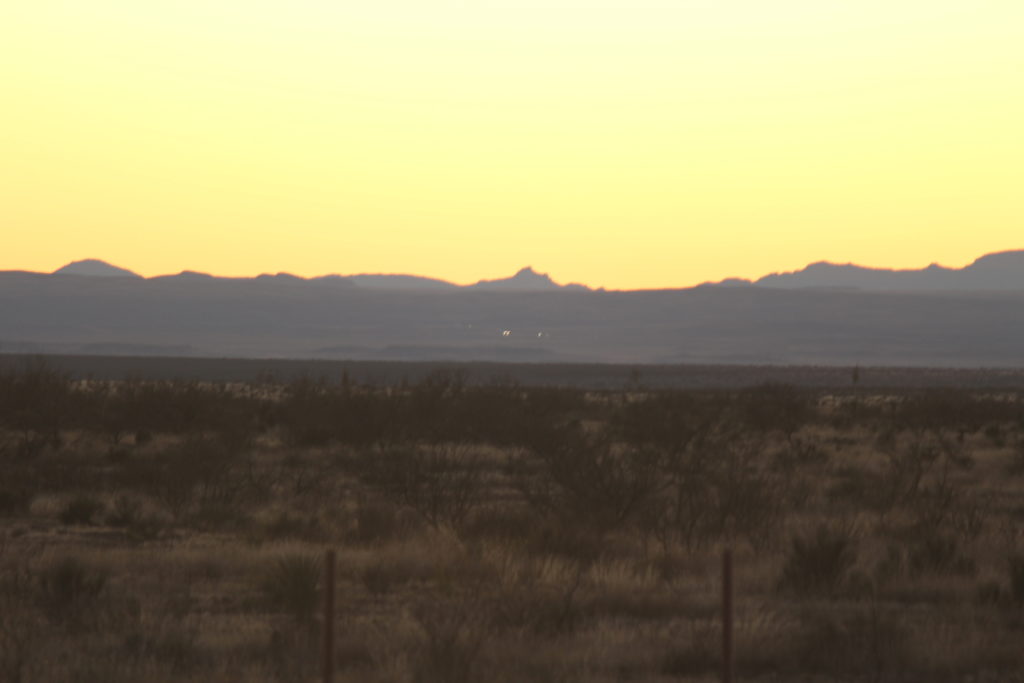
During our visit we may have seen some lights to the left of the beacon. We did however see many lights to the right of the beacon and saw them for the vehicle lights they were. Thinking that was what all the hype was about we were both amused and disappointed.
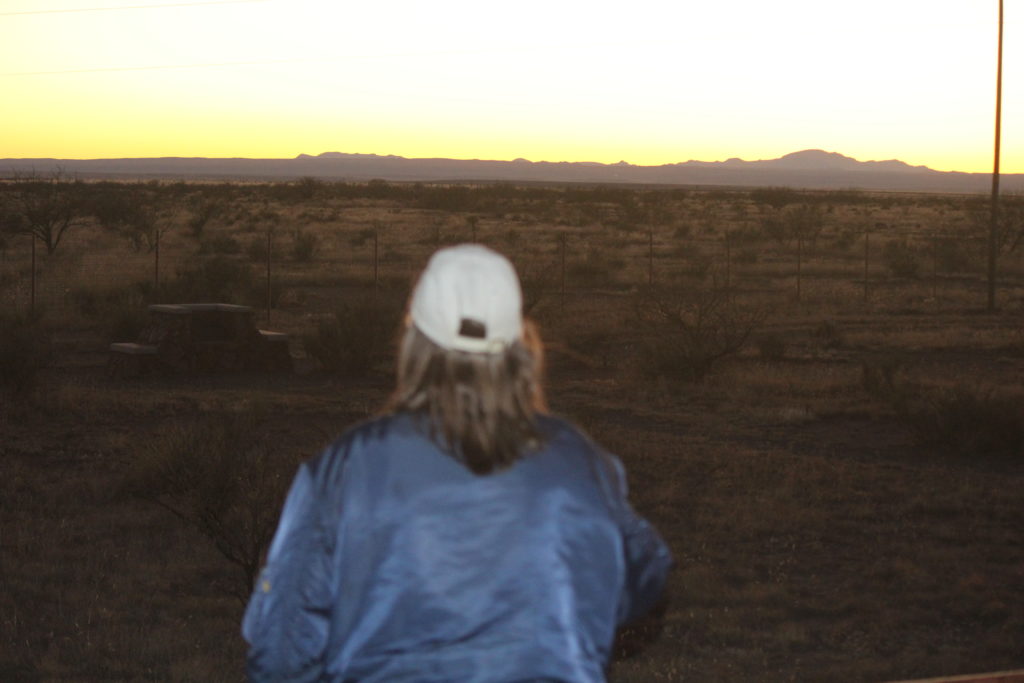
Later we would learn that the “real” ghost lights should appear to the left of the beacon where there were no roads. Unfortunately we didn’t know that then and so thought the car lights were what everyone was calling “mysterious” and “paranormal”.
We had a lot of fun standing on the viewing area platform watching for lights and listening to the people around us. Some were skeptical, some were just there for the experience and others… well there were some others whom I would call “overly enthusiastic”. There were even some “self-proclaimed experts” who knew exactly what the lights were. When one of these experts who was absolutely certain their pet theory was the correct one heard another expert with a differing theory things got, interesting. The amusement value was priceless.
Still, it was worth going and looking. Are we convinced the lights are a true paranormal phenomena? Not really, but neither are we saying it is a hoax. There is definitely something going on there.
Another small adventure done. Steve and I went on a little beach-combing road trip. Our objective was to check out a beach a friend had told me about on the upper Texas coast.
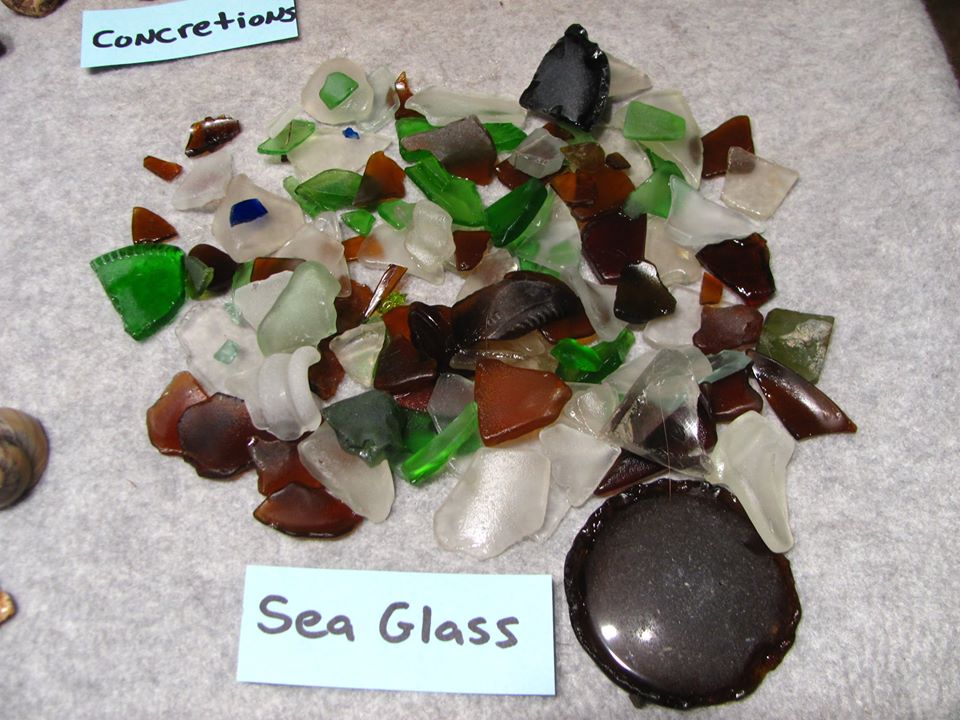
While it took hours to get there and the tide was high, we did manage to find enough beach to walk and found some small treasures.
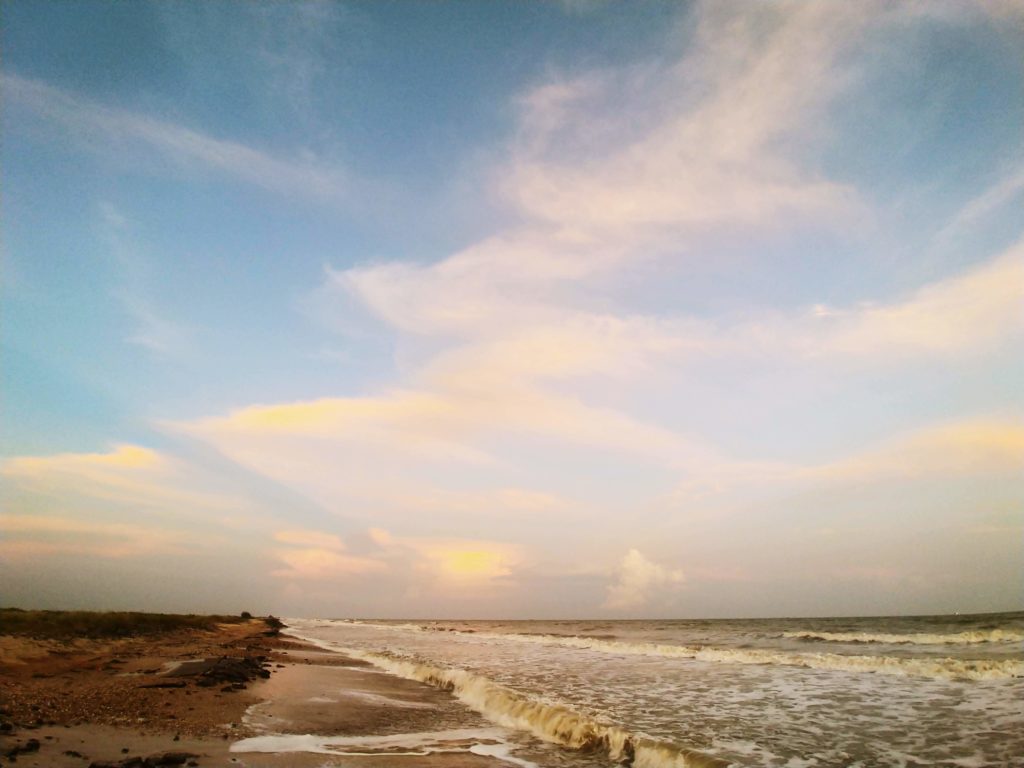
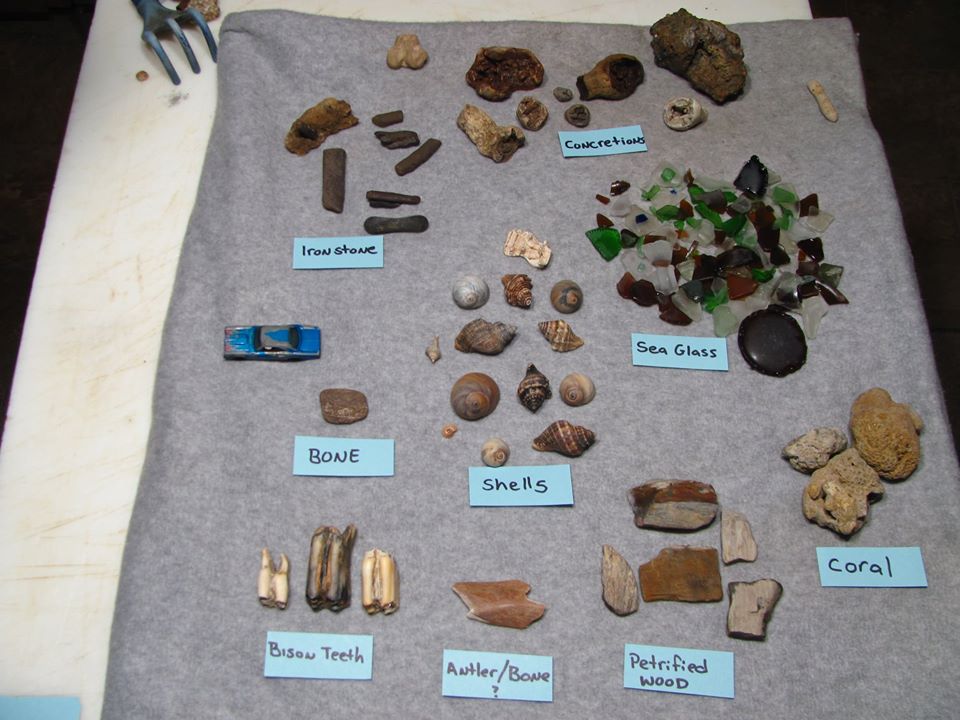
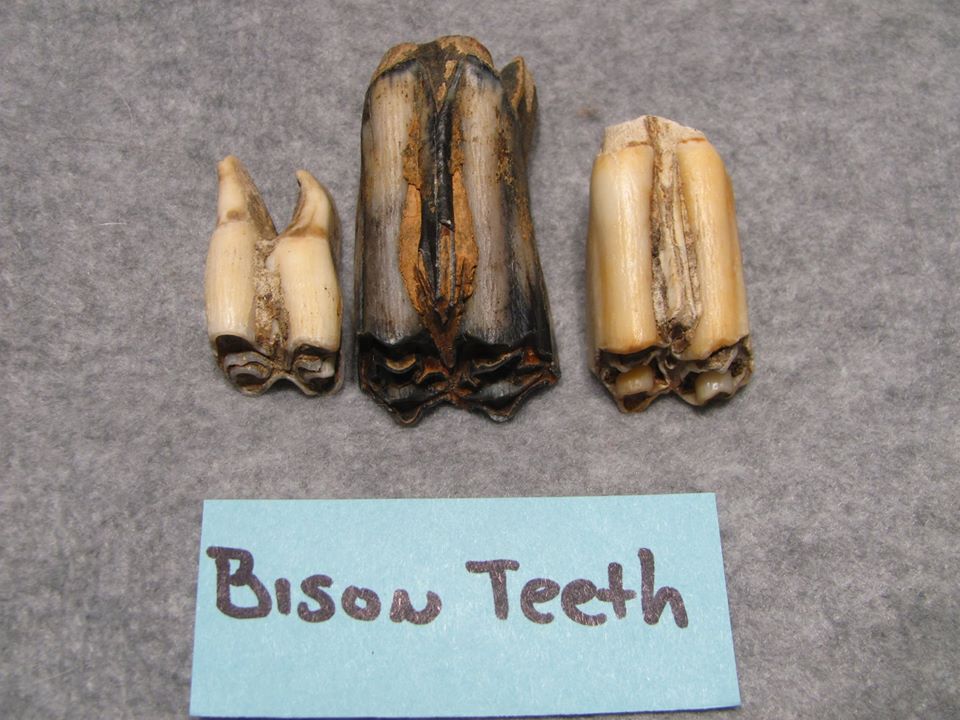
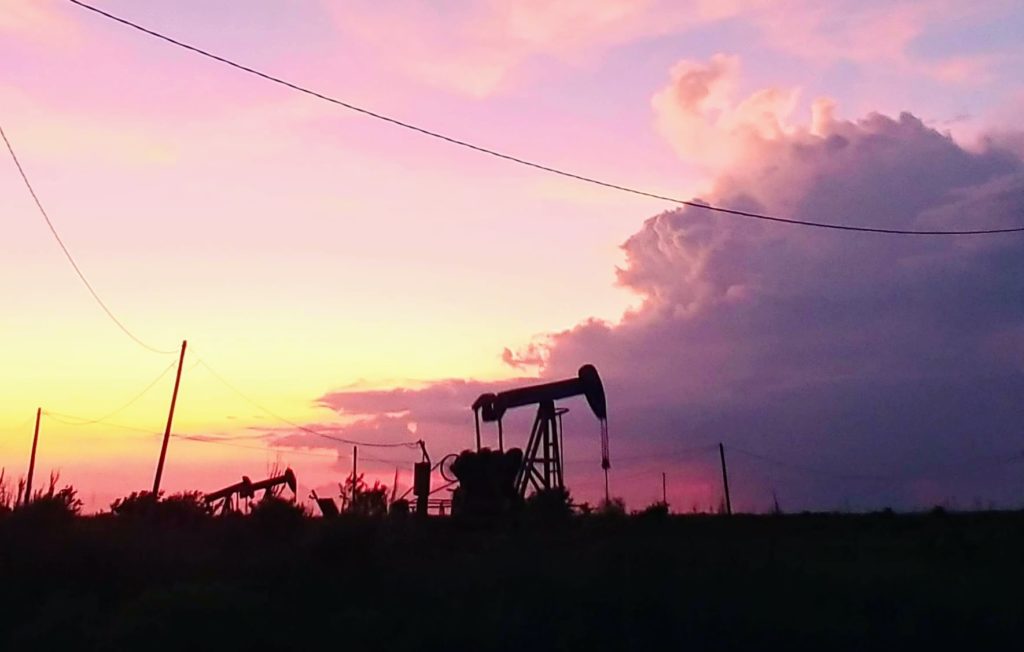
Once we were done we were presented with a glorious Texas sunset
The three of us took a couple day road trip to Arkansas to visit The Crater of Diamonds then to Mount Ida for some crystal hunting.
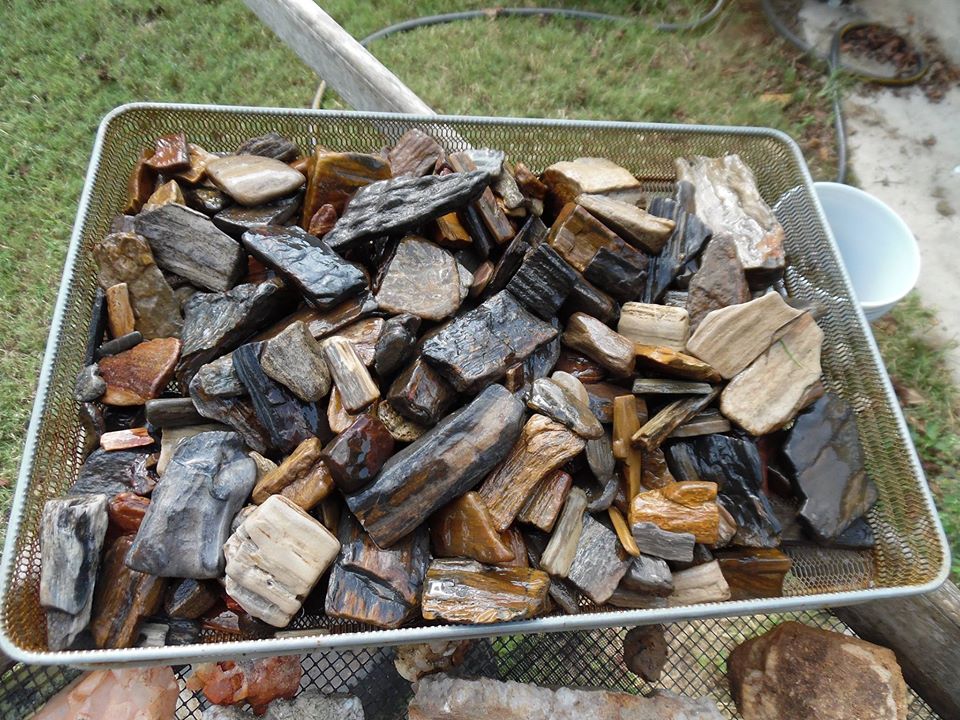
The first stop on our diamond/crystal road trip was actually the Trinity river in Texas where we picked up about 25 pounds of petrified wood. These pieces averaged about 4 inches long.
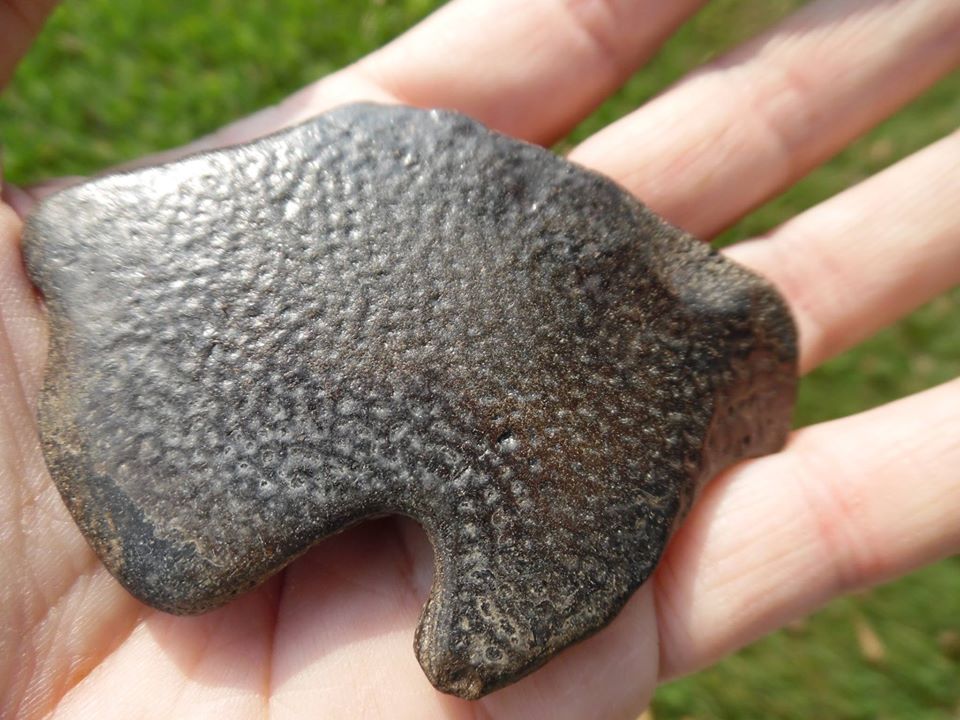
To top off that stop I found a large piece of fossilized soft-shell turtle shell.
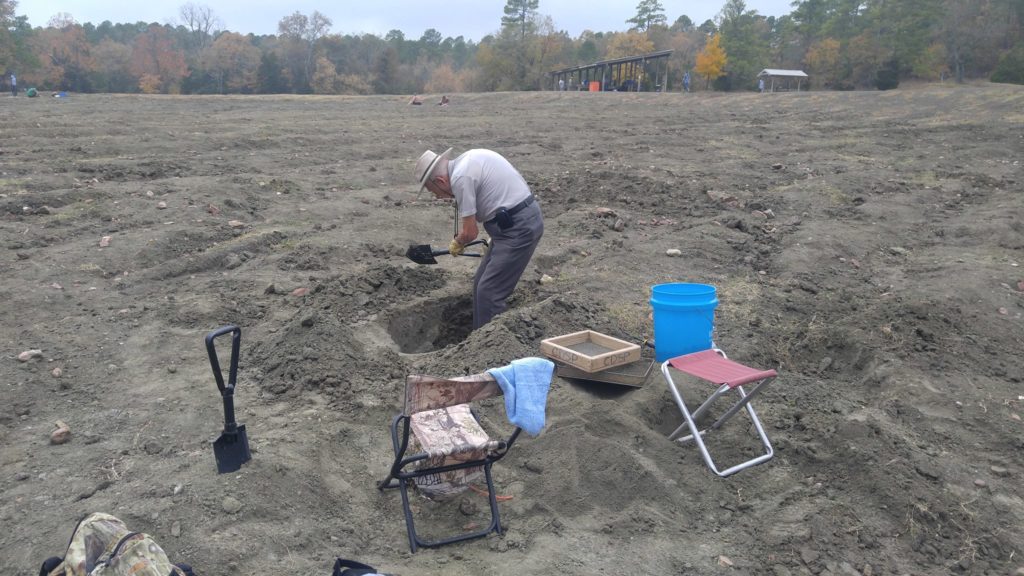
Then it was off the The Crater of Diamonds to try our luck. It turns out that our luck was not that great. Despite digging, sifting and washing a bunch of dirt no diamonds were found.
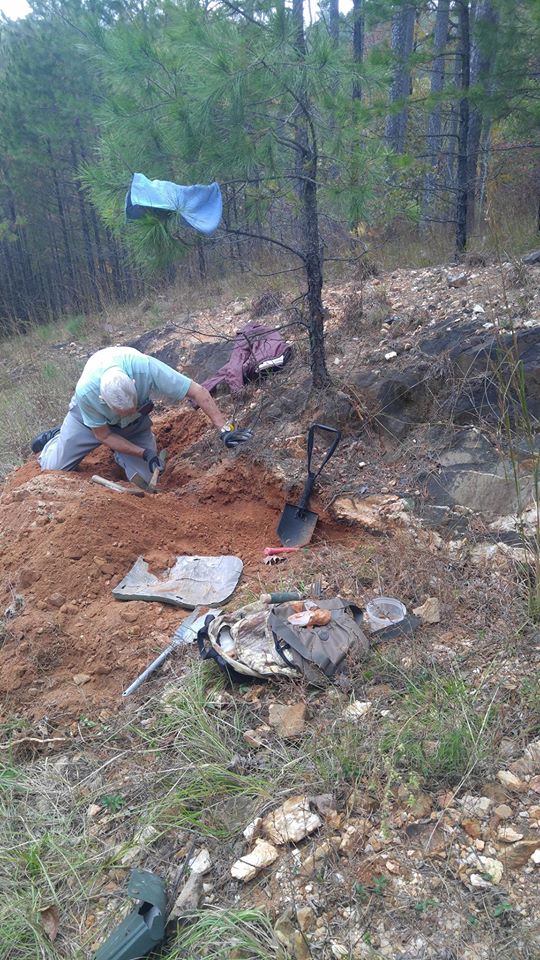
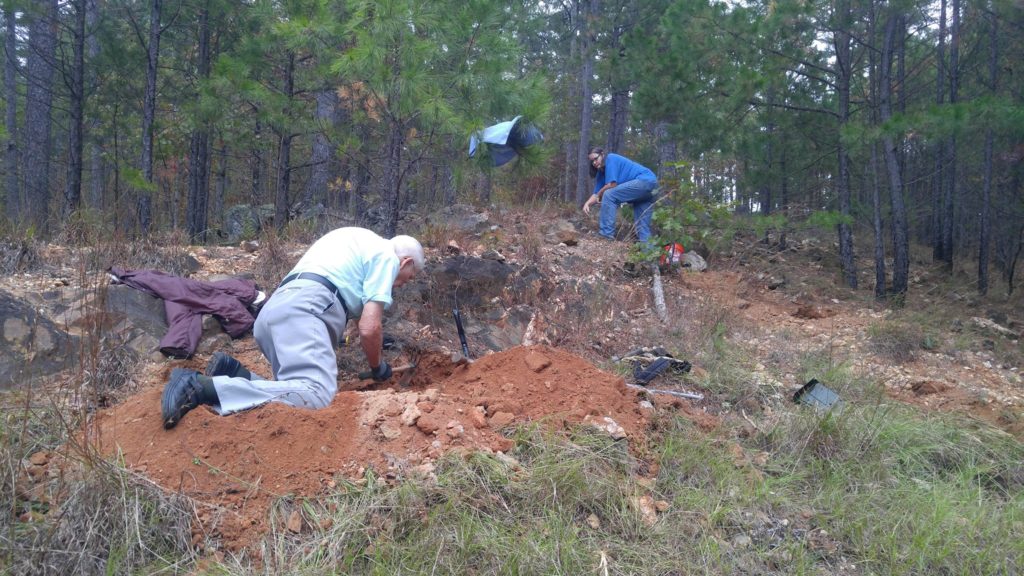
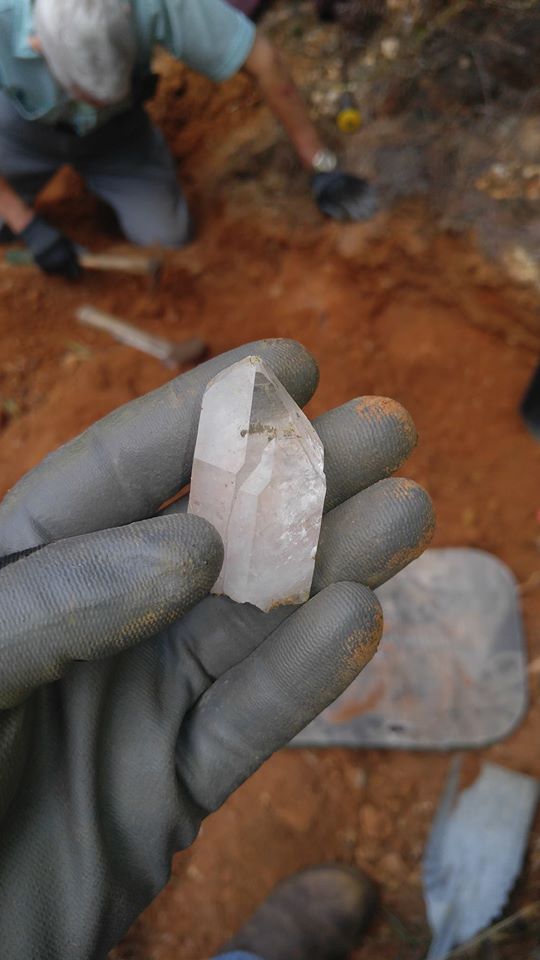
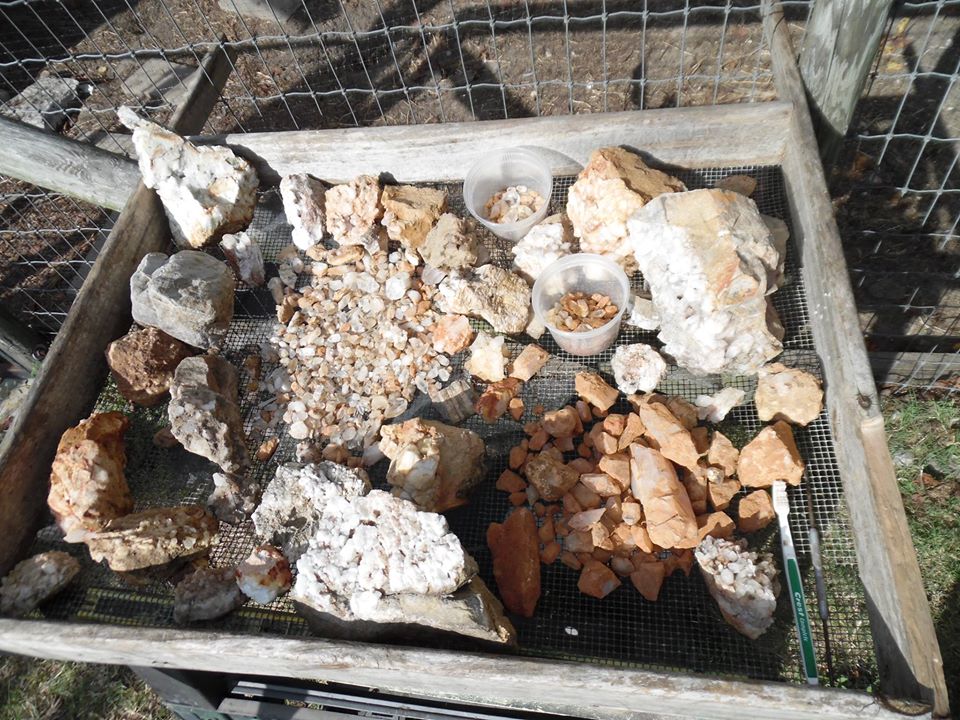
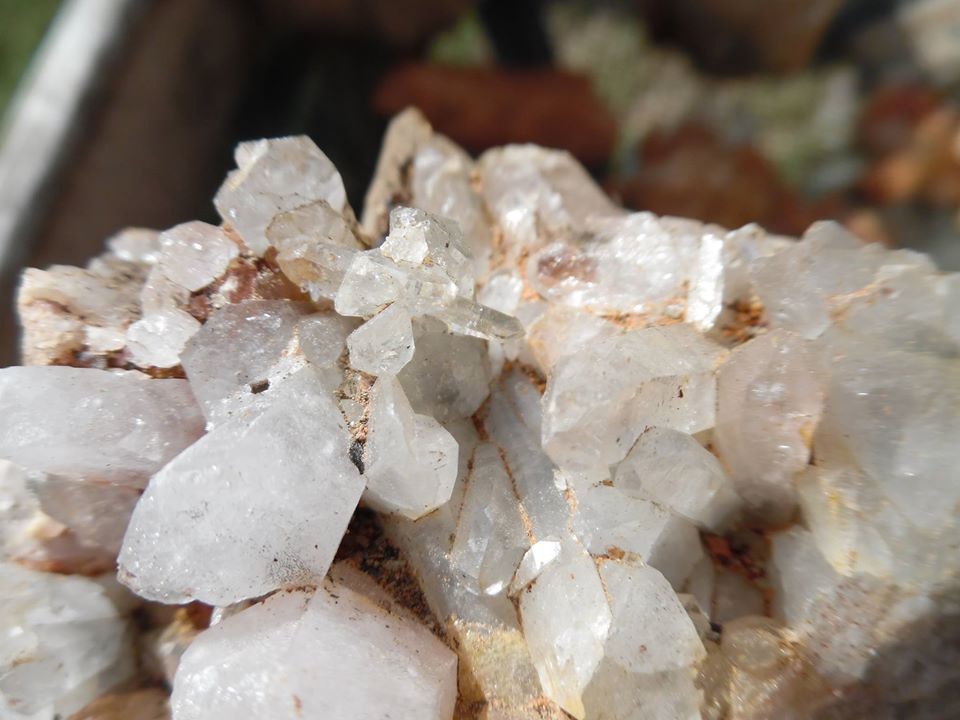
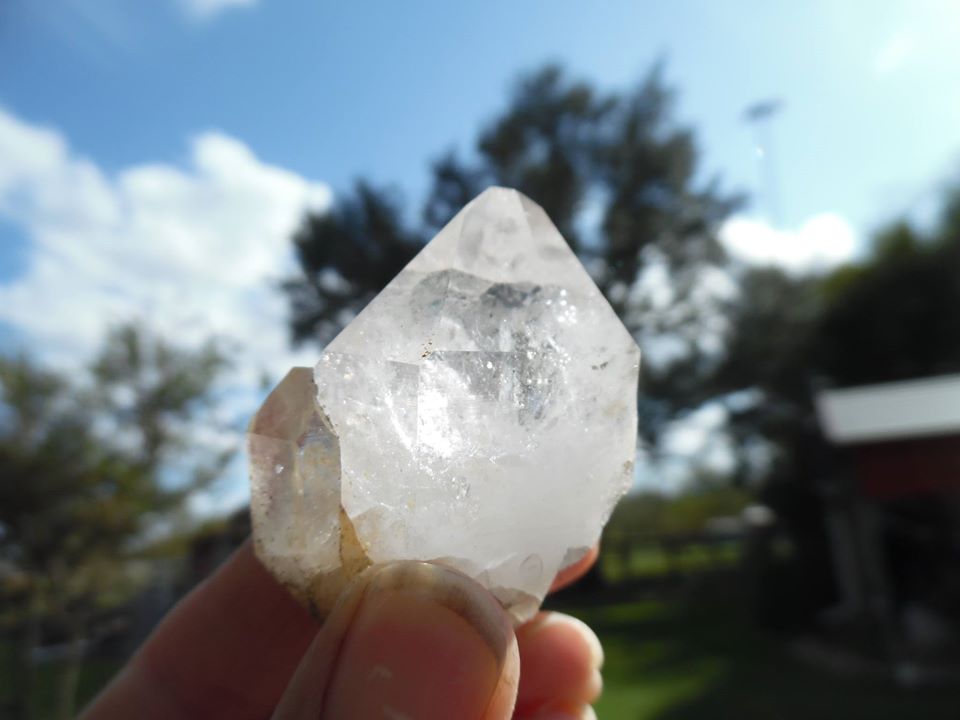
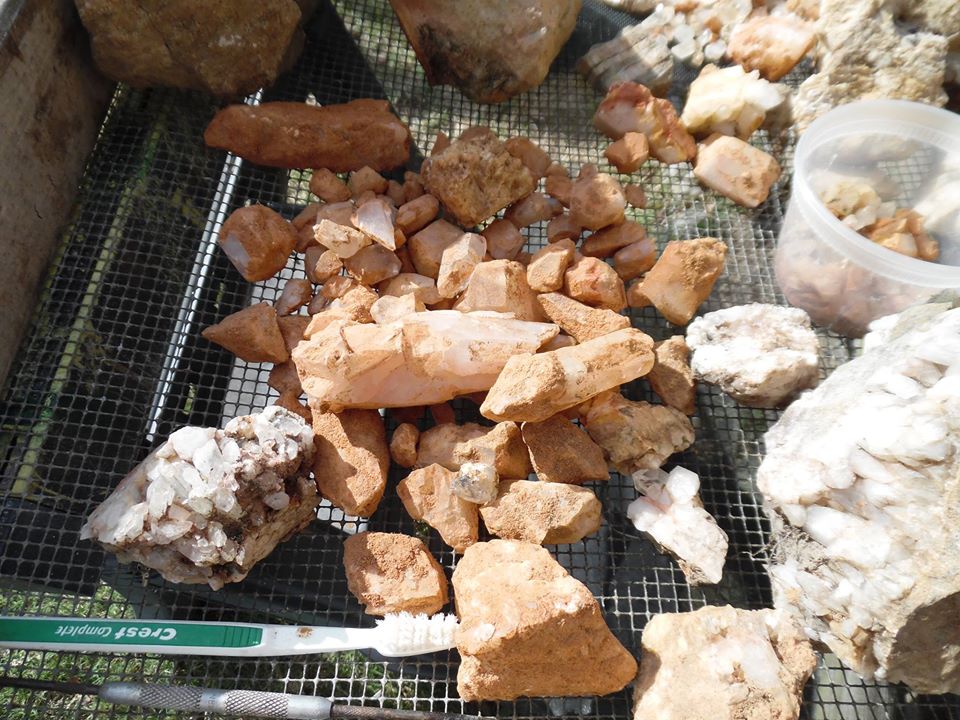
The next day we headed to Mount Ida to do some quartz crystal hunting. Our luck was much better at this. We chose Crystal Seen as the place to do our digging. The mine was primitive and rough. Just the way we like it.